Nederlands
 Français
 Italiano


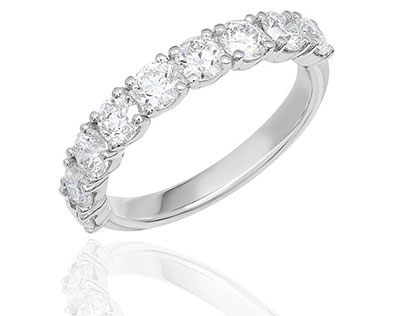

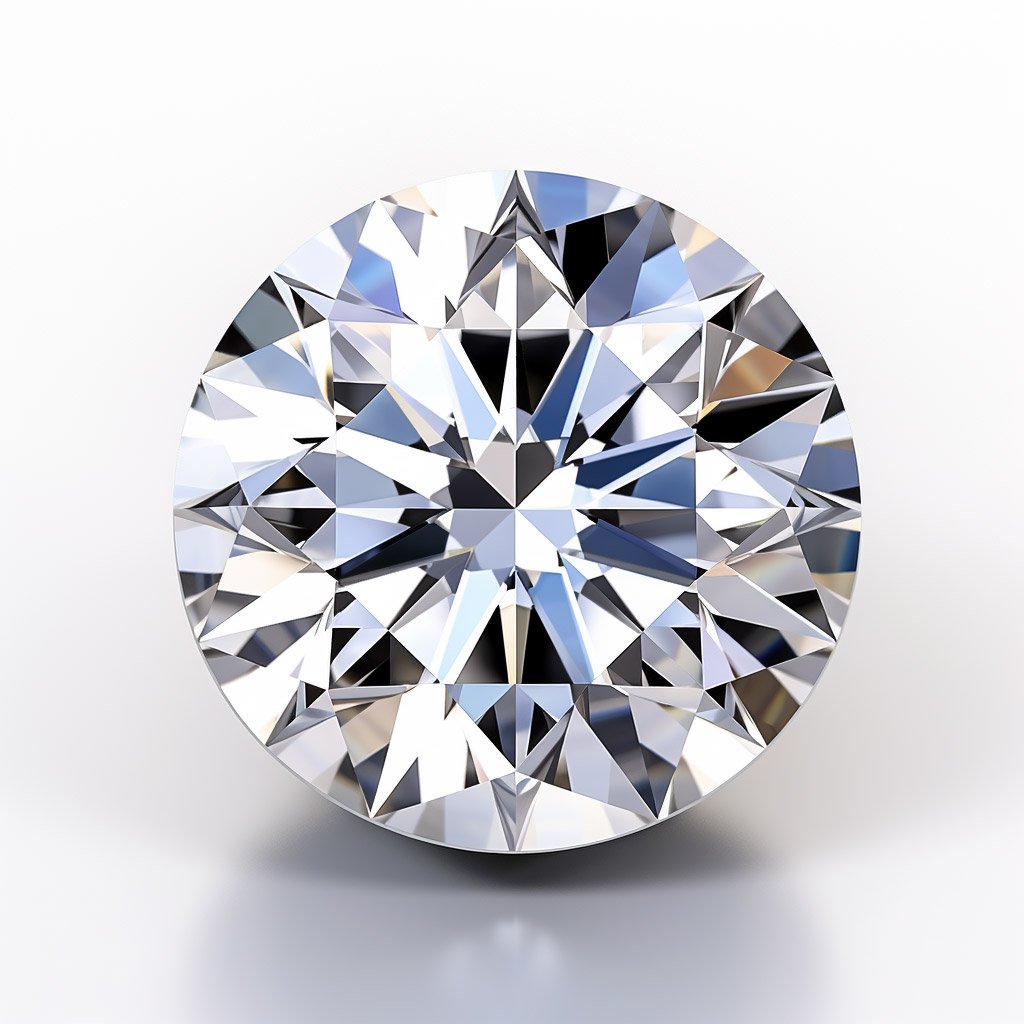



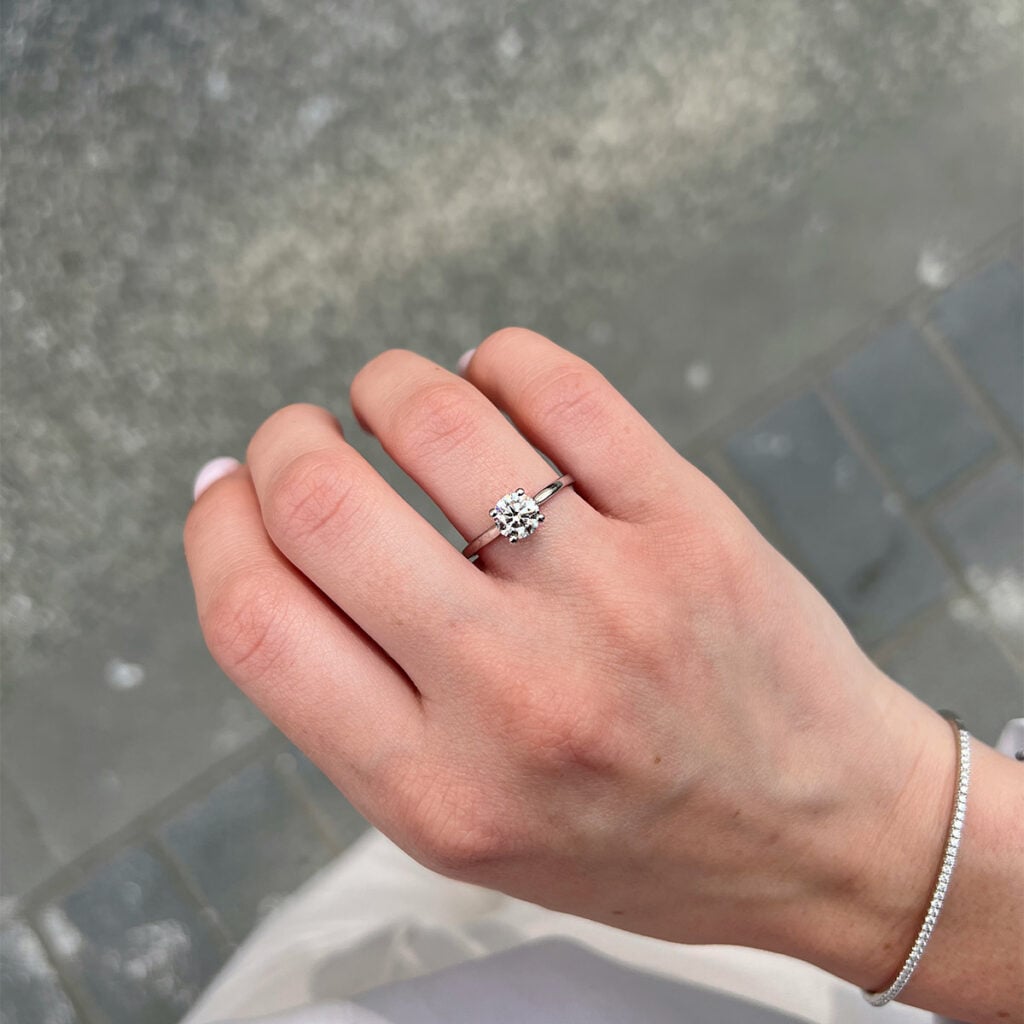
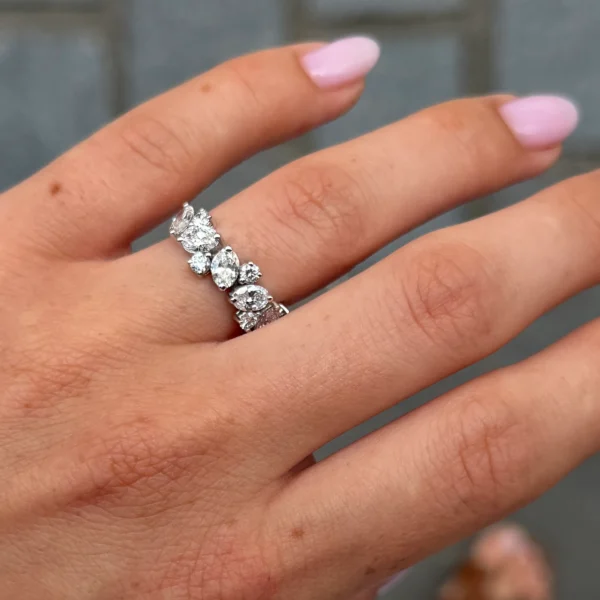
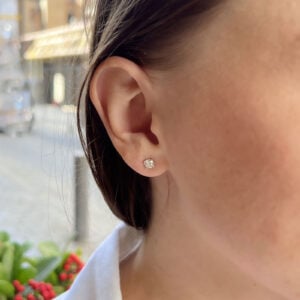
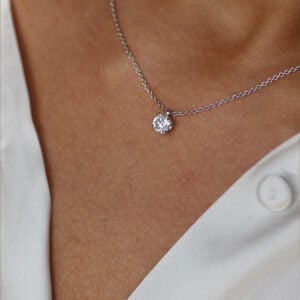
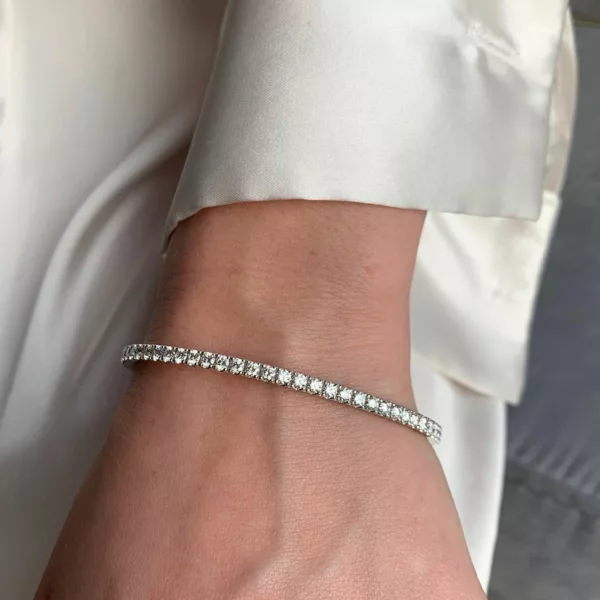

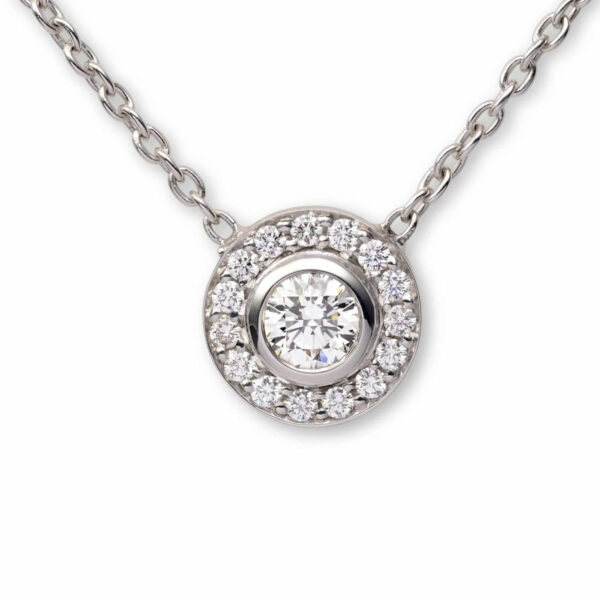
0.30 carats, round brilliant, GIA certified E colour and VVS2 clarity, framed by a cushion-shaped halo holding 0.09 carat of round brilliants in D–F colour. 18K yellow gold. Report 6561105673.
The smaller stone is the more expensive one
We make this pendant in two versions. This one holds 0.30 ct and costs more than the white gold version at 0.32 ct, which holds a marginally larger diamond. That is not a pricing error, and it is the most useful thing on this page.
The difference is the report. The white gold pendant is F SI1; this one is E VVS2 — one grade higher in colour and two higher in clarity. Those three grades cost more than 0.02 carat of weight is worth, and by a clear margin.
So is it worth it? Honestly, it depends what you want from it
What the extra grades do not buy is a visibly better pendant. At 0.30 ct the stone is about 4.3 mm across, seen at conversational distance, set into a halo of smaller diamonds that are themselves throwing light. Under those conditions no eye separates VVS2 from SI1, and no eye separates E from F. Anyone who tells you they can see the difference on a necklace at this size is telling you about the certificate, not about the stone.
What they do buy is position. VVS2 means inclusions are difficult to find even at ten-power magnification — the stone is clean by any standard a laboratory applies, not merely clean enough. E is second on the colour scale. For a buyer who wants the better stone on paper, who may resell or pass it on, or who simply prefers knowing the grades are high rather than adequate, that is a real and defensible thing to pay for.
For a buyer who wants the best-looking pendant for the money, the white gold version is the better buy. We would rather say that than sell the more expensive piece by pretending the difference shows.
Yellow gold and a colourless halo
The halo diamonds are D–F, set in yellow gold. That contrast is the point: warm metal around colourless stones gives maximum separation, so the halo reads as a ring of distinct white points against gold rather than as a continuous bright line. The centre, being larger, holds its own above them.
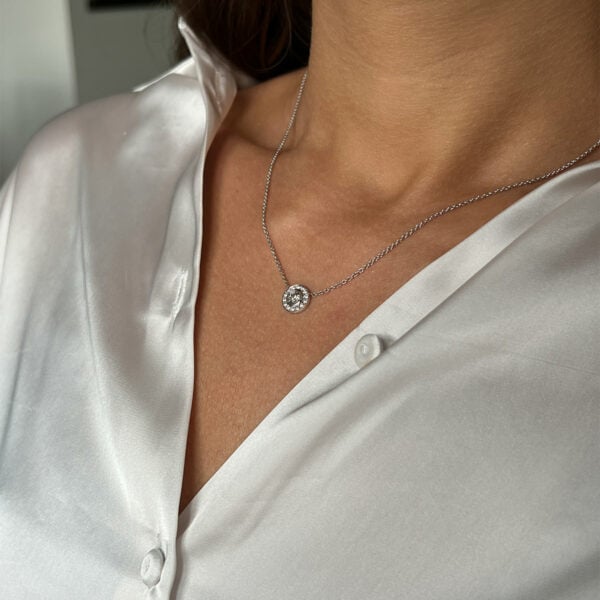
The chain enters the pendant at both sides rather than hanging from a bail, so the head cannot rotate or flip — it sits flat and centred all day.
GIA report 6561105673. 18K yellow gold. Set and finished in Antwerp.