Nederlands
 Français
 Italiano


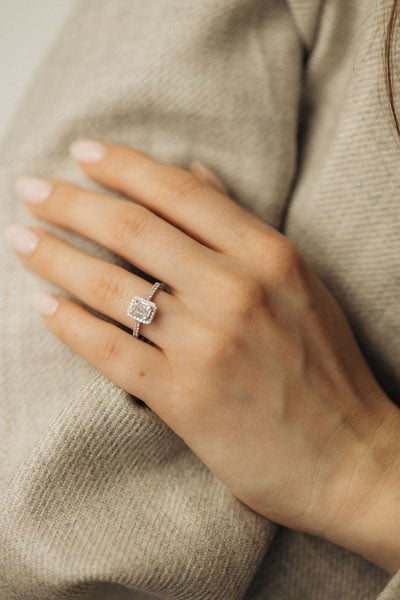

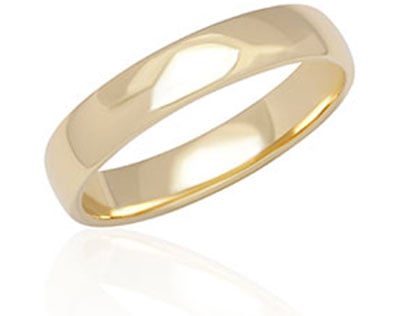
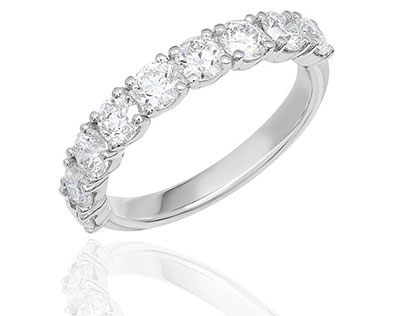

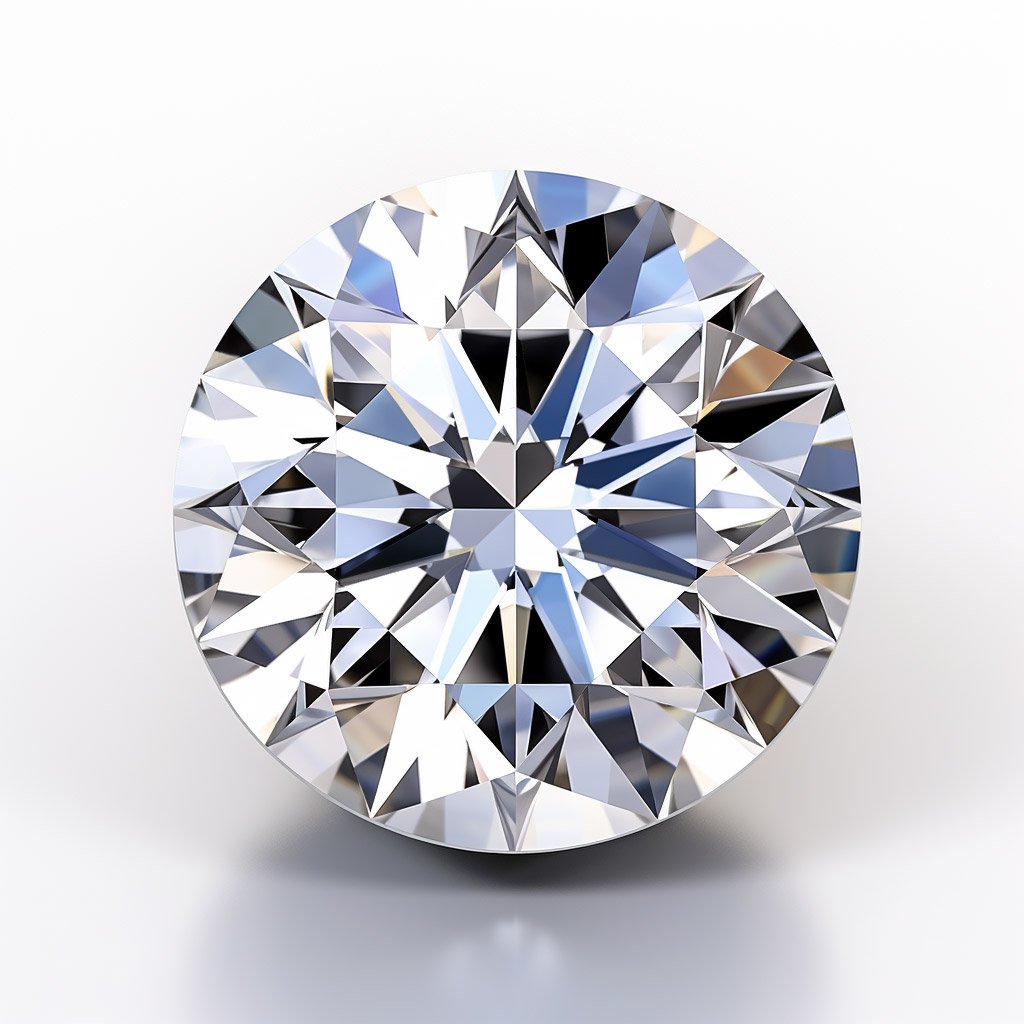



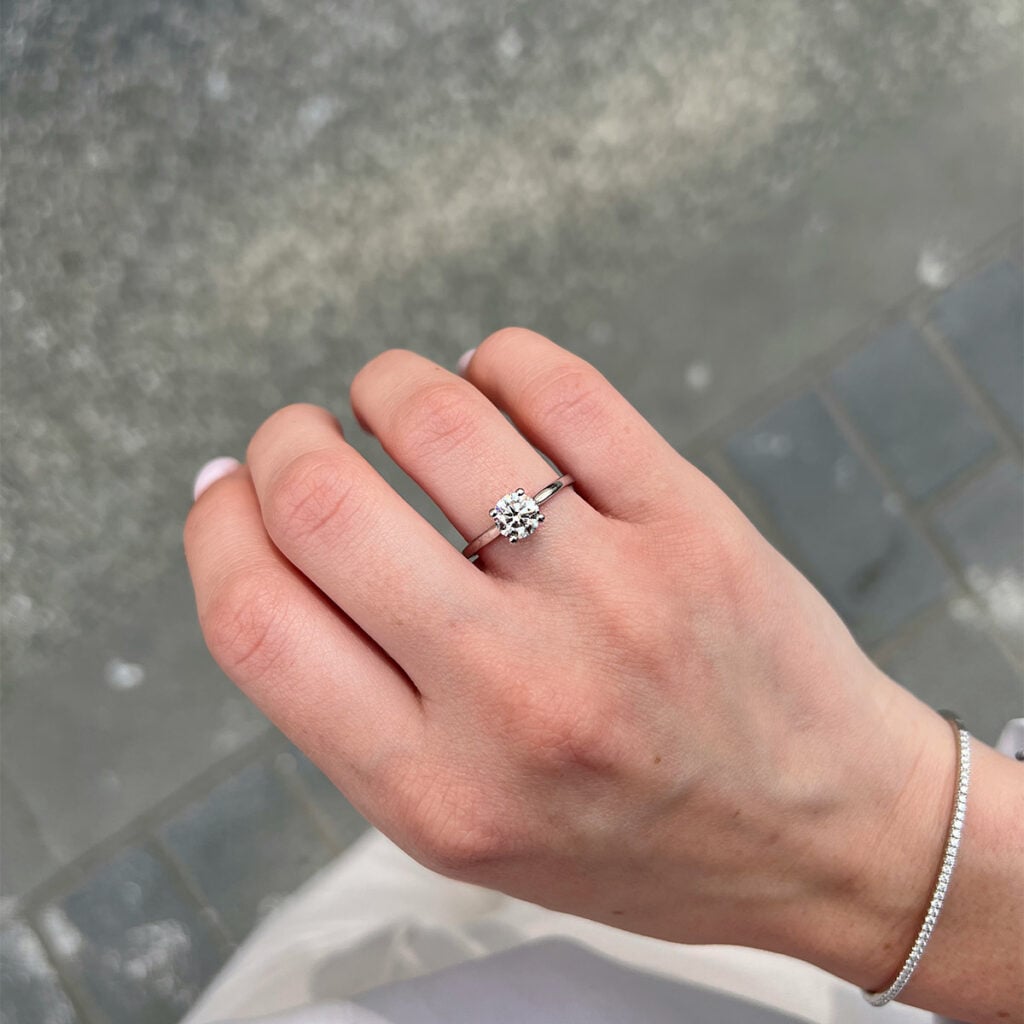


0.50 ct round diamond ring with graduated shoulders, E SI1, GIA certified
A 0.50 carat round brilliant held in six claws, with three graduated round diamonds running down each shoulder, each in its own claws. 0.67 carats in total, on a plain tapered 18K yellow gold band. GIA report 6555225082.
The stones
- Centre: 0.50 ct round brilliant, colour E, clarity SI1
- 5.07 – 5.10 × 3.09 mm, depth 60.8%, table 60%, crown angle 34.5°, pavilion angle 40.8°
- Cut Excellent, polish Excellent, symmetry Excellent, no fluorescence
- GIA 6555225082, laser-inscribed on the girdle
- Shoulders: 0.17 ct total, six round brilliants, D–F colour, VS clarity
- Total diamond weight: 0.67 ct
This diamond has a provenance record
Worth knowing, because very few stones at this size do. Alongside the usual grading results, the GIA report for this diamond carries a Tracr record — Tracr being the industry’s blockchain provenance platform, on which a stone’s journey is registered from rough through planning, cutting and polishing to the finished diamond.
What that record holds is the country the rough came from, an image of the rough crystal the stone was cut from, and the production stages in between, all tied to the inscription number on the girdle. In other words it answers the question that certification alone cannot: not just what this diamond is, but where it came from and what happened to it.
Access to a Tracr record is deliberately restricted and is released by the seller rather than being public, so the record for this stone is closed until it is opened for its buyer. Ask us about it if the provenance matters to you — it is attached to the report, and it stays with the stone.
Graduated shoulders are not pavé
The six stones on the shoulders are set individually, each gripped by its own claws and stepping down in size as they move away from the centre. That is a different thing from pavé, where melee is bead-set in a continuous row, and it behaves differently.
Pavé reads as a surface: a strip of light with no individual stones visible at arm’s length. Claw-set graduated stones read as stones. They are large enough to flash separately, the metal between them lets light in from the sides, and the descending sizes pull the eye inward along the shoulder to the centre instead of spreading it along the band. It is the older and more laborious of the two constructions, and it is why a ring of 0.67 total carats reads as a ring with a centre stone rather than as a sparkly band.
Six claws rather than four
The centre sits in six claws. Six grip a round more securely than four and distribute the pressure around the girdle, which matters on a stone worn daily. They also frame the outline more evenly, so the round reads as a circle rather than being squared off at the corners by four widely spaced claws.
Certification
Supplied with GIA report 6555225082. Read how we source and verify our diamonds.
Made in Antwerp
Made in our own Antwerp workshop and available in any finger size. Insured delivery is free across Europe. Browse the full engagement ring collection, or come and try it at our Vestingstraat showroom.