Nederlands
 Français
 Italiano






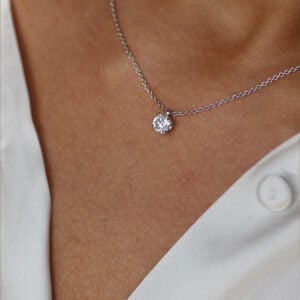
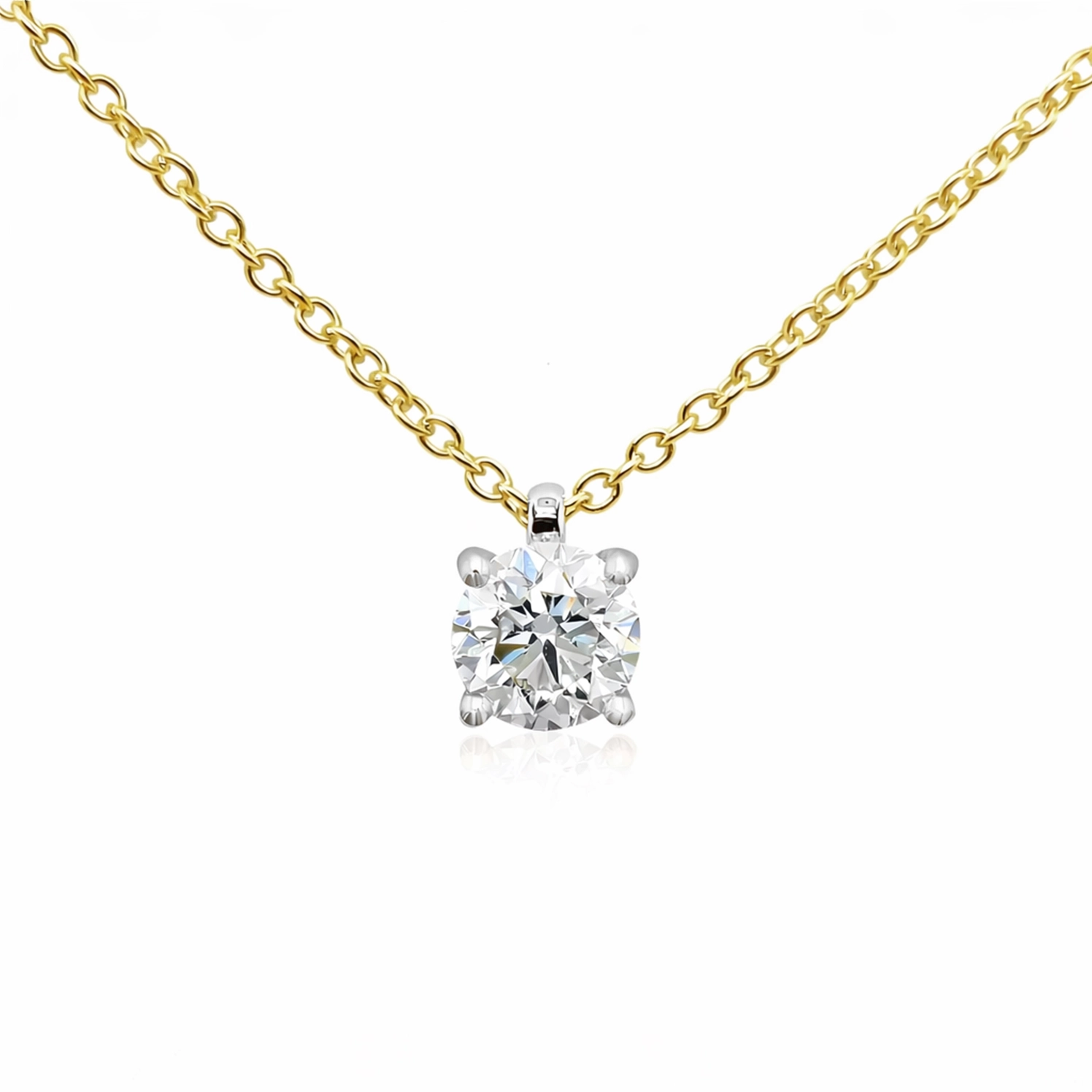
A colourless stone on a warm metal
A solitaire ring is judged against the back of the hand. A solitaire necklace is not: it is read against skin, against a collar, against whatever you happen to be wearing that day. That single difference reorders the priorities. Clarity slips down the list, because nobody inspects a pendant at ten centimetres. Metal colour moves to the top, because the metal is the frame the diamond is seen inside for the entire time it is worn.
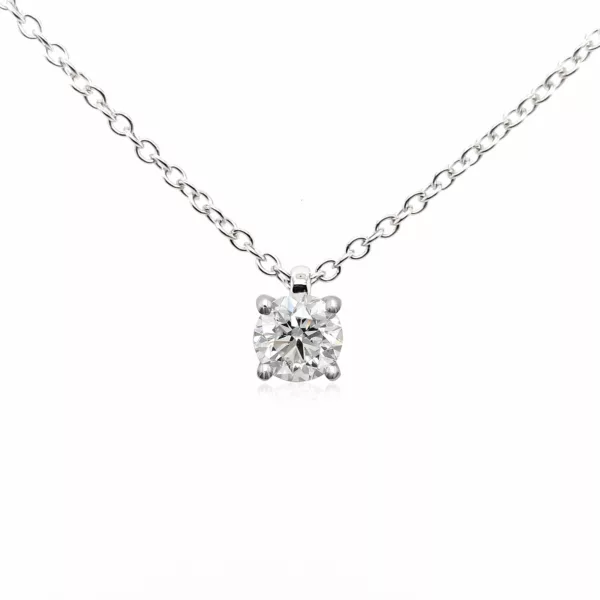
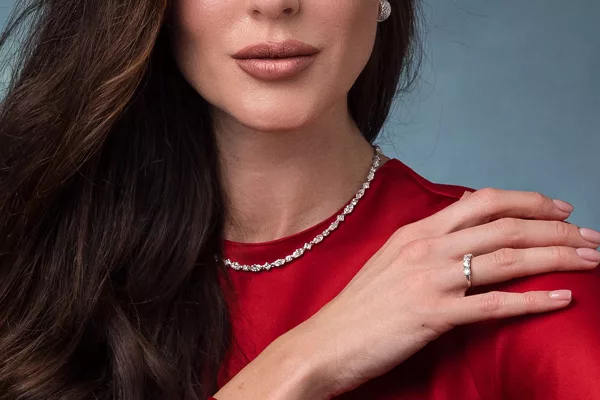
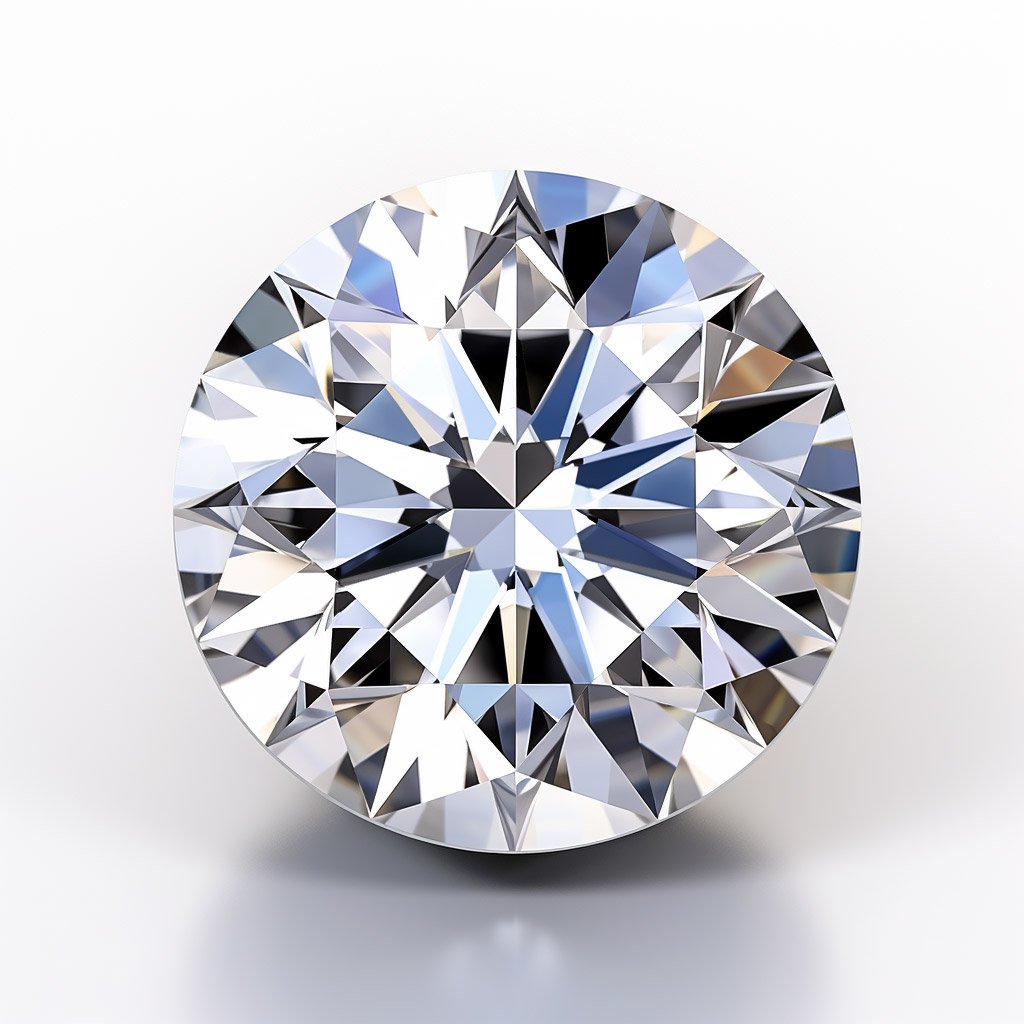
This piece answers that with an 18K yellow gold chain and claw, and a 1.01 carat round brilliant graded D colour and VVS2 clarity by IGI. Warm frame, cold stone. The contrast is the point.
Why yellow gold does not tint a D-colour diamond
It is a fair worry, and the answer is geometrical. A diamond only borrows colour from metal it is actually in contact with. Here the stone is held by four slender claws that grip the girdle at four points and nothing else; the pavilion hangs open to the air on every side. There is no cup, no bezel, no closed back for gold to bounce off. What reaches the pavilion facets is the room, not the mounting — so a D stone in yellow gold still returns white light, with the gold reading as a warm outline around it rather than a wash through it.
The practical consequence is that you can buy the top colour grade and still wear yellow gold without cancelling out what you paid for.
The diamond
- Weight: 1.01 ct
- Colour: D — the highest grade on the scale
- Clarity: VVS2
- Cut: round brilliant, 57/58 facets
- Origin: laboratory grown
- Certificate: IGI LG823694443
- Mount: 18K yellow gold, four-claw pendant setting on a matching yellow gold chain
How a one-carat pendant actually wears
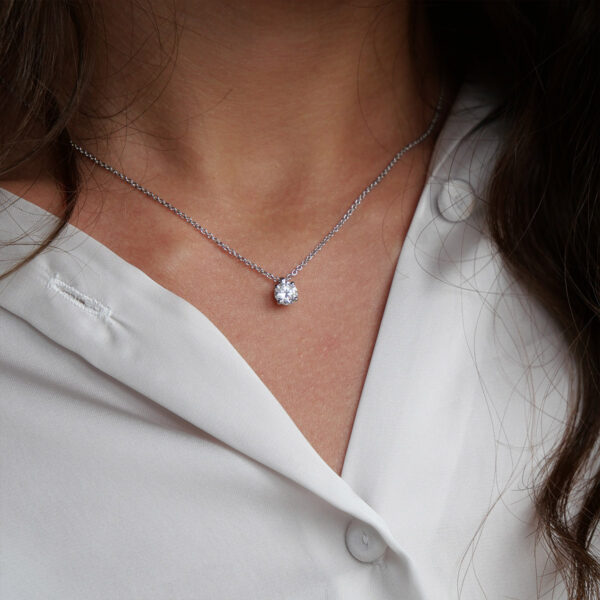
A 1.01 ct round brilliant measures roughly 6.4 mm across the table. On the chest that reads as clearly present without becoming a statement — visible across a table at dinner, invisible under a shirt collar. Because the stone swings freely rather than sitting rigid on a finger, it is caught by overhead light from constantly changing angles, which is why pendant diamonds tend to flash more often through a day than ring diamonds do.
Laboratory grown, certified by IGI
The stone is chemically, optically and physically diamond; it was grown rather than mined. IGI is the laboratory that grades the overwhelming majority of the world’s laboratory-grown goods, and when one of our lab-grown diamonds is certified, the report is always IGI’s — we do not offer GIA-certified lab-grown diamonds. The report number is laser-inscribed on the girdle and can be checked against IGI’s own database before you buy.
The same necklace in white gold
If a cool frame suits you better, the identical model exists as a 1.02 ct D VVS1 solitaire necklace in 18K white gold. Both sit at the same price; the choice between them is metal, not quality. The rest of the family is in lab-grown diamond necklaces.
Buying from Antwerp
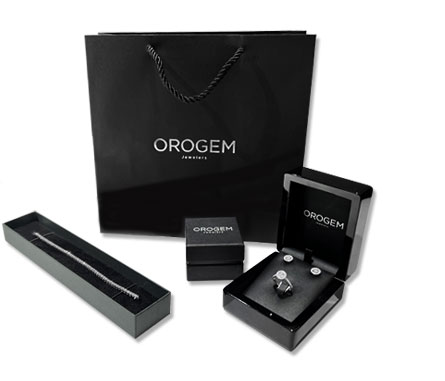
The piece is in stock at our Antwerp workshop, in the diamond district where the trade has run for five centuries. It ships insured, in its presentation box, with the IGI report.