Nederlands
 Français
 Italiano

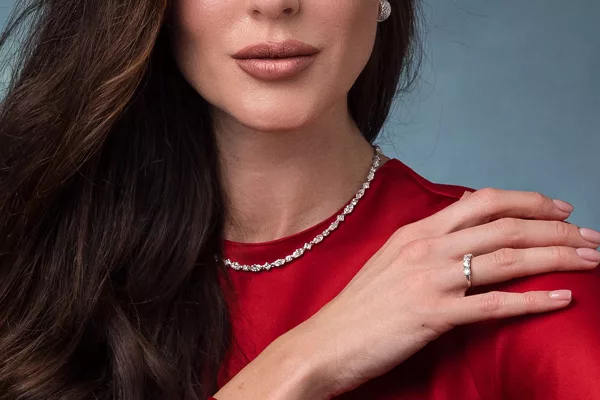
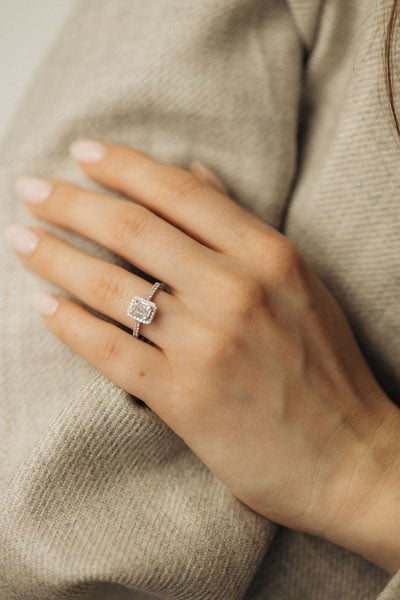
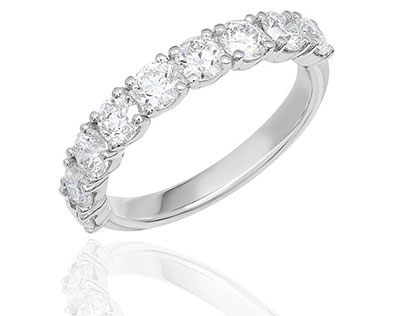

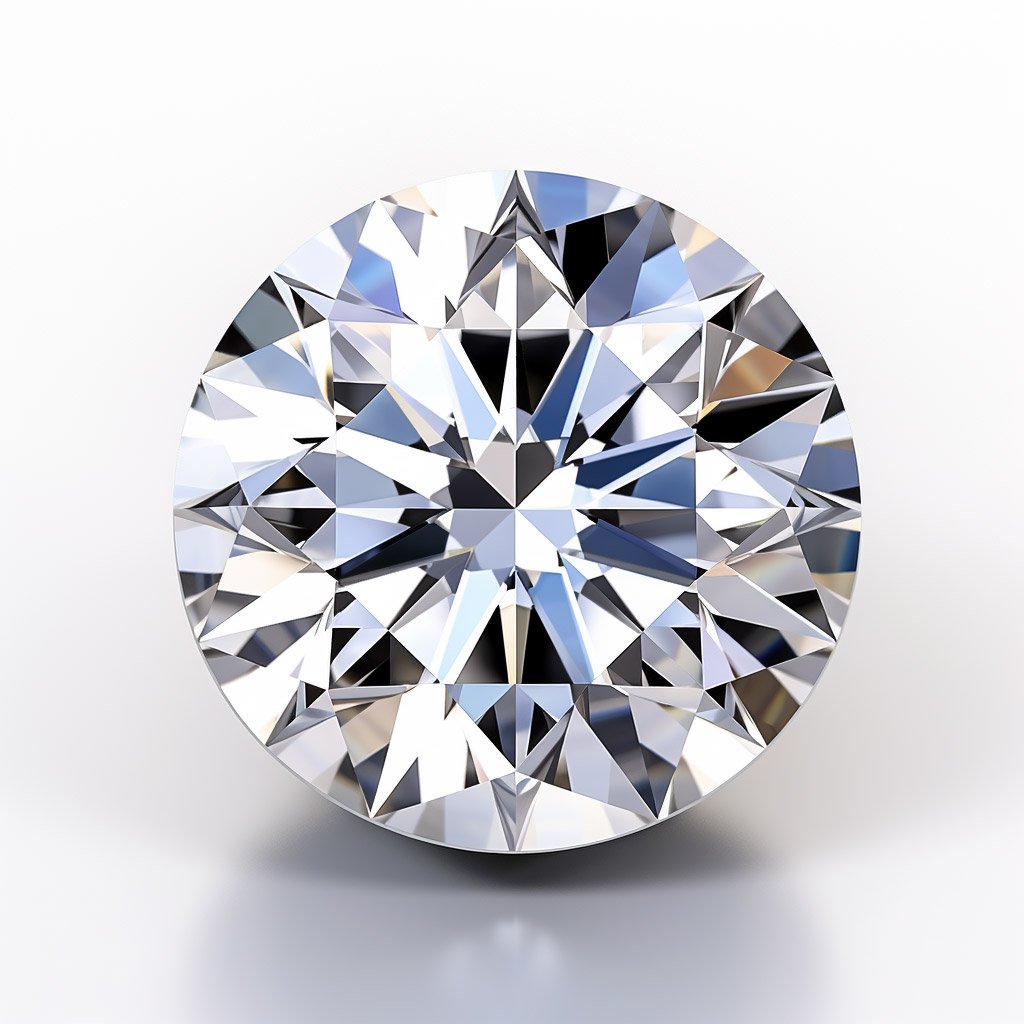



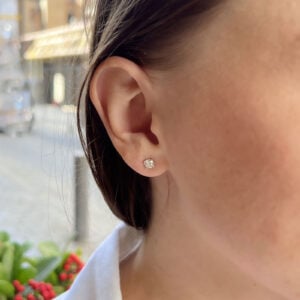
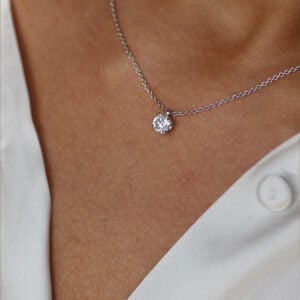
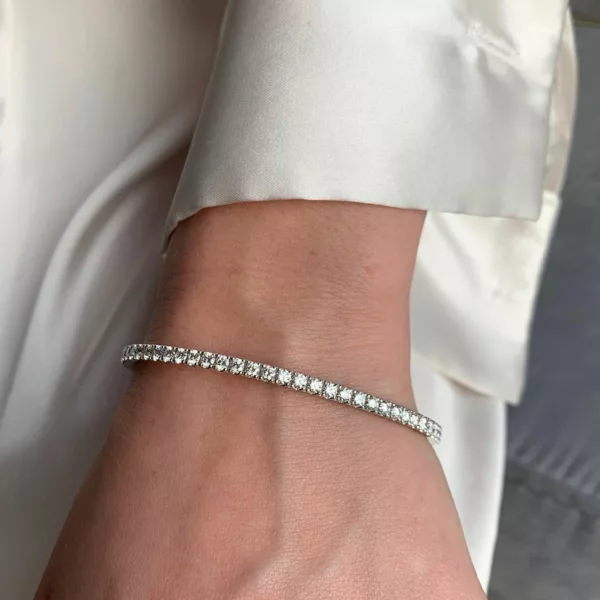


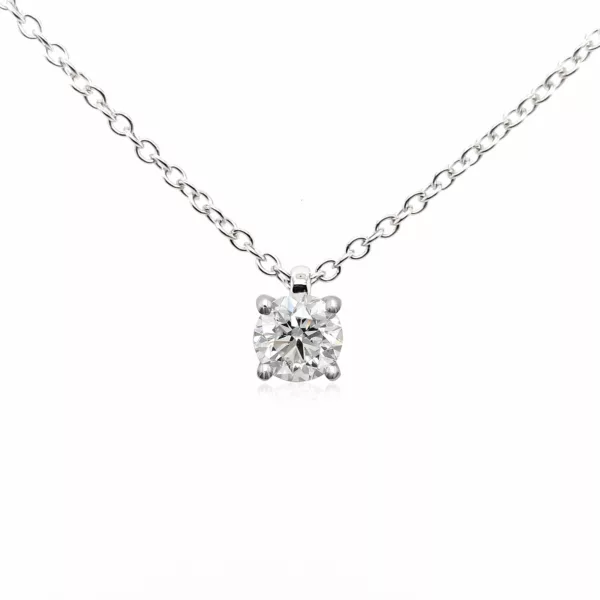
A 1.03 carat D VVS1 solitaire in white gold
Two grades sit at the top of the diamond scale and almost nobody can explain what separates them. This necklace carries a lab-grown brilliant of 1.03 carat, certified by IGI as colour D and clarity VVS1, set in a four-claw pendant in 18K white gold on a matching chain. It is worth knowing exactly what that VVS1 buys you — and what it does not.
What VVS1 actually means
VVS stands for very, very slightly included. Both VVS1 and VVS2 stones contain inclusions so small that a trained grader needs ten times magnification and good light to find them at all. The line between the two grades is not about size but about where the grader has to look: in VVS2 the feature can be located while viewing the stone from the crown, the top; in VVS1 it is detectable only from the pavilion, or lies so hidden that the grader has to hunt for it.
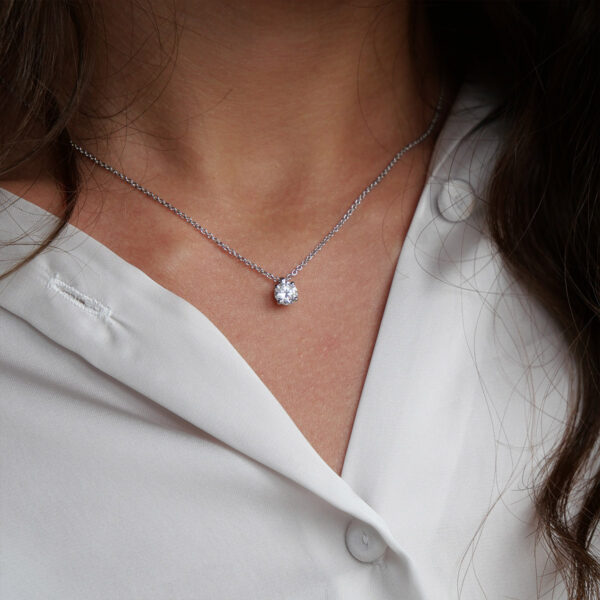
That is the whole difference. It is a statement about the difficulty of a laboratory operation, not about anything a wearer will ever see. At the distance a necklace is worn — sixty centimetres from somebody else’s eyes — there is no visible distinction between VVS1, VVS2 and VS1.
So why mention it? Because it is on the certificate and it moves the price. You should know what you are paying for. In mined diamond that is a reason to think hard about it; in lab-grown diamond the premium on the top grades has become small enough that stepping down is not worth the saving.
Why white gold suits the highest colour grades
Colour D is the top of the scale: completely colourless. Yellow gold reflects warmth into the stone and makes a D read slightly warmer than it is — lovely, but you are then paying for a grade you partly give away. White metal does the opposite: it leaves nothing in the stone and shows the colourlessness you paid for. At D, white gold is the consistent choice.
The diamond
1.03 carat, round brilliant cut, held in four claws so light enters from every side. The round brilliant is the only cut that was designed mathematically rather than grown out of tradition, and it remains the most forgiving: no bow-tie, no preferred angle, no position in which it looks worse.
Lab grown, certified by IGI
Crystallised carbon, hardness 10, chemically and optically identical to mined diamond — grown in a laboratory instead of dug up. IGI report LG803644376. The LG prefix is IGI’s designation for laboratory-grown; the report states the origin explicitly and grades colour, clarity, cut quality and carat on the same scales used for mined stones.
The same necklace in yellow gold
If you would rather wear warm metal, we have the same solitaire necklace at 1.01 carat in 18K yellow gold, there at clarity VVS2. See the paragraph above on what that one grade means in practice — and read alongside it that yellow gold and colour D suit each other less well than yellow gold and a grade below.
Buying in Antwerp
In stock in our Antwerp shop. Insured delivery is free throughout Europe. Come and see it first if you like — at the neck, in ordinary daylight, not under window lighting.