Nederlands
 Français
 Italiano
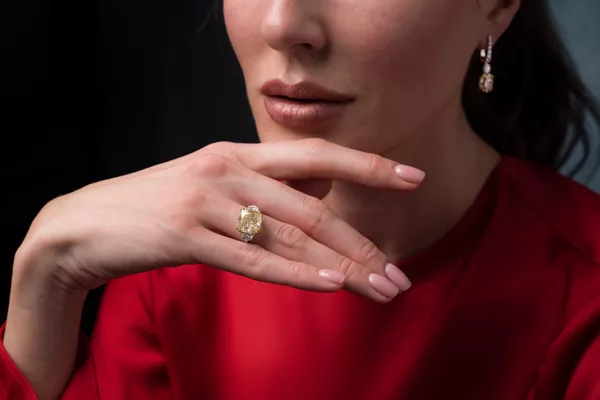

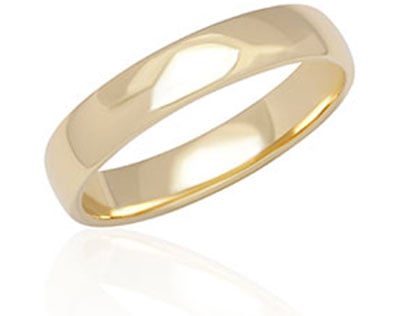
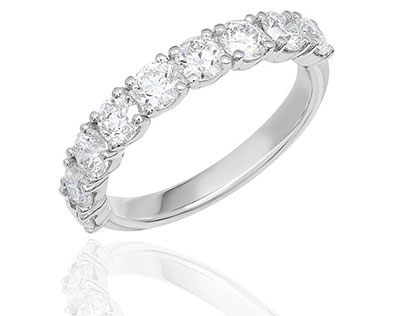

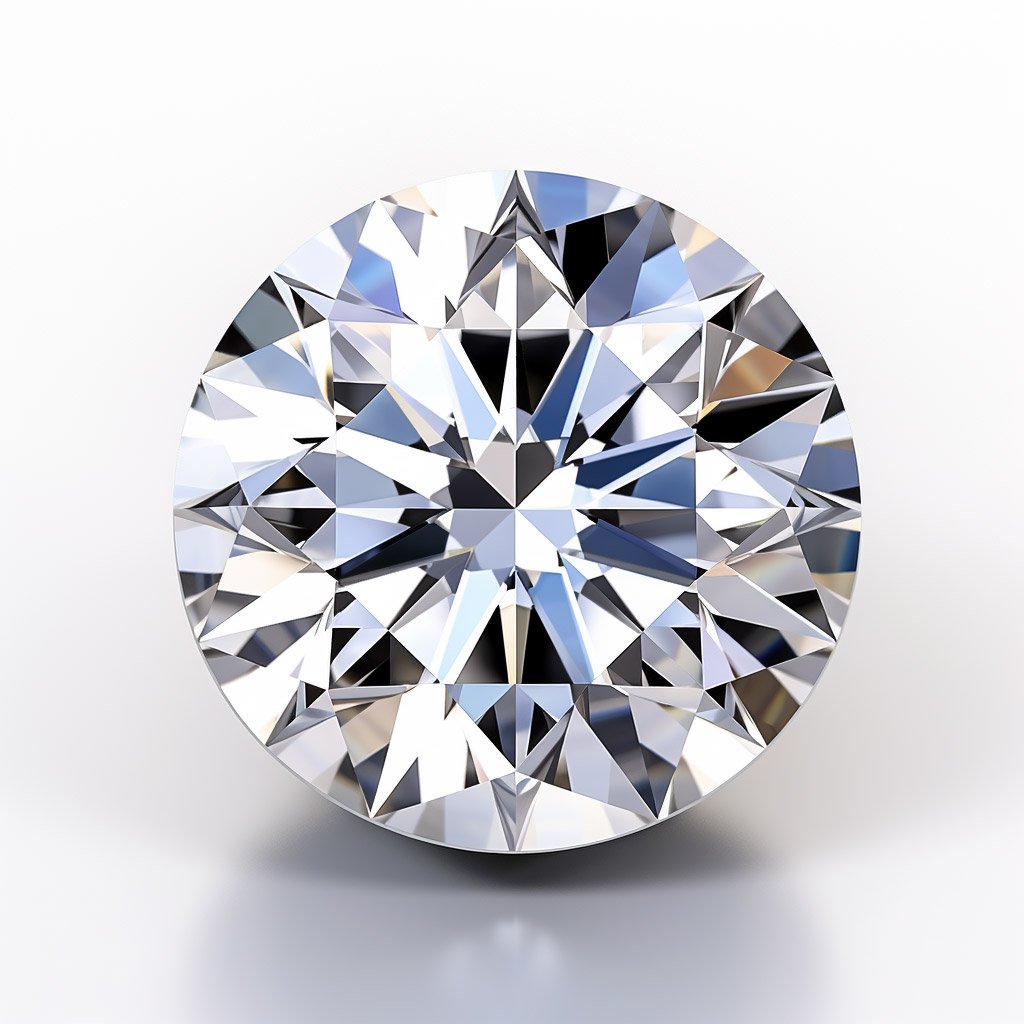


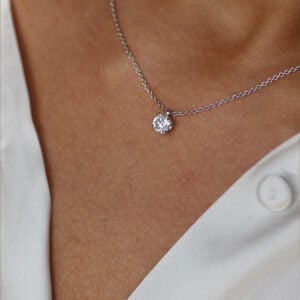
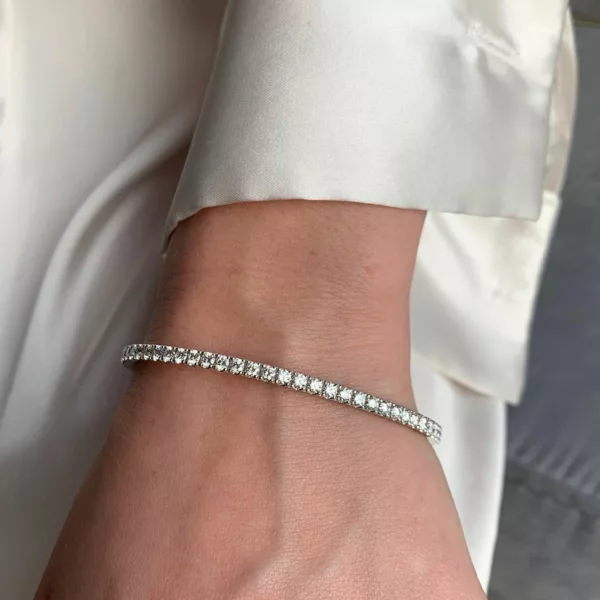

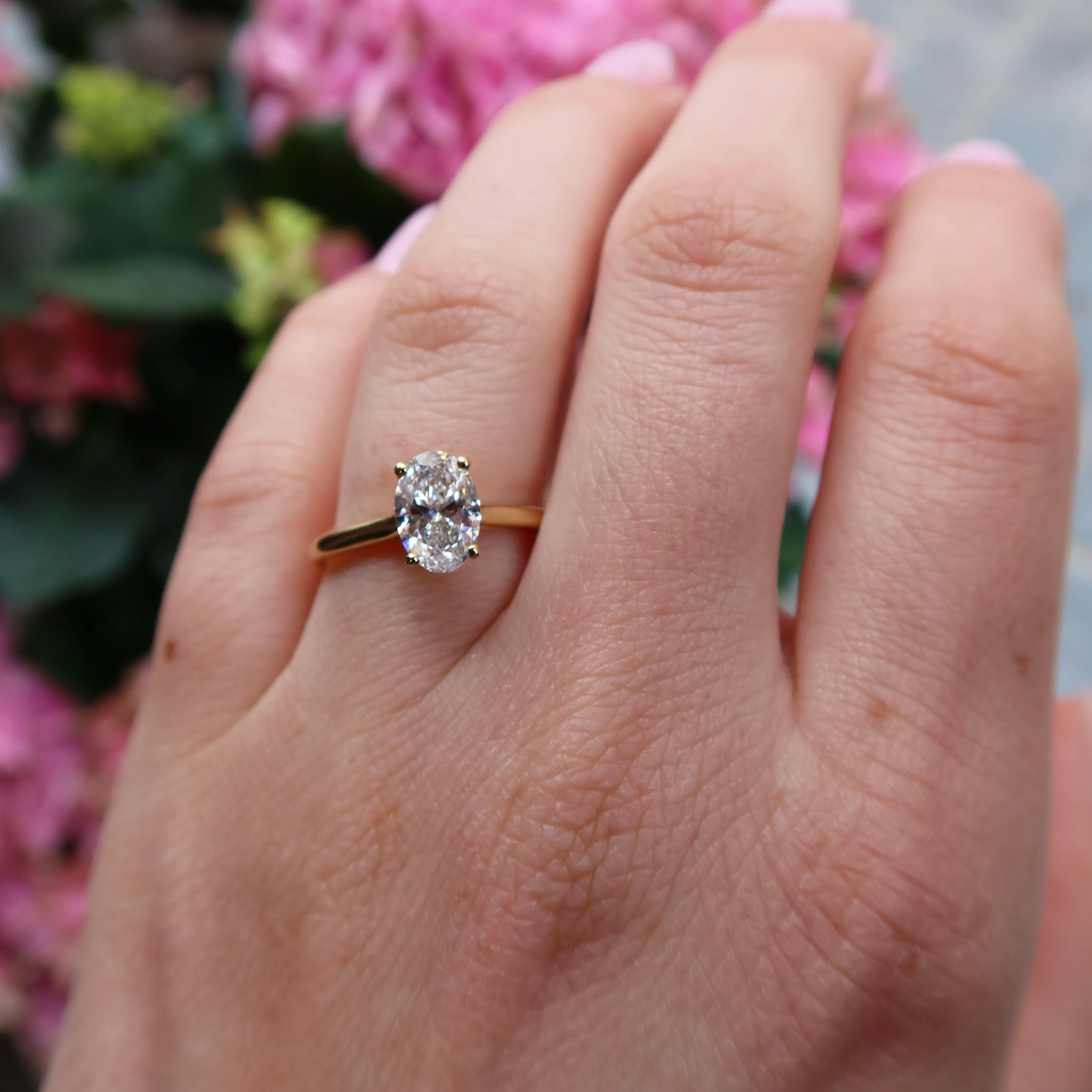

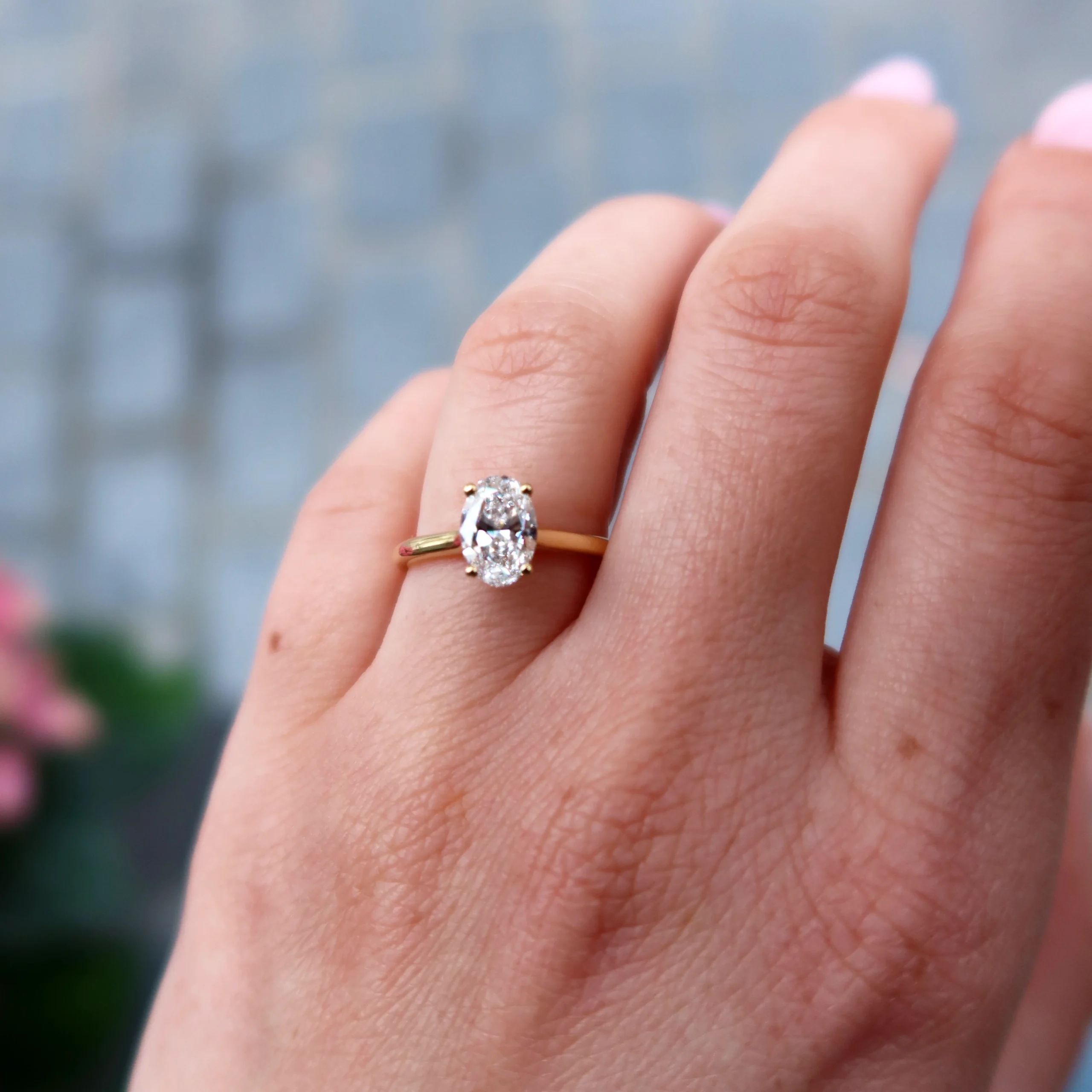

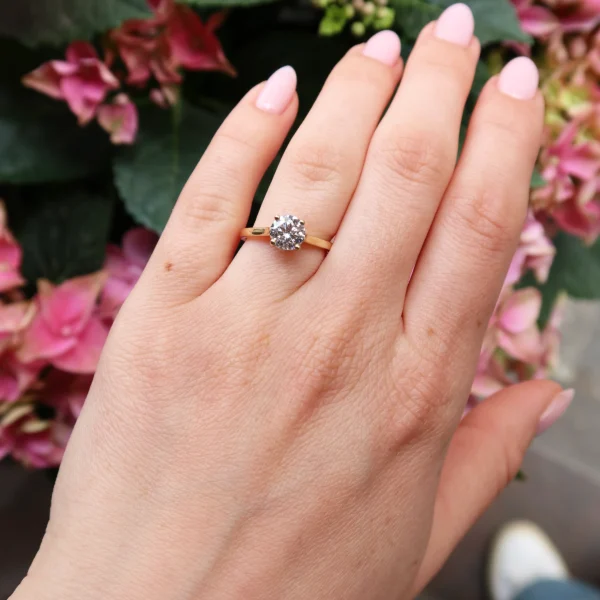
1.09 ct oval lab grown diamond solitaire, D VVS1, 18K yellow gold
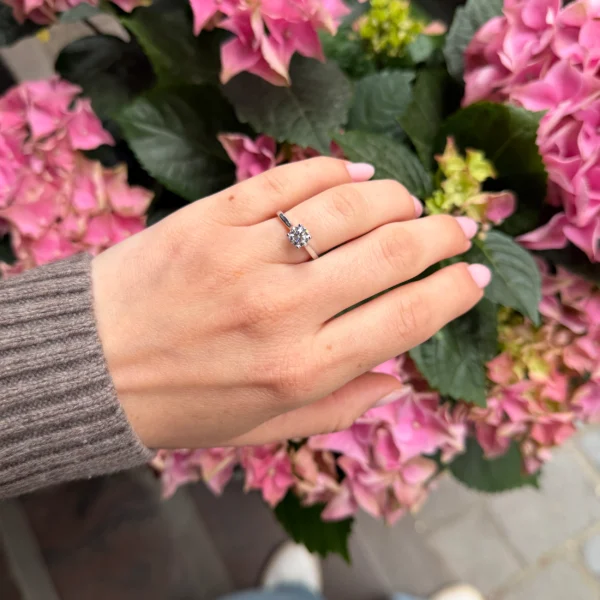
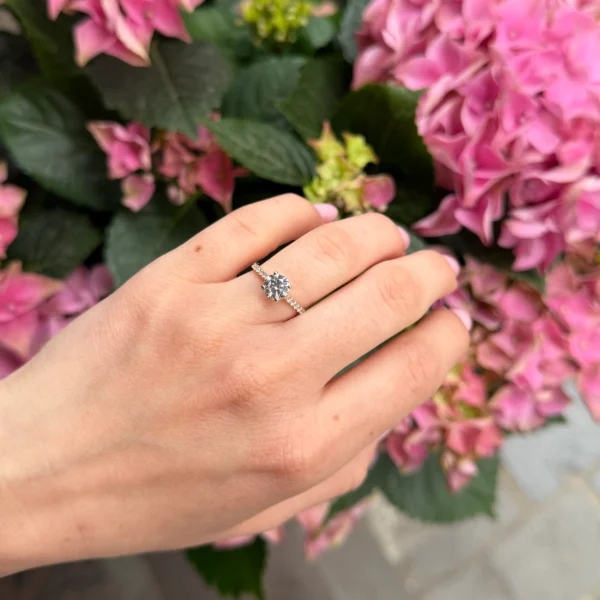
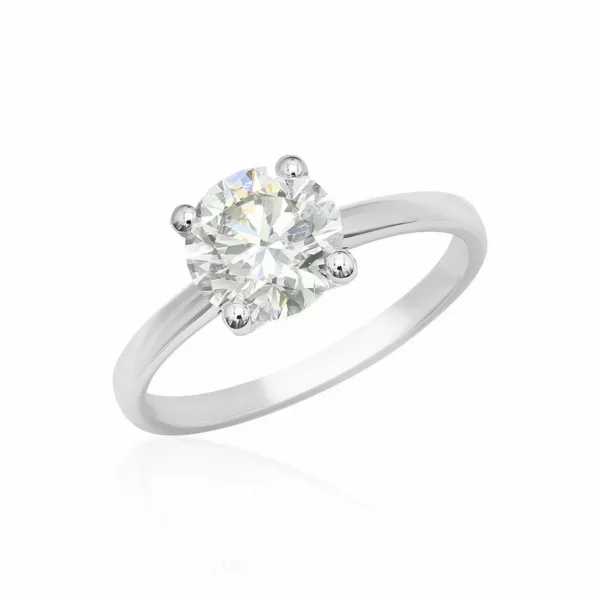
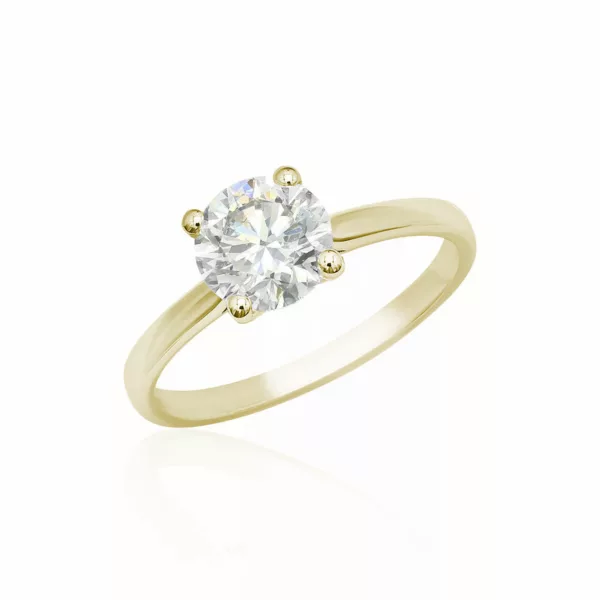
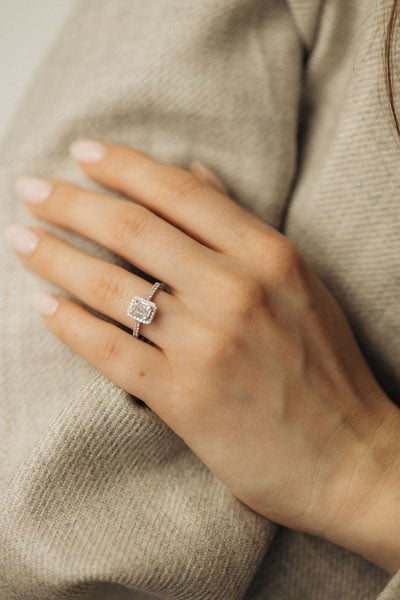
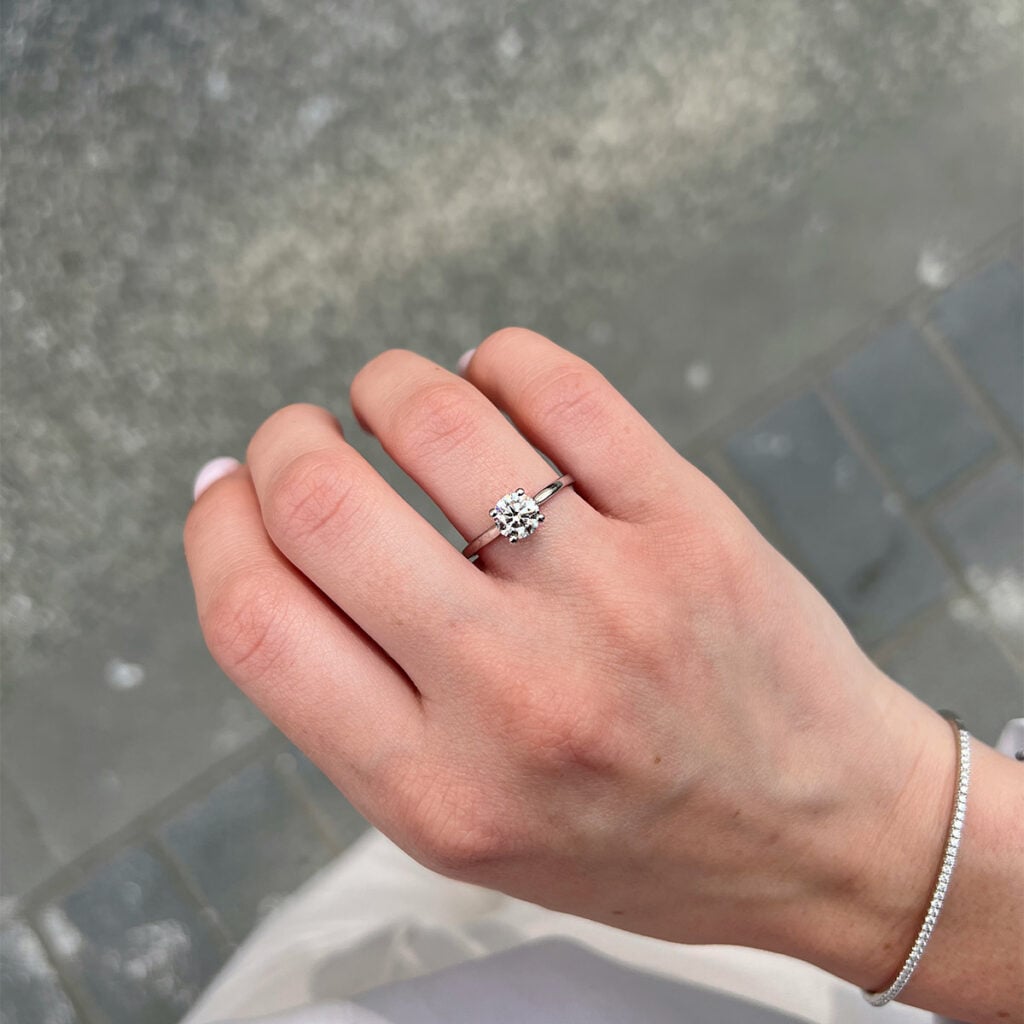
A single oval-cut laboratory-grown diamond of 1.09 carat, colour D, clarity VVS1, IGI report LG784606402, held in four claws on a plain 18K yellow gold band.
We hold two of this stone. This one is IGI LG784606402; its twin, LG801680886, is here — same weight, same grades, same setting. Grown diamonds make a true match possible, and that page explains why mined ones rarely do.
You buy an oval for its length. Everything here protects that.
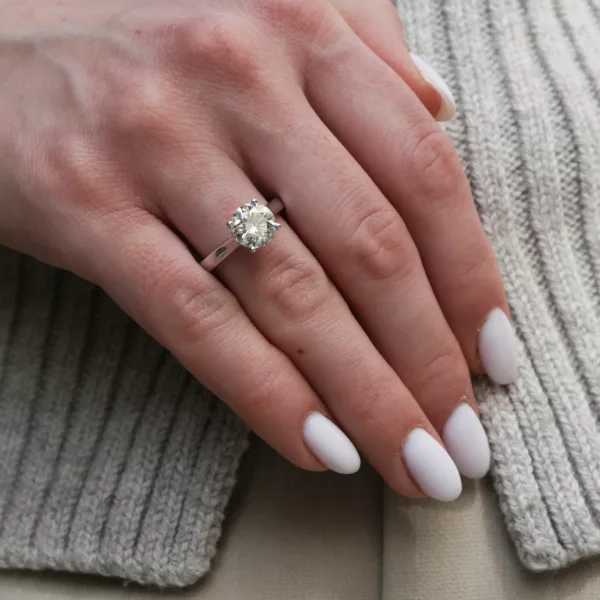
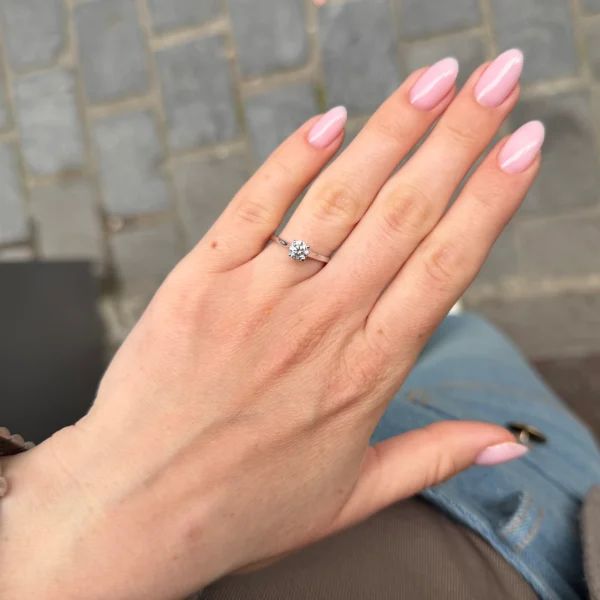
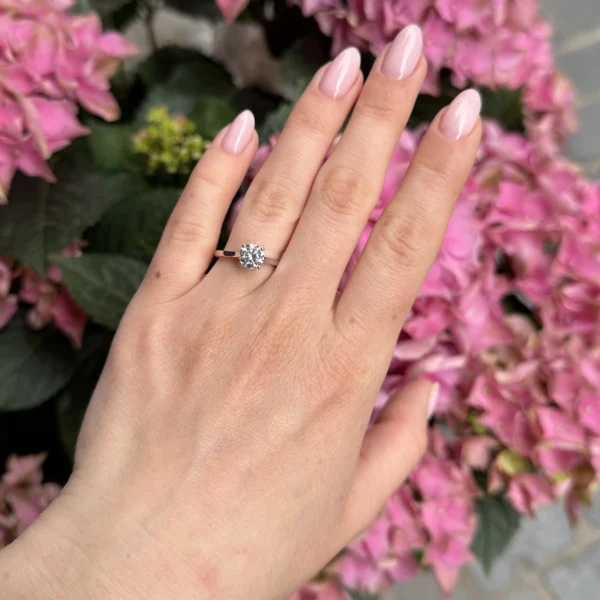
This is the only real reason to choose an oval over a round, and it is worth being precise about it. Take the same 1.09 carat of diamond and cut it round: you get a circle roughly 6.6 mm across. Cut it oval and the same weight stretches to something close to 7.5–8 mm along its long axis. No extra diamond, no extra money — the weight is simply distributed along a line instead of packed into a circle. That extra length reads on the hand as a longer, narrower finger, and it is the entire argument for the shape.
Which means every decision in the setting should be judged by one question: does it keep the length visible, or does it eat into it? Here, three do the former.
- The stone is set north–south. The long axis runs along the finger rather than across it. An oval set east–west is a perfectly good design, but it is a different one — it widens the hand instead of lengthening it, and it gives up the thing you paid for.
- The claws grip the flanks, not the tips. Look at the top view: the four claws sit at the curved sides, and both ends of the oval are left completely clear. A claw at the point would be the single most visible piece of metal on the ring, and it would visually chop the stone short at exactly the place where its length is established.
- The band is slim and plain. A narrow shank makes the stone above it read wider and longer. A thick band, or one crowded with side stones, competes with the outline instead of framing it.
One honest consequence of leaving the tips unclawed: the ends of an oval are where the girdle is thinnest, so they are the part to keep away from door frames and granite worktops. It is not fragile — it is diamond — but it is the spot worth knowing about.
Why D VVS1 is reachable at this price
In a mined diamond, D colour and VVS1 clarity are accidents of geology. Supply is whatever came out of the ground, and the price curve climbs steeply at the top of both scales because what you are paying for there is improbability. A mined oval of this weight at D VVS1 sits in an entirely different bracket, and almost all of that difference is scarcity rather than anything you could see.
In a grown diamond the same grades are process outcomes rather than lucky ones: they can be aimed at and repeated. The scarcity premium therefore largely disappears, which is why a stone at the top of both scales is sitting here at this figure rather than several times it.
That does not mean the top grades are always the right purchase — the gap between VVS1 and VS1 is invisible to everyone, and the same money moved into weight buys a noticeably bigger stone. It is a real choice, and we will happily show you both side by side. What it does mean is that choosing the top of the scale here costs far less than instinct suggests.
What growth does not settle
Growth decides colour and clarity. It does not decide cut. Proportions, polish and symmetry remain a cutter’s judgement about how much weight to keep, and that is where two grown ovals with identical paperwork genuinely differ from one another. Worth remembering when comparing lab-grown ovals online: the specification will match, the cutting need not, and on this shape the cutting is what you actually see.
Specification
- Stone: laboratory-grown diamond, oval cut, 1.09 ct
- Colour: D Clarity: VVS1
- Certificate: IGI LG784606402
- Setting: four claws, plain band
- Metal: 18K yellow gold
Certification
Supplied with IGI report LG784606402. All of our laboratory-grown diamonds are certified by IGI, and we keep to a single laboratory across the whole lab-grown range so that grades stay comparable from stone to stone. Read how we source and verify our diamonds.
Other ovals in yellow gold
Larger, in the same plain setting: the 1.54 ct oval solitaire. The same shape with pear-cut side stones: the 1.02 ct three-stone ring. All of them in lab grown diamond engagement rings.
Made in Antwerp
Made in our own Antwerp workshop and available in any finger size. Insured delivery is free across Europe, or come and try it at our Vestingstraat showroom — on an oval, trying it on is worth more than any photograph.