Nederlands
 Français
 Italiano
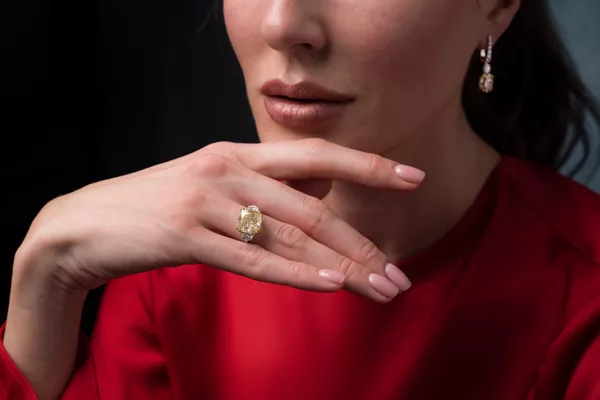

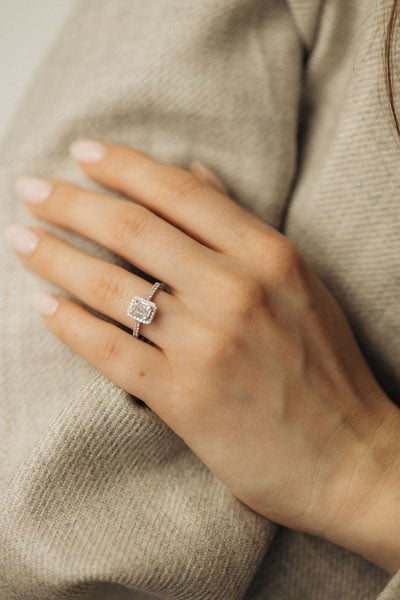
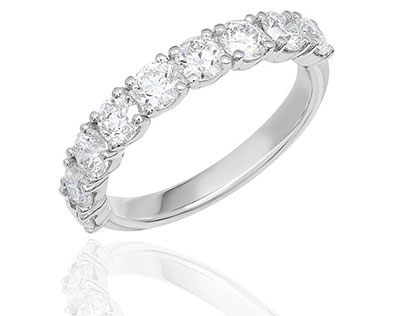

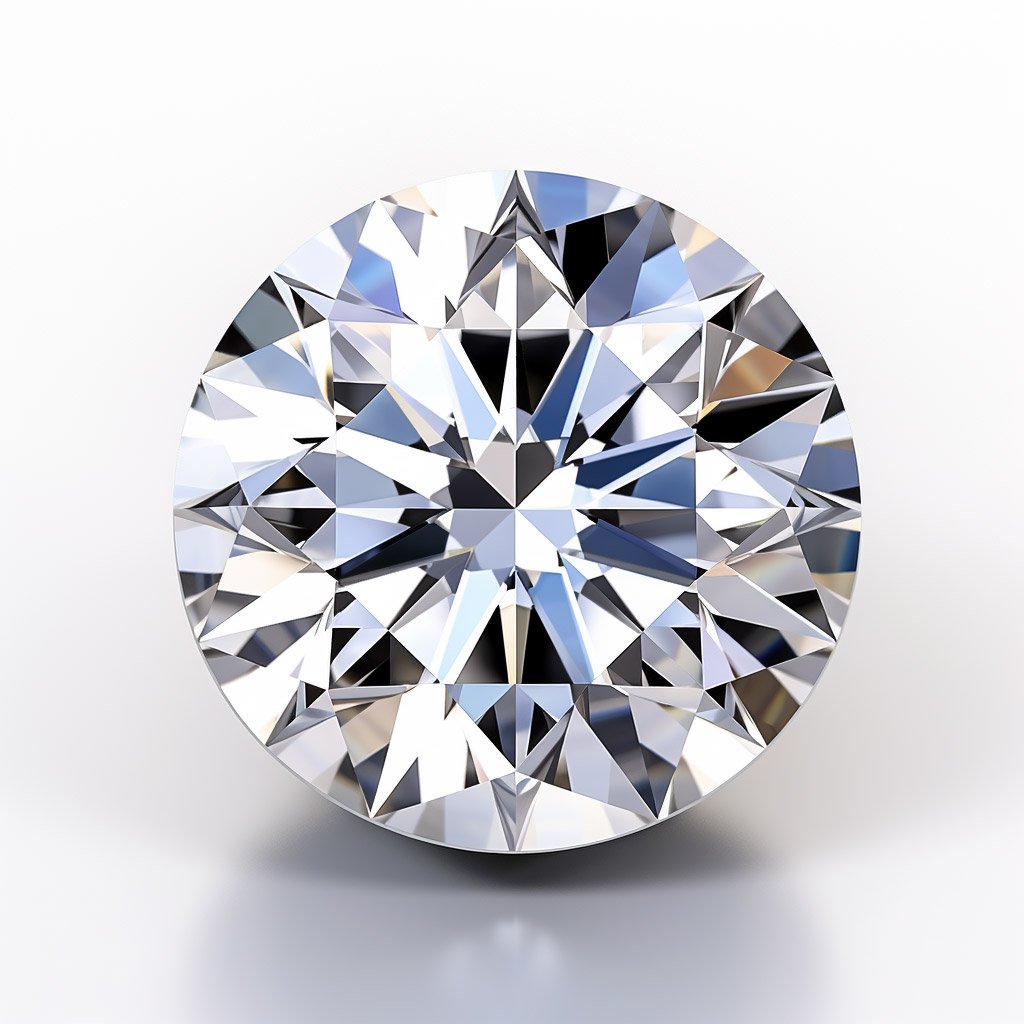


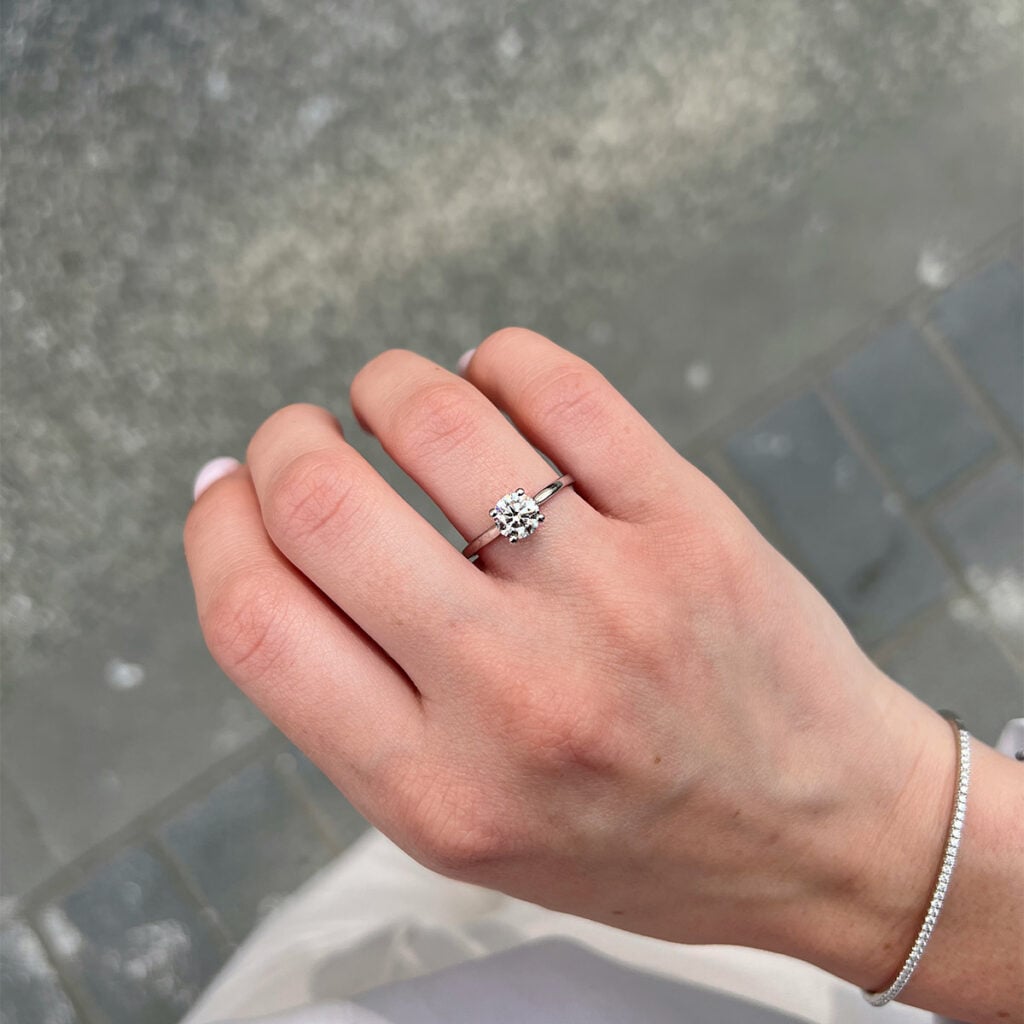
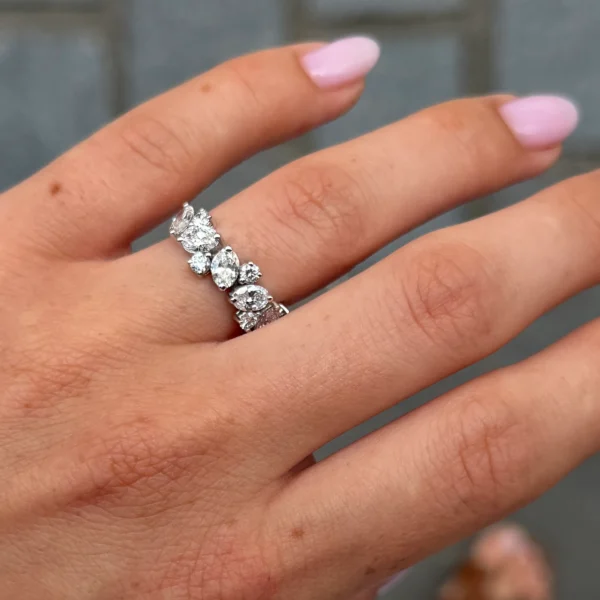
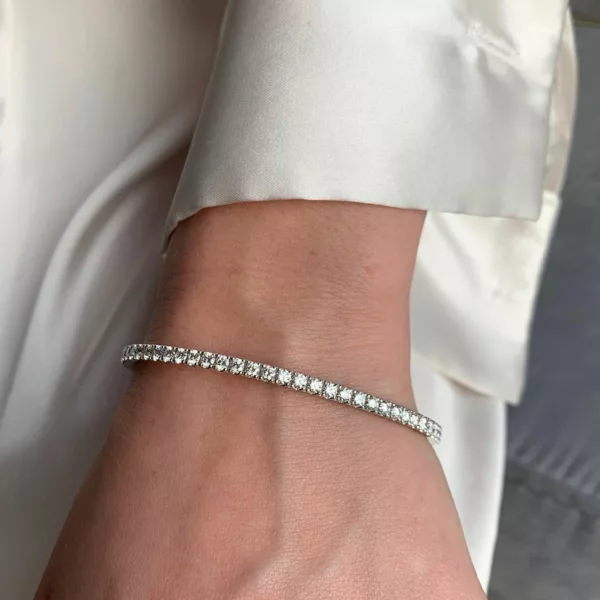
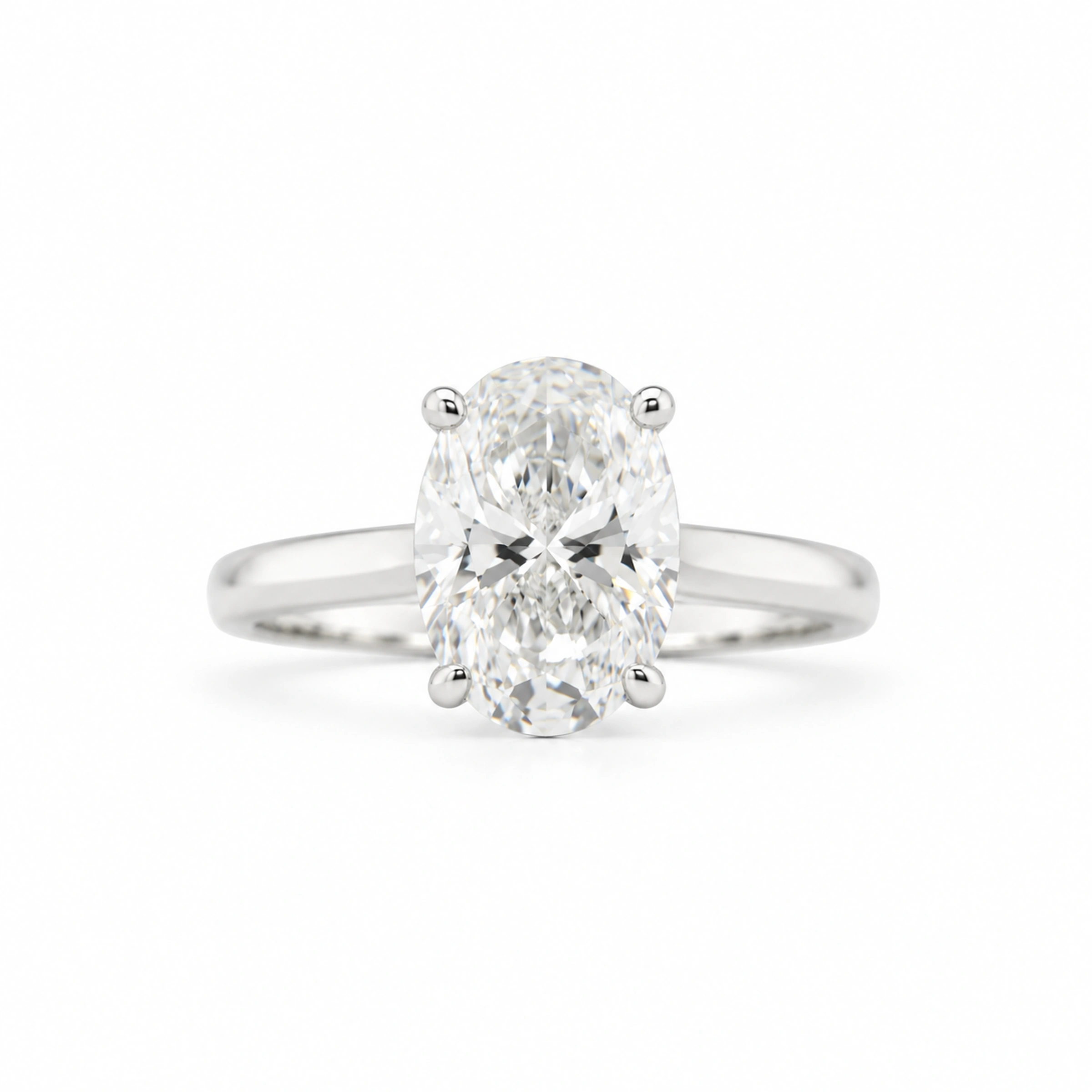


1.59 ct lab grown oval diamond solitaire, D VVS1, in 18K white gold
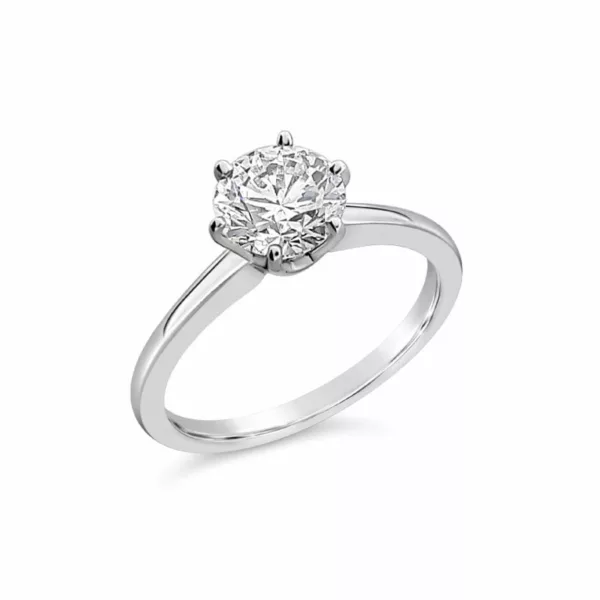
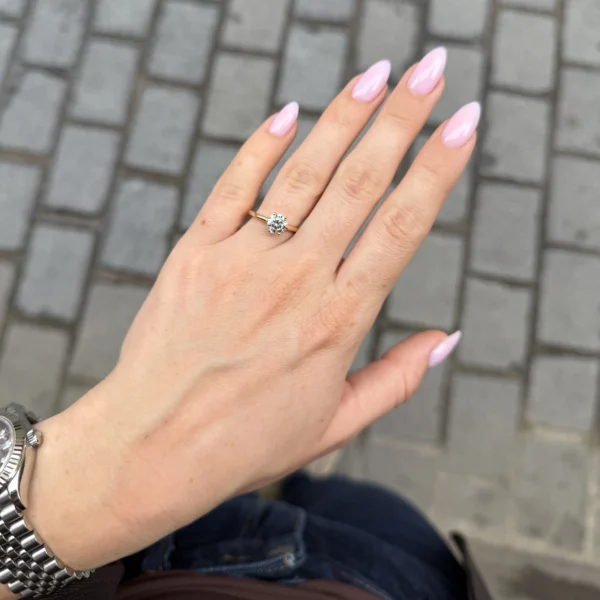
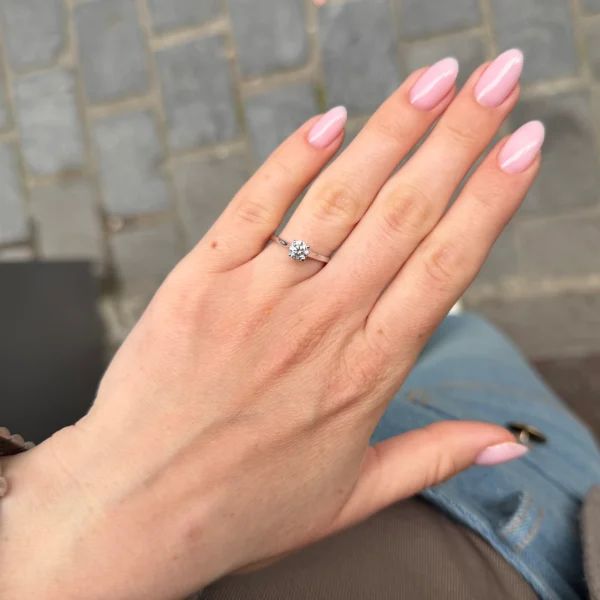
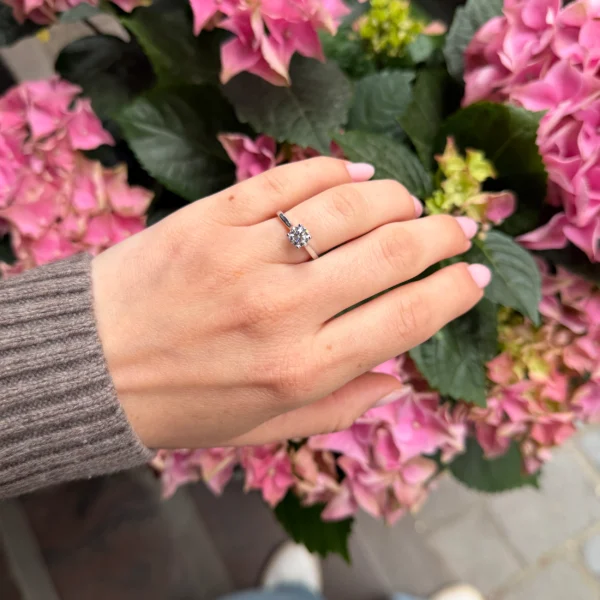
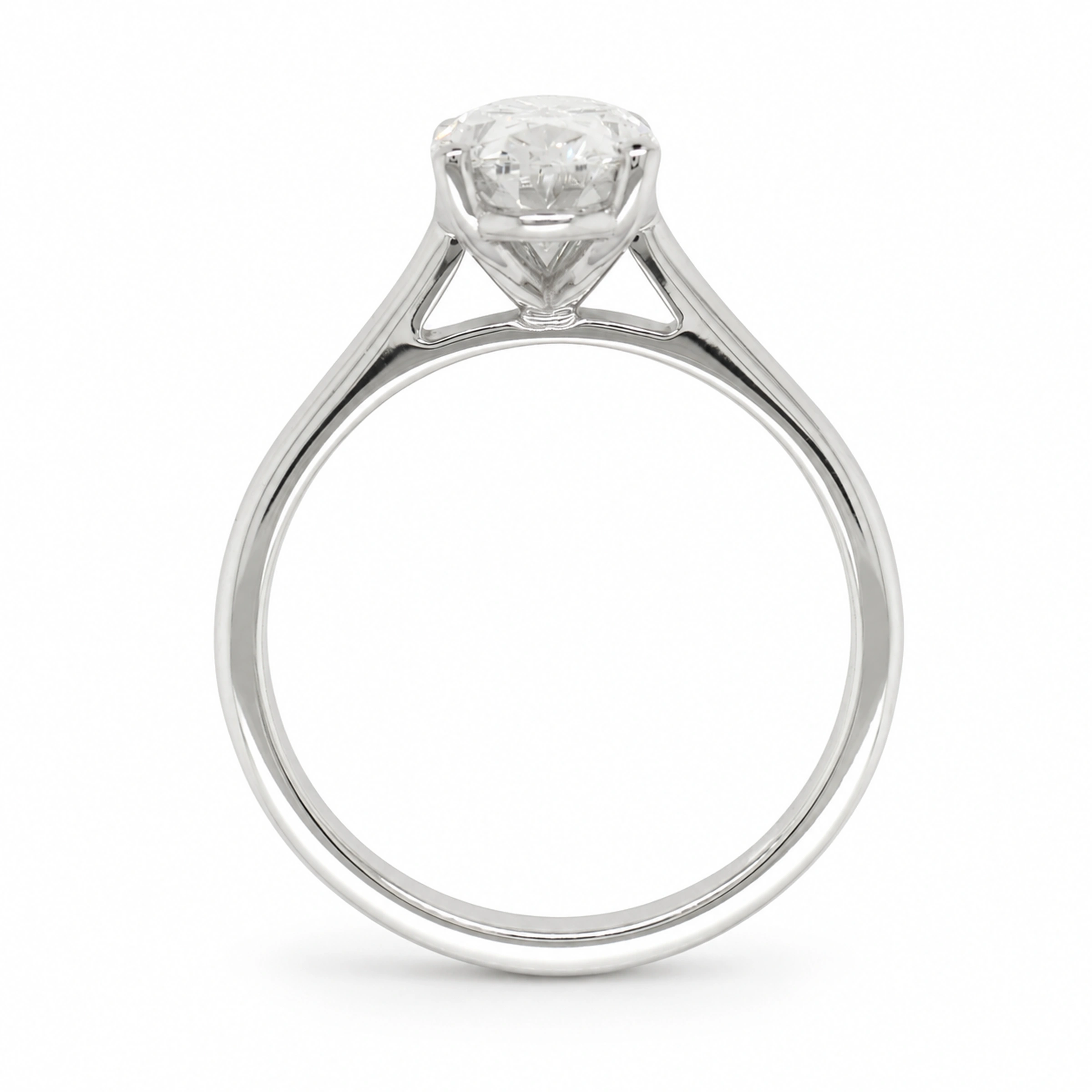
A single laboratory-grown oval cut diamond of 1.59 carats, graded D in colour and VVS1 in clarity, on four claws on a plain band in 18K white gold. No halo, no pavé, no side stones. IGI report LG787614317. There is one of it.
The stone is lab grown
In the title and again here. D is the top of the colour scale and VVS1 is inside the range where inclusions need magnification to find. On a mined oval of this weight that pairing costs several times this ring.
Real diamond: crystallised carbon, hardness 10, graded by IGI on the same scales used for mined stones.
We have a larger version of this exact ring. Read this before choosing.
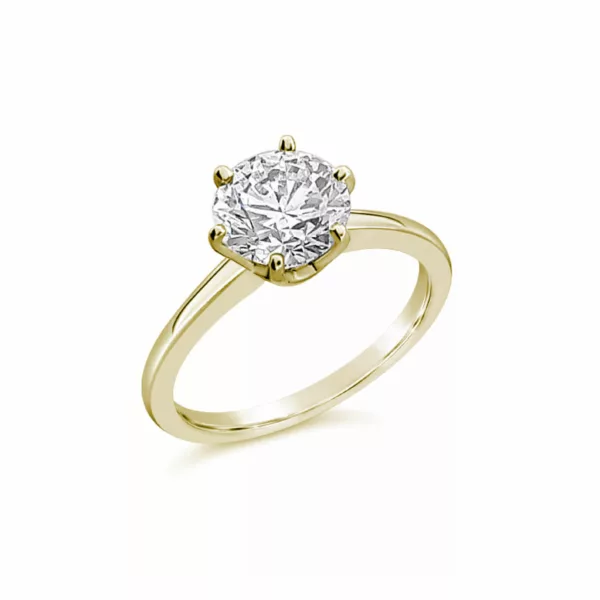
The same design in white gold exists here at 2.06 ct, and the honest arithmetic favours it: that ring is roughly €250 more for almost half a carat more stone. Per carat, the bigger one is the better buy, and we would rather you knew that from us than worked it out afterwards.
So why choose this one? Two real reasons, neither of them about money.
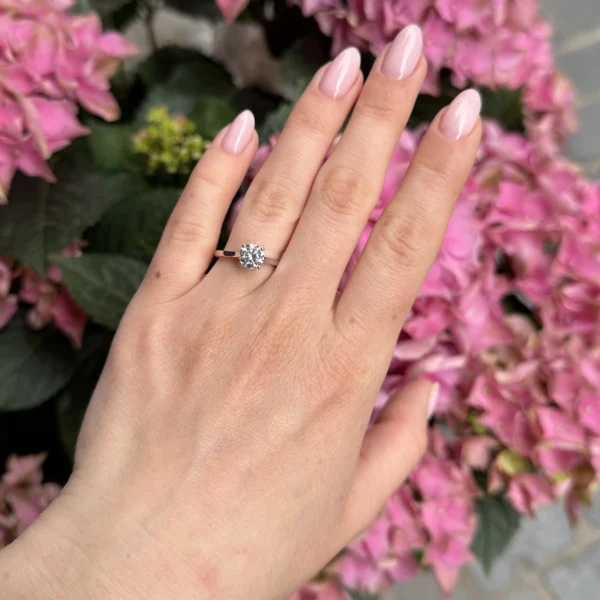
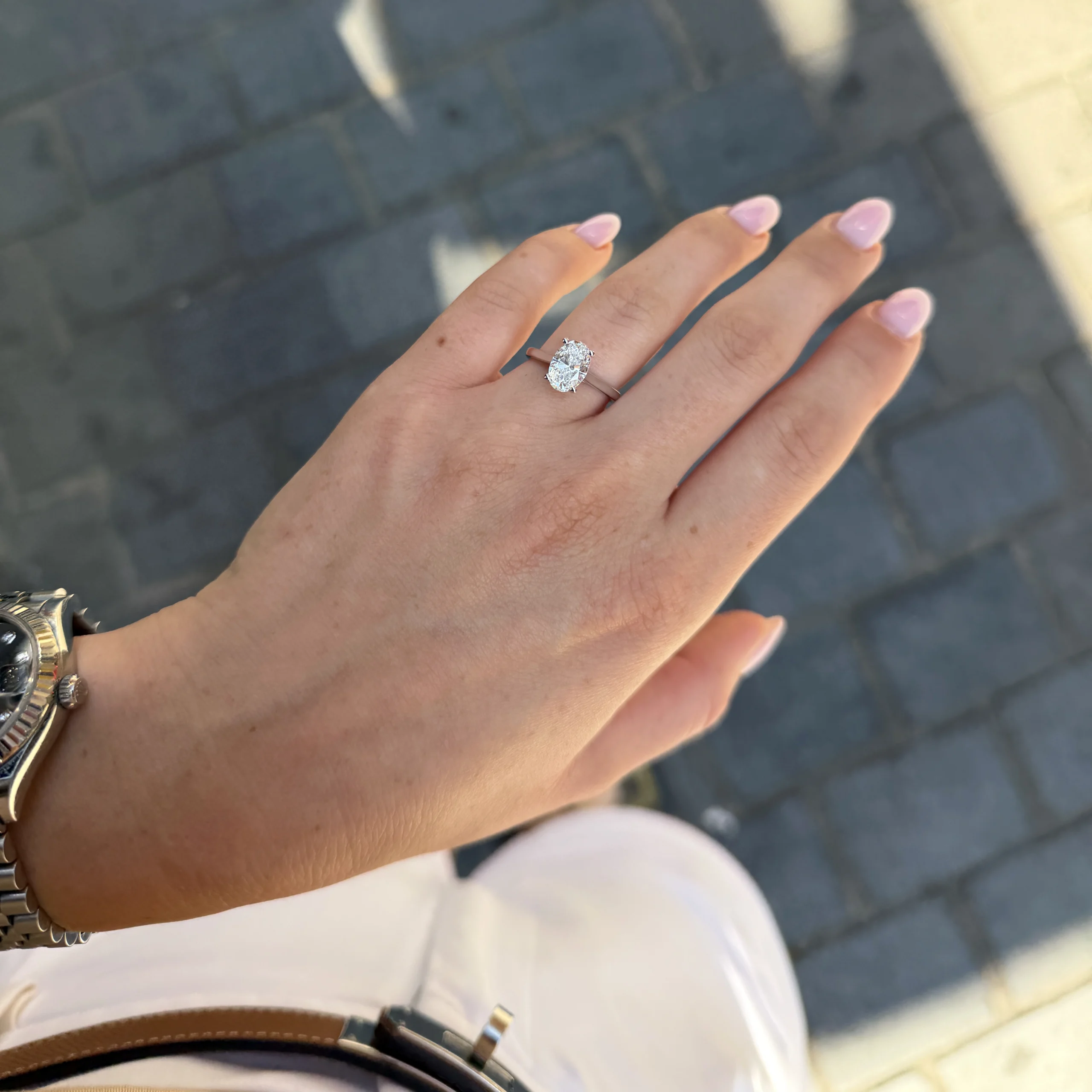
Finger width. An oval is set lengthways along the finger, and at two carats it spans most of the width on a smaller hand — it can look like it is wearing the wearer. At 1.59 ct the same shape sits inside the finger rather than across it. If your ring size is at the smaller end, come and try both before you decide on weight alone.
How you want it to read. Some people want the ring seen from across a room; others want it noticed only when someone takes their hand. This is the second one.
VVS1, and when the clarity step is worth taking
The usual advice — do not pay past the point where the eye sees anything — is correct, and we give it. VS1 and VVS1 look identical face-up.
Grown material changes the sum. On a mined stone the move up the clarity scale is a real price jump, because it depends on how the crystal happened to form. In laboratory material the higher grades are not scarce in the same way, so the step costs comparatively little. You are not paying much for this VVS1, and there is no reason to refuse it — but do not let it be the reason you choose the ring.
The oval, and the one thing to check in person
Carat is weight, not width. An oval spreads more across the top than a round of the same weight, so 1.59 ct here presents a face-up outline closer to what people expect from a larger round, and the elongated outline lengthens the finger.
Every oval also has a bow-tie: the dark band across the centre where the facets return no light to the eye. On a well cut stone it is faint and moves with your hand; on a poorly cut one it stays put like a smudge. Studio lighting is set up to fill it in, so no photograph — ours included — will tell you the truth about it. Come and turn the ring under ordinary light.
The certificate
IGI report LG787614317. The LG prefix is IGI’s marker for laboratory-grown; the report states the origin explicitly and grades colour, clarity, cut and carat on the same scales used for mined diamonds. The number is laser-inscribed on the girdle.
A unique piece
Set by hand in our Antwerp workshop. Ring sizing is included, and a plain band sizes easily in either direction. Insured delivery is free throughout Europe.
Related — the lab grown oval range, 1.00 to 3.08 ct
Every oval we hold, by weight, so you can compare without hunting: