Nederlands
 Français
 Italiano
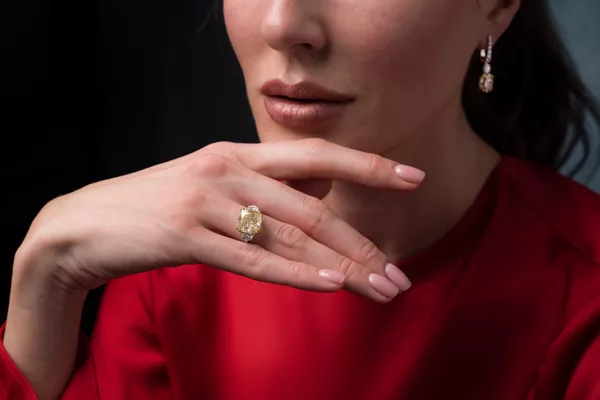

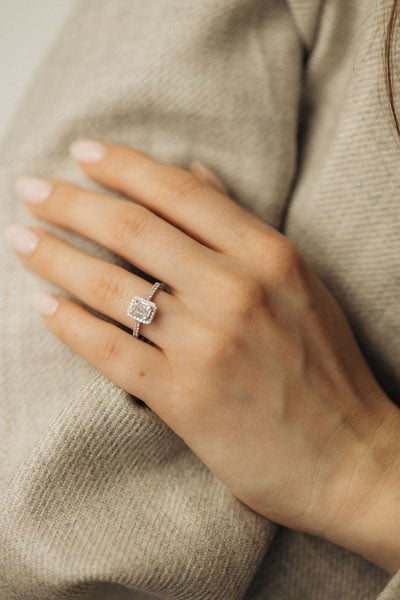





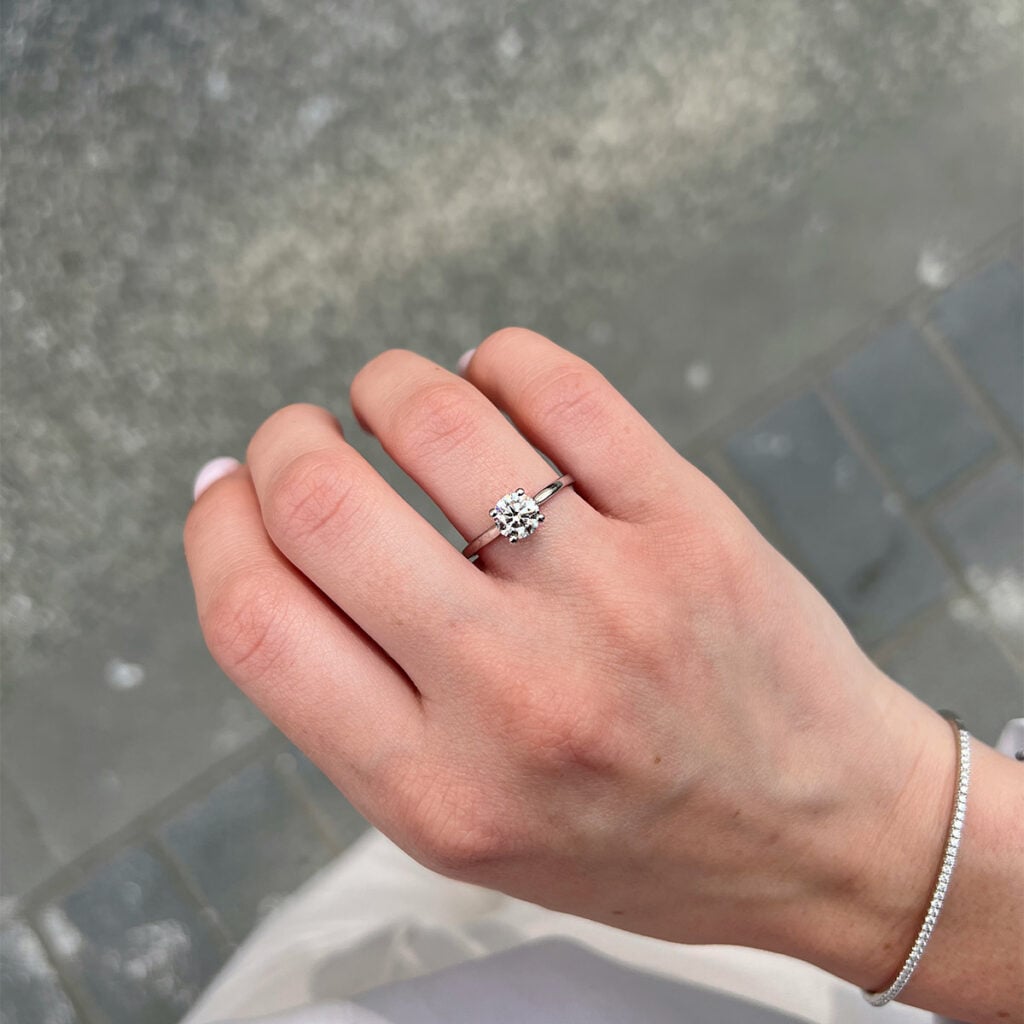
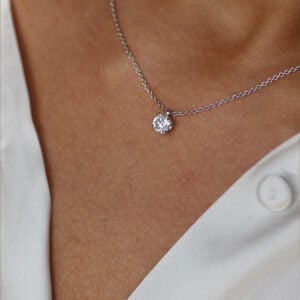


2.03 ct lab-grown oval diamond solitaire, D VVS2, IGI certified
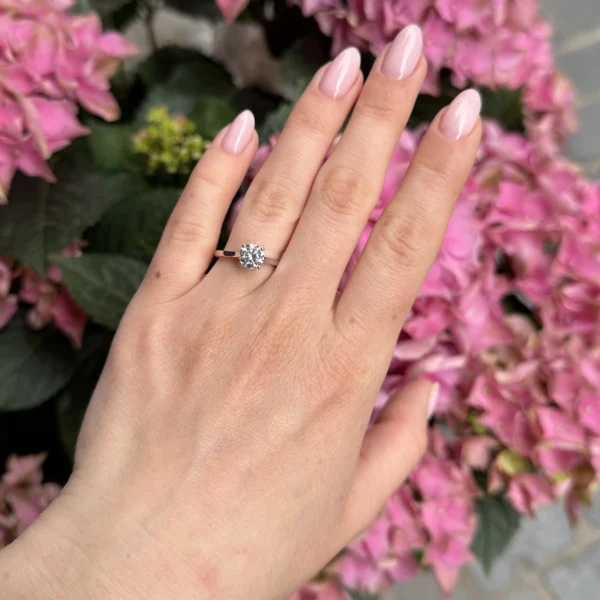
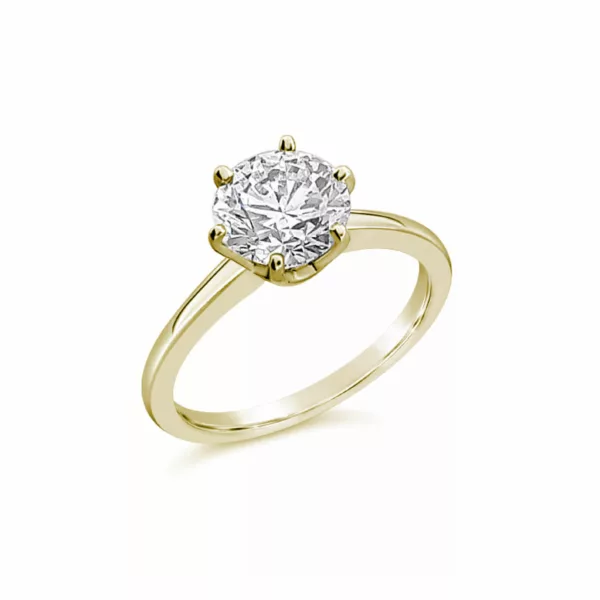
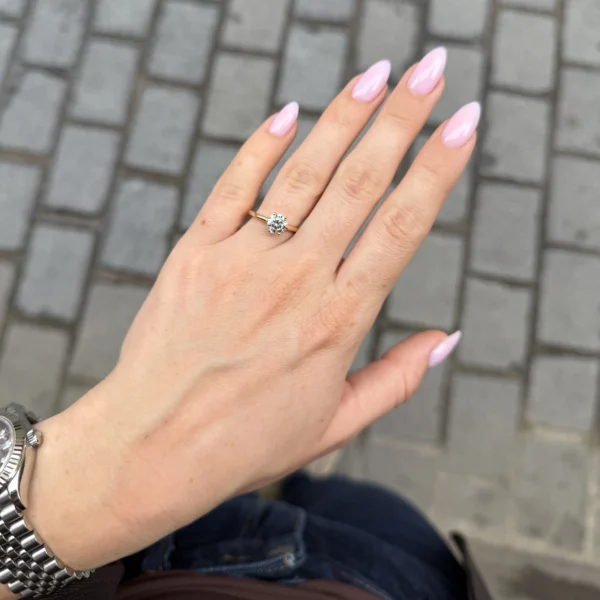
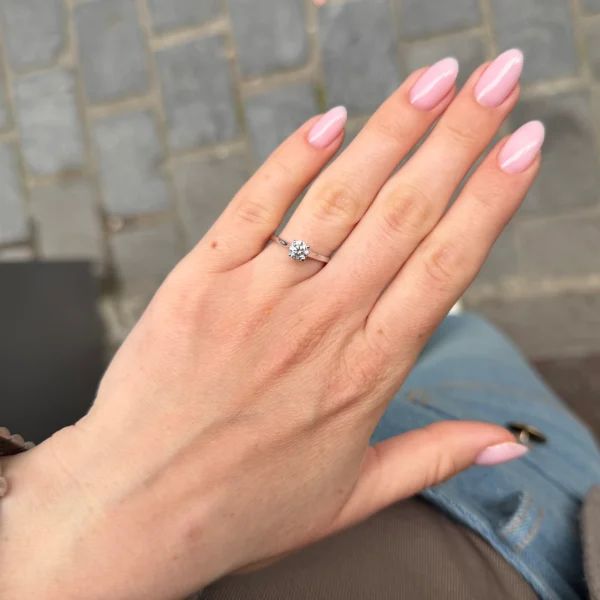
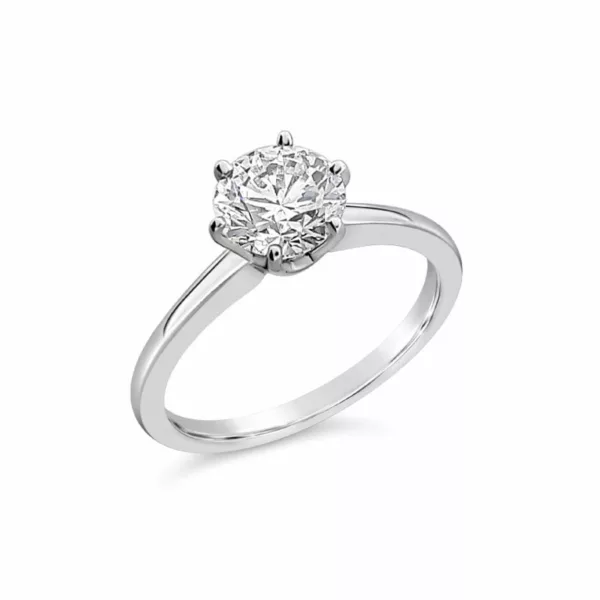
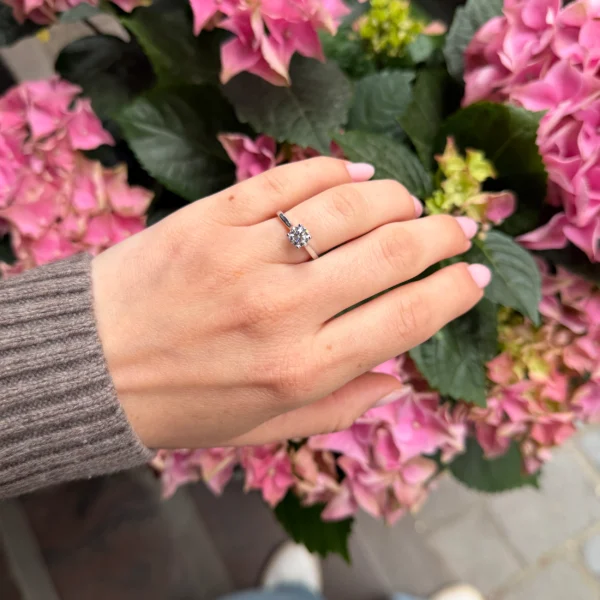
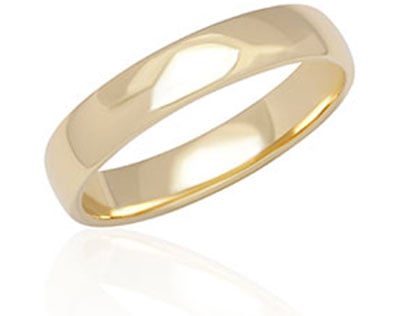
A single laboratory-grown oval diamond of 2.03 carats, colour D and clarity VVS2, held in four claws on a plain 18K yellow gold band. IGI report LG836695375.
The stone
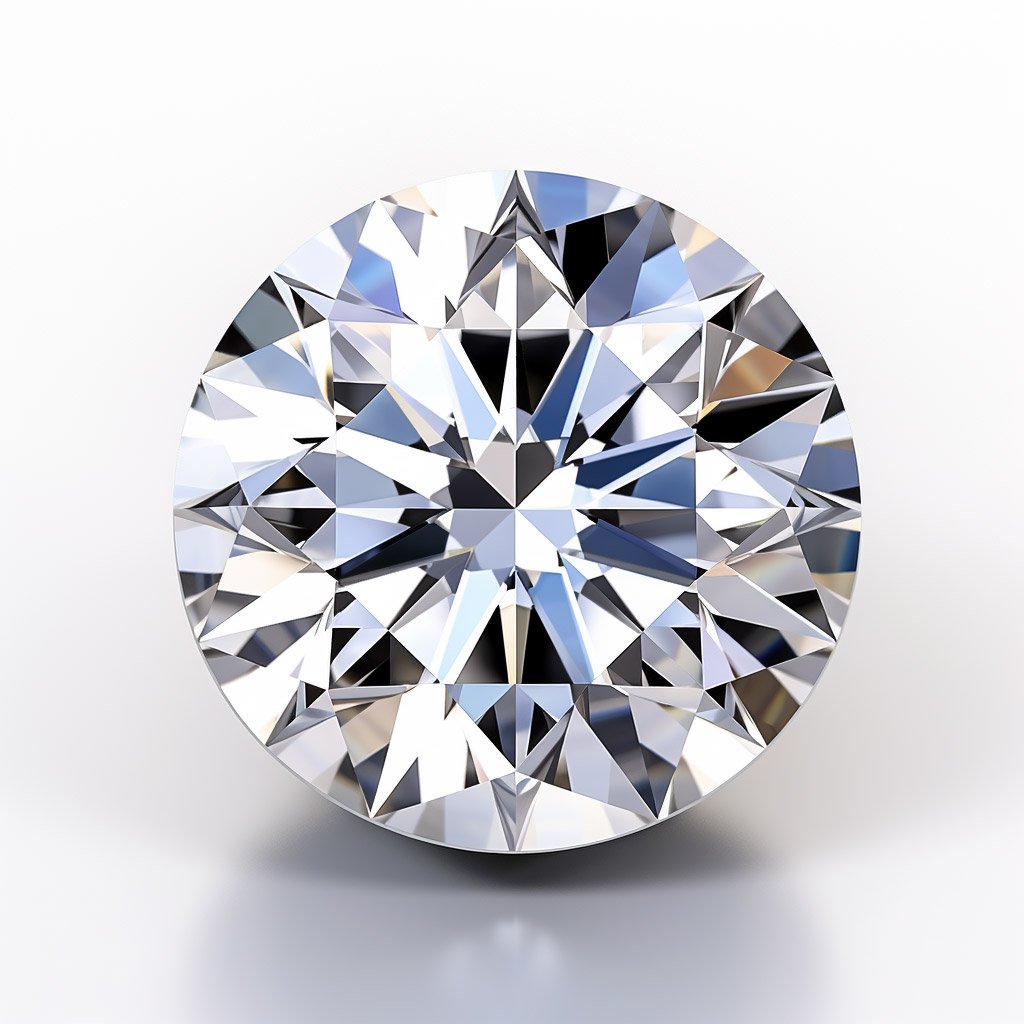
- 2.03 ct oval cut, laboratory-grown diamond
- Colour D — the top of the scale, no detectable body colour
- Clarity VVS2 — inclusions extremely difficult to find at ten times magnification
- IGI report LG836695375
- Setting: four claws, plain 18K yellow gold band
At two carats, the answer is written on the girdle
A laboratory-grown diamond is diamond: the same crystal, the same hardness, the same way of handling light. Nobody can tell this stone from a mined one by looking at it, and neither can a jeweller with a loupe. Separating the two takes instruments that read the growth structure, and those live in laboratories rather than in shops.
That is a pleasant fact at half a carat and a consequential one at two, because this is the size at which the difference between a grown stone and a mined one stops being a detail and becomes a large sum of money. So it matters that the answer is not left to anyone’s word. Every IGI-certified laboratory-grown diamond carries its report number laser-inscribed on the girdle, together with a statement that it was grown, and the report itself says so on its face.
Three practical consequences follow. An insurer values the ring correctly rather than guessing. A future buyer or valuer can confirm what it is in seconds. And whoever wears it is never in the position of discovering something they were not told. We think that last one is the point: a grown diamond is an honest choice, and it should be bought as one.
Why 2.03 rather than just under two
Diamond prices do not rise smoothly with weight. They step at the round numbers — one carat, one and a half, two — because demand clusters on those figures and because supply above each line is scarcer than below it. The effect is strong enough that cutters will keep extra weight on a stone, at some cost to its proportions, rather than let it finish at 1.97.
Half of that mechanism is scarcity, and scarcity is exactly what growing a diamond removes. The step across two carats is therefore far shallower here than it would be on a mined stone, which changes the sensible decision: there is little to be saved by settling for something just under the line, so there is no reason to settle. This one clears it at 2.03.
Certification
Supplied with IGI report LG836695375. All of our laboratory-grown diamonds are certified by IGI, and we keep to a single laboratory across the range so that grades stay comparable from stone to stone. Read how we source and verify our diamonds.
Made in Antwerp
Made in our own Antwerp workshop and available in any finger size. Insured delivery is free across Europe. Browse the full lab-grown diamond engagement ring collection, or come and try it at our Vestingstraat showroom.