Nederlands
 Français
 Italiano
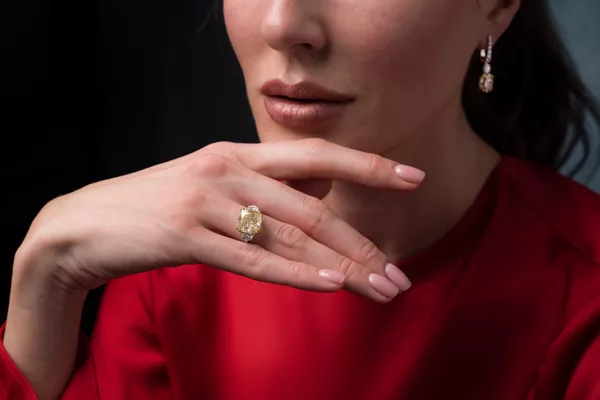

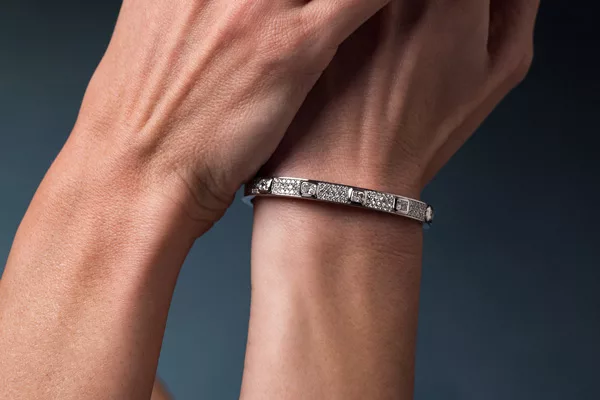
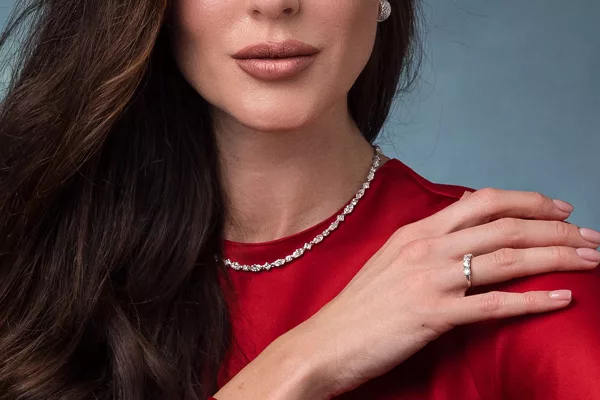
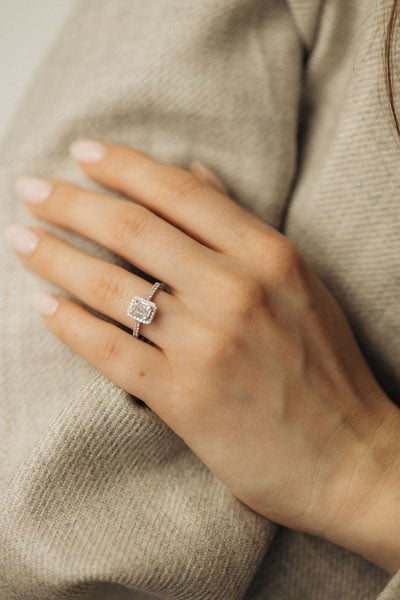

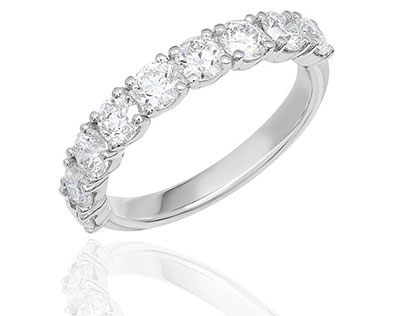

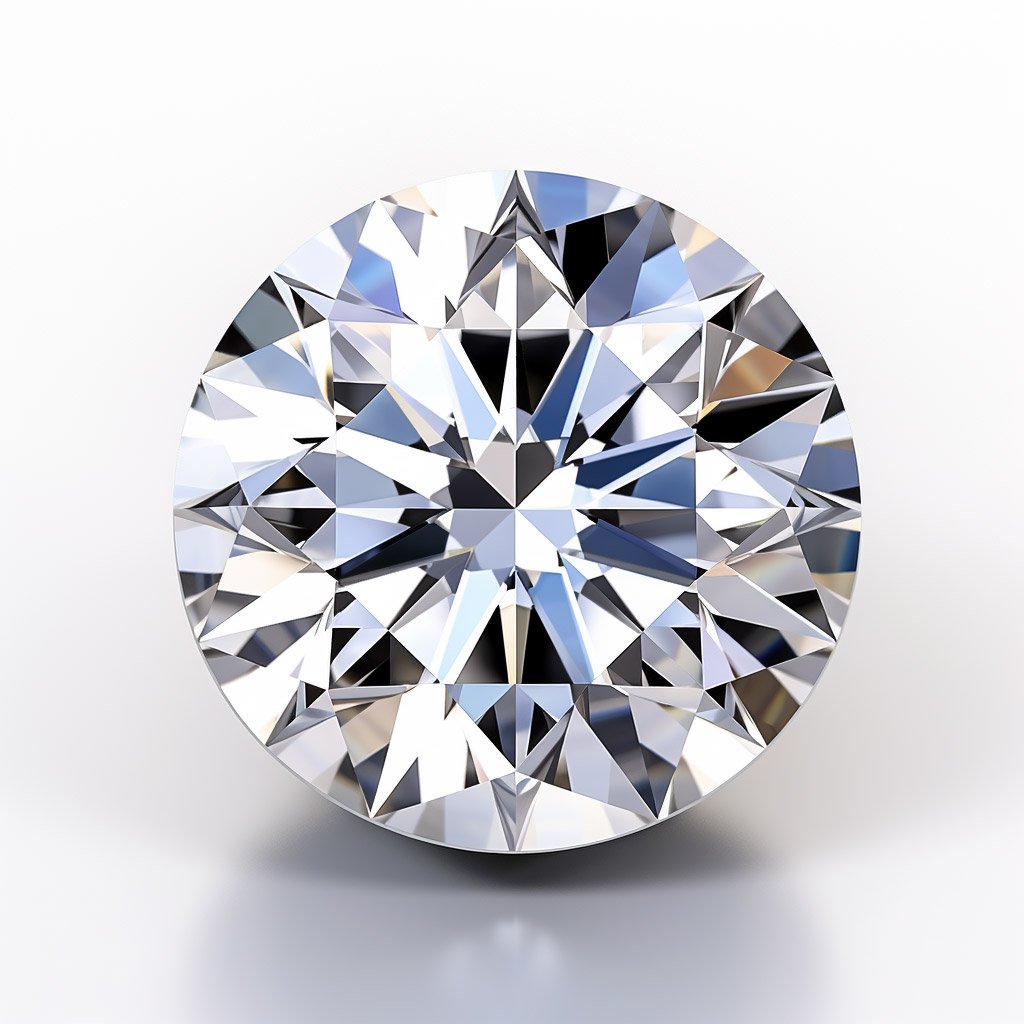




4.06 ct natural fancy yellow oval diamond ring, halo and pavé, 18K white and yellow gold
A 4.06 ct natural fancy yellow oval diamond, clarity SI1, GIA report 2225043390, held in a halo with 0.20 ct of pavé accents. 18K white and yellow gold. One ring, made in our Antwerp workshop.
A natural fancy yellow at four carats
This is a mined stone, not a laboratory one, and that is most of what you are paying for. Fancy colour occurs in roughly one natural diamond in ten thousand, and the great majority of those are too small, too pale or too poorly shaped to become a centre stone. A 4.06 ct oval with enough saturation to be graded fancy by the GIA is not a stone you order — it is one you wait for. We have written elsewhere on this site, honestly, that laboratory-grown fancy yellows offer the same chemistry for a fraction of the price. This ring is for the buyer who wants the geological accident rather than the chamber.
Where the yellow comes from
Nitrogen. A small proportion of nitrogen atoms sitting in place of carbon in the lattice absorbs blue light, and what returns to the eye is yellow. Almost every diamond on earth contains some — it is why so many colourless stones grade faintly warm. What is rare is enough nitrogen, arranged in the right configuration, over the millions of years of growth this stone took, to produce a colour the trade stops calling a flaw and starts calling fancy.
Why an oval, and why a halo
An oval spreads its weight along its length, so 4.06 ct reaches around 12.5 mm — a stone that occupies most of the finger. The halo of small white diamonds around it is doing something specific and worth understanding: colour perception is comparative, and a ring of pure white immediately next to a yellow stone makes the yellow read deeper than it would alone. The halo is not there to make the diamond look bigger. At four carats it needs no such help. It is there to make it look yellower.
Two metals, deliberately
Yellow gold under and around the centre stone, white gold for the halo and the pavé. The yellow metal reflects back through the pavilion and reinforces the body colour; the white keeps the surrounding stones icy so the contrast holds. Build the whole ring in yellow and the halo goes creamy and the effect collapses. This is optics, not decoration.
SI1, and what that means here
SI1 means inclusions are visible under ten times magnification and may, on some stones, be findable with a careful naked eye. We state it rather than bury it. In a saturated fancy colour the calculation genuinely differs from a colourless stone: the depth of colour absorbs and masks a great deal, and the eye goes to the hue first. But this is a four-carat diamond and you should look at it under a lamp before you buy it. That is what Antwerp is for.
One piece
A single ring, held in Antwerp, with its GIA report. Ring size and any adjustment to the setting are agreed before the piece leaves the workshop, and we provide a written valuation for insurance.
Related — our largest natural diamond engagement rings
Three stones above two carats, each a single piece, each with its own laboratory report: