Nederlands
 Français
 Italiano


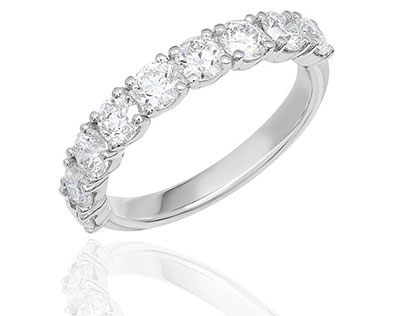

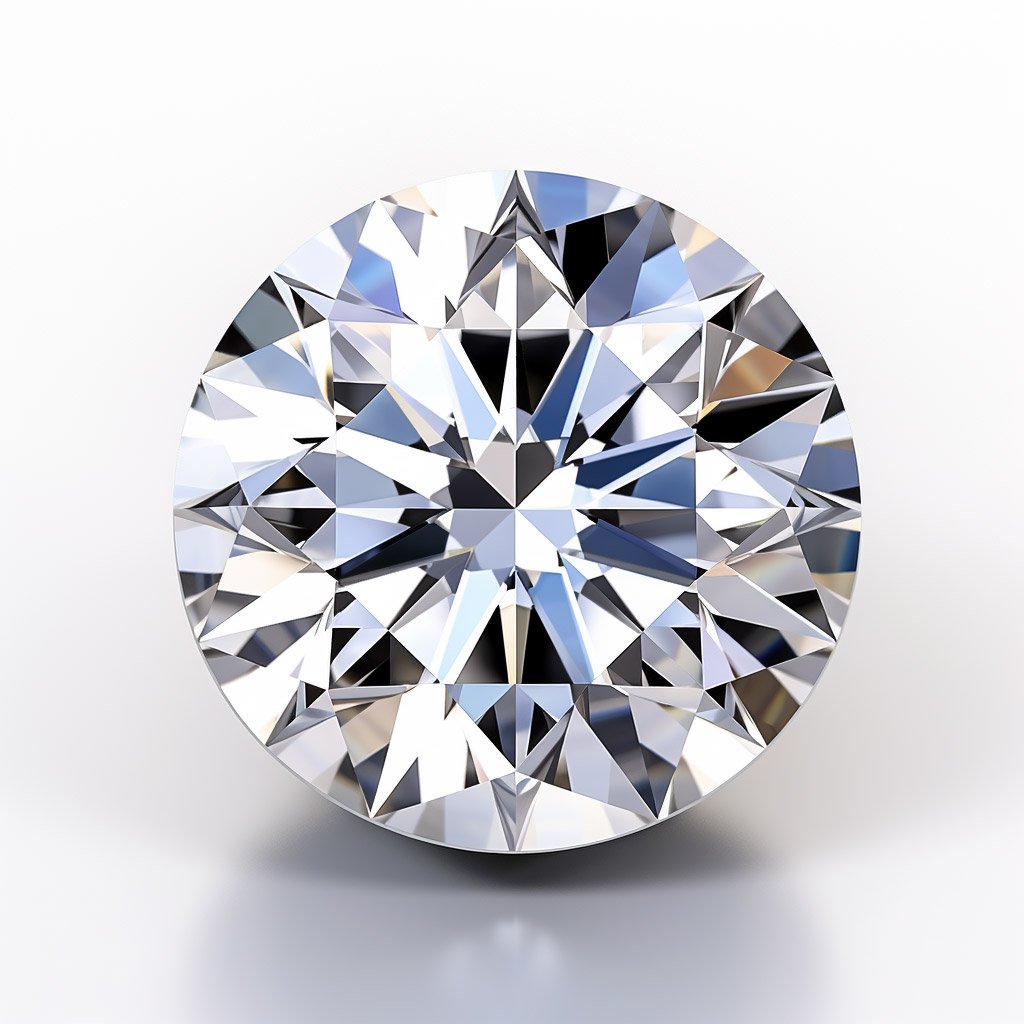



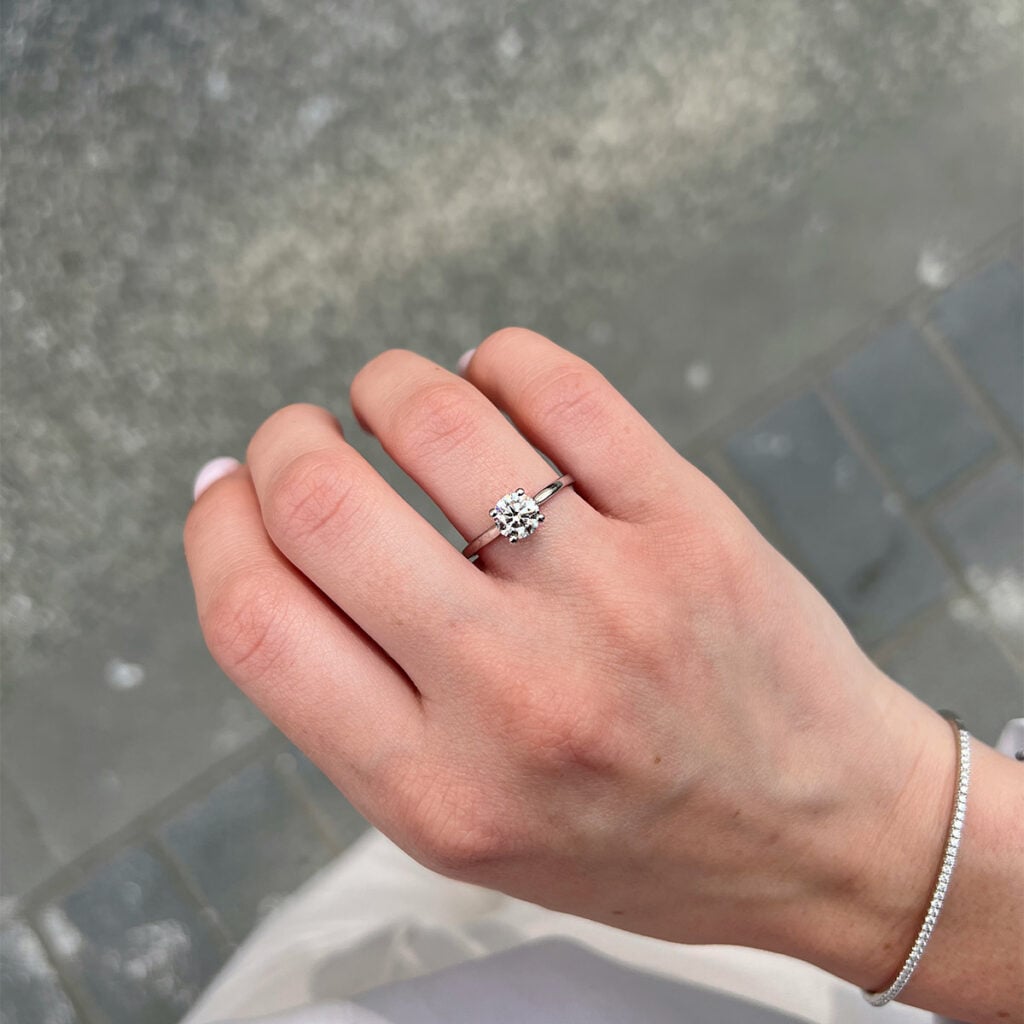
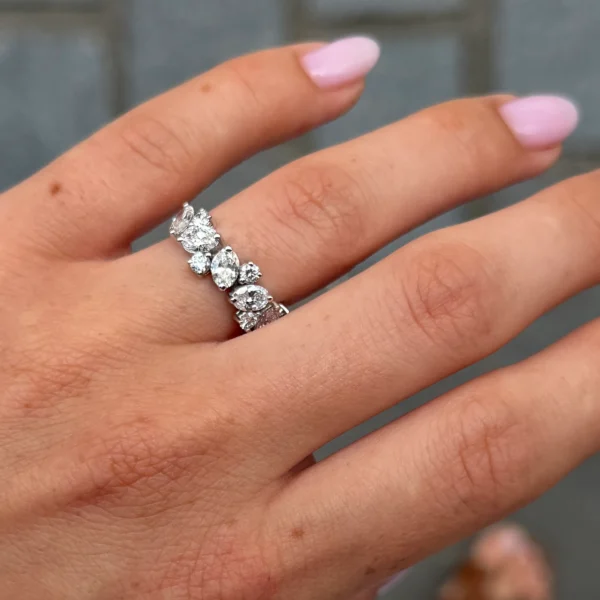
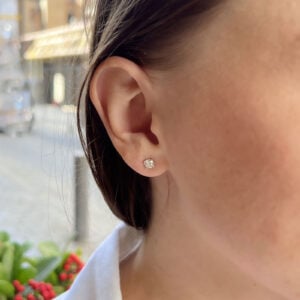
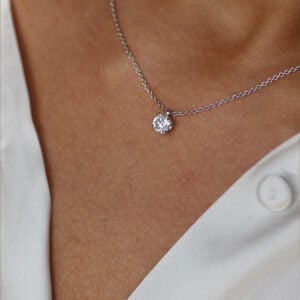
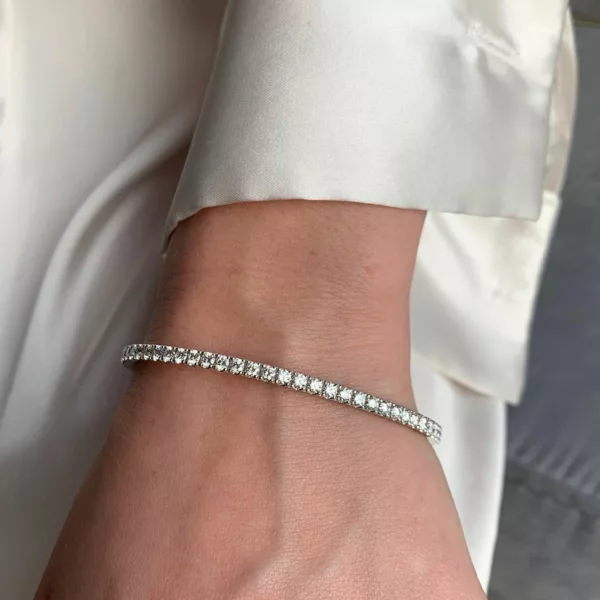
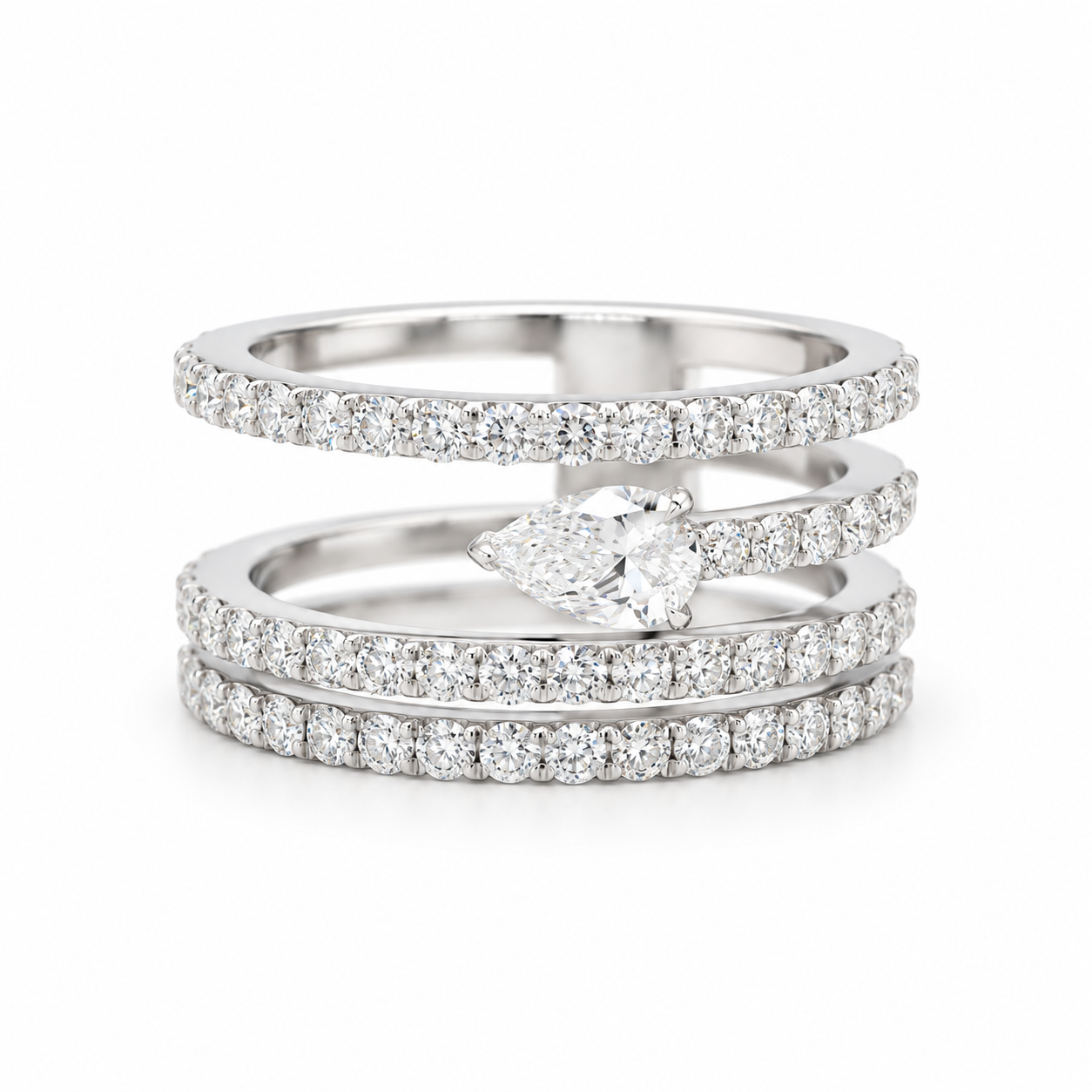
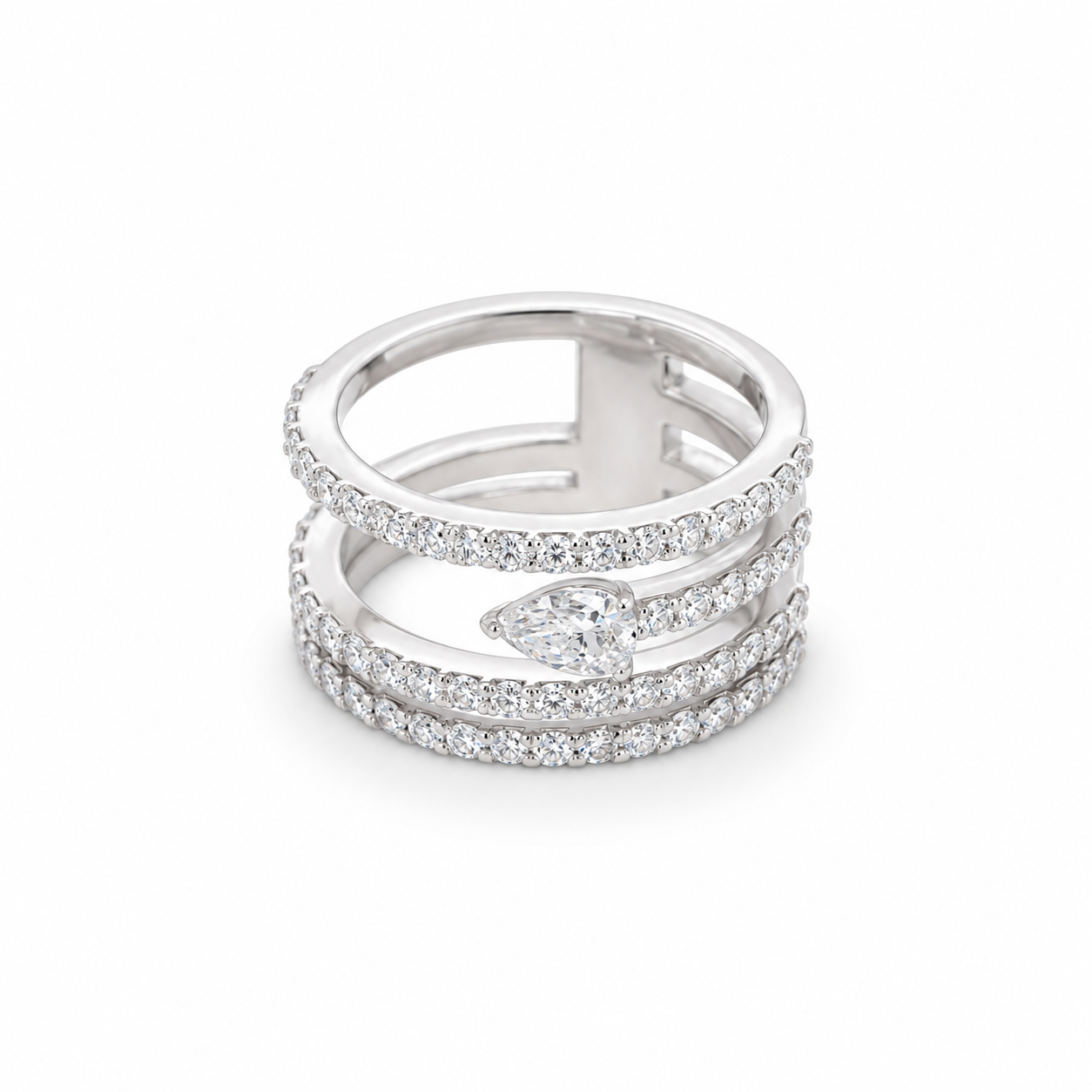
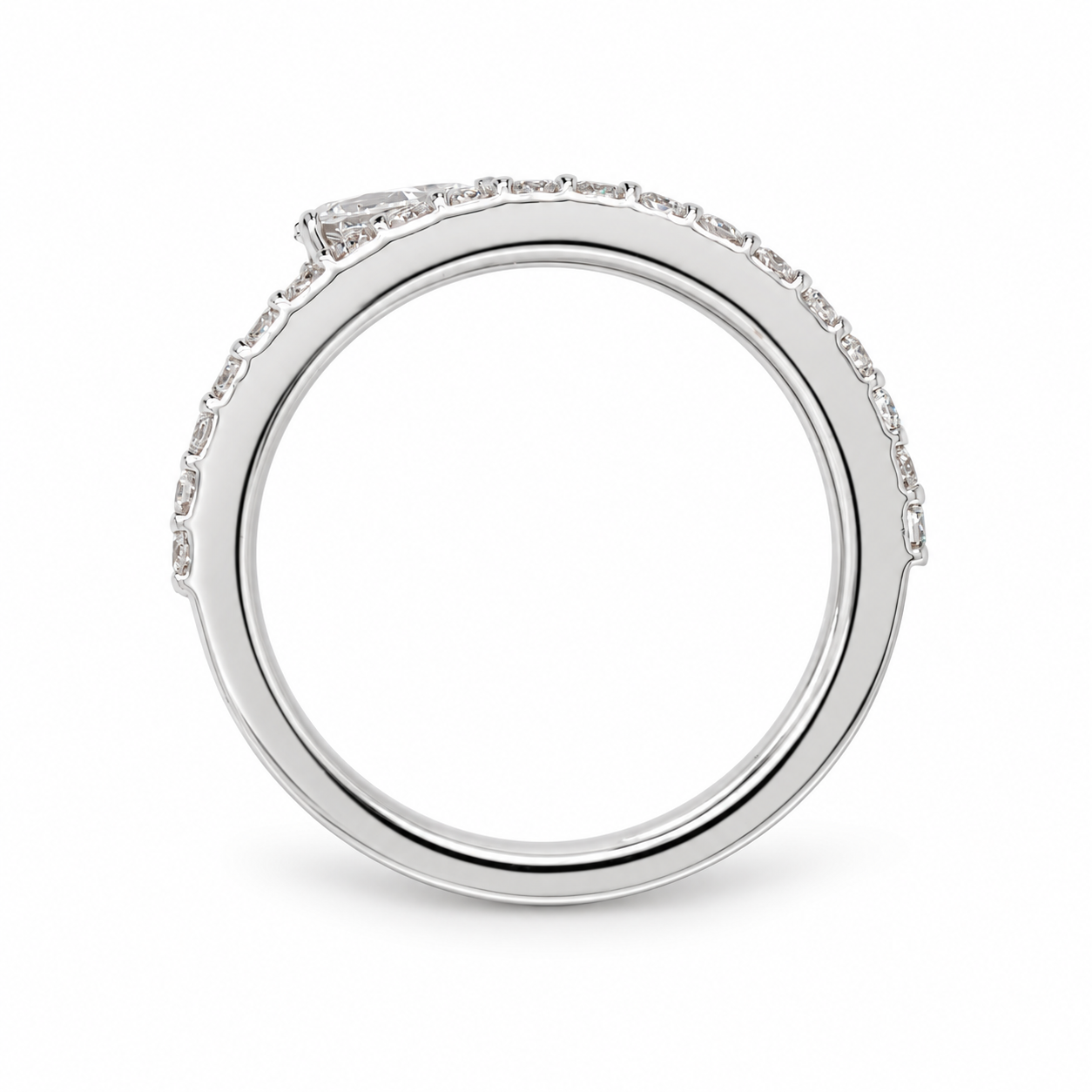
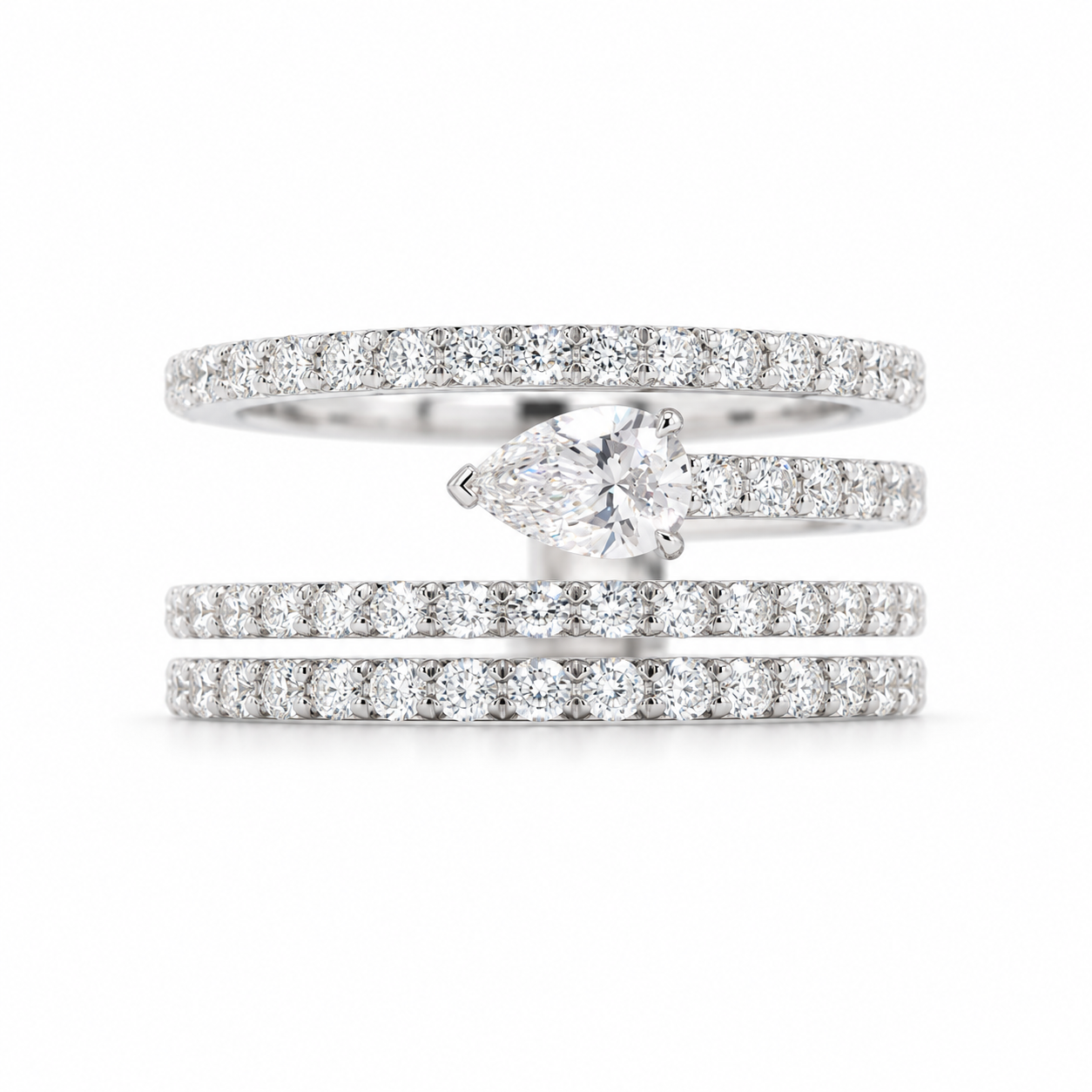
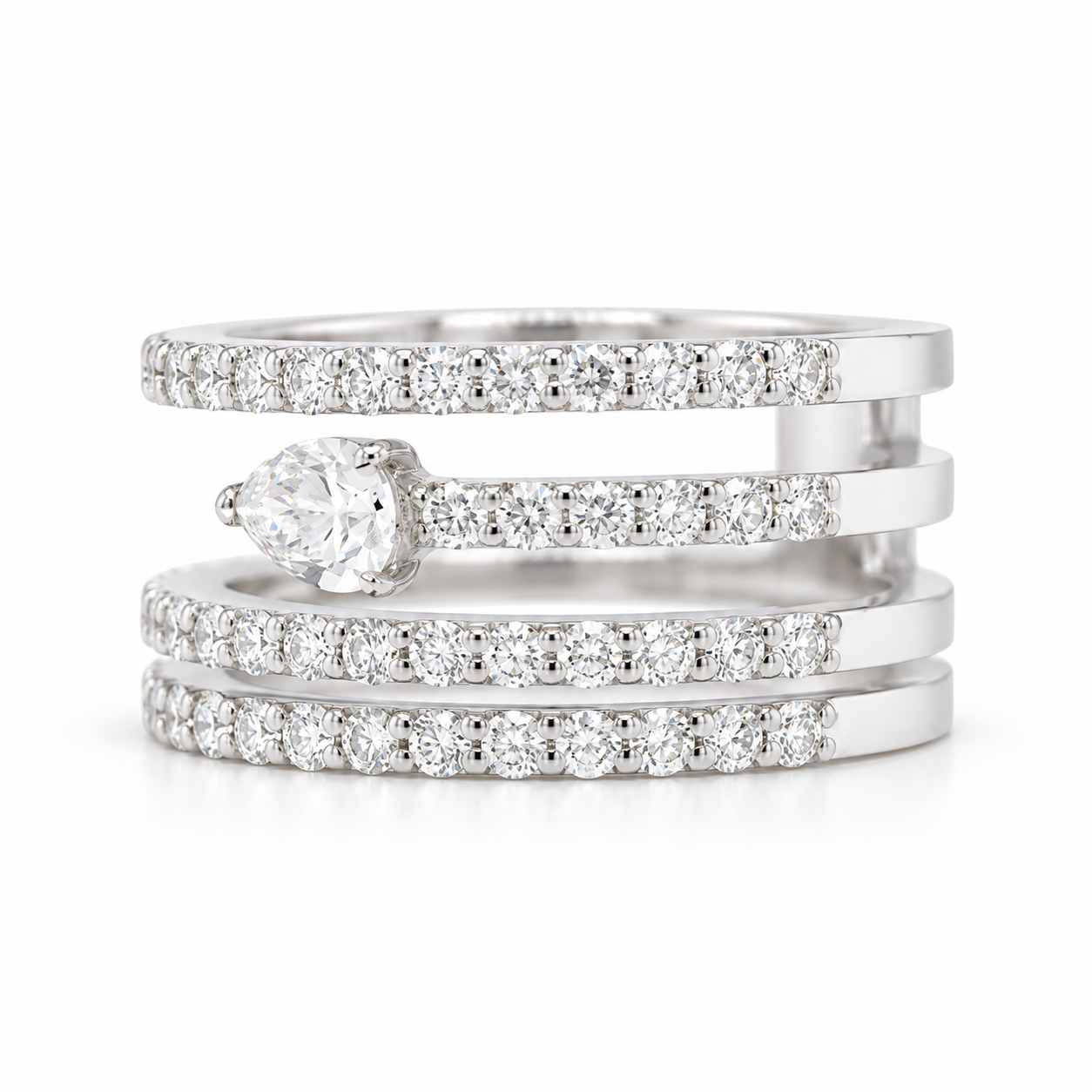
Pear diamond ring on four pavé bands, 1.31 ct total, GIA certified
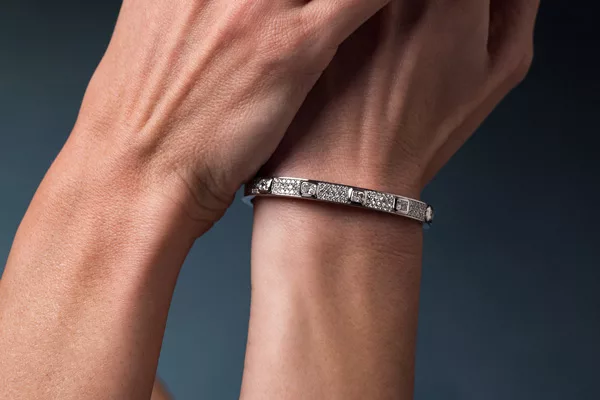
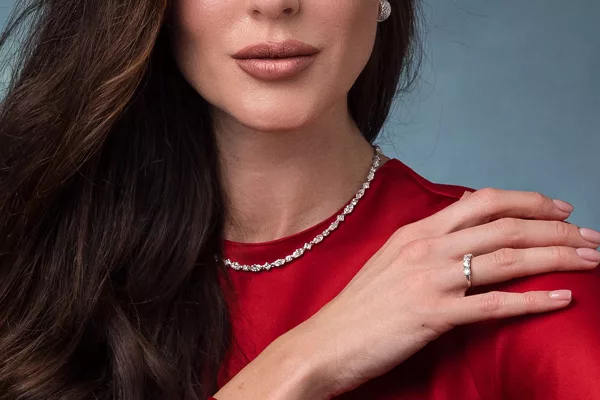
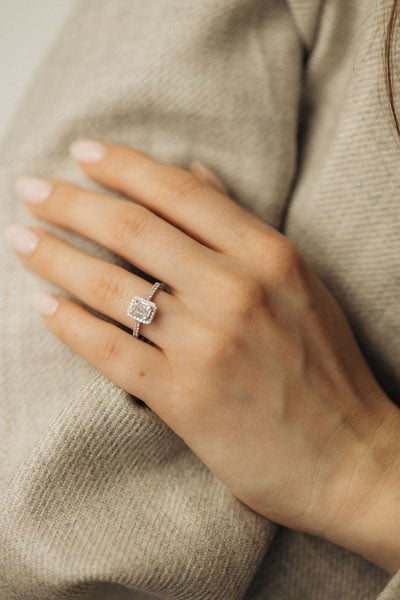
Four rows of pavé-set diamonds wrap the finger in an open, staggered structure, and a single pear-shaped diamond is set across the gap between them — laid on its side, pointing across the hand rather than up the finger. 18K white gold. GIA report 2558885751 covers the pear.
The stones
- Centre: 0.30 ct pear brilliant, colour E, clarity SI1
- 5.86 × 3.77 × 2.33 mm, length-to-width ratio 1.55
- Depth 61.7%, table 59%, no fluorescence
- Polish Very Good, symmetry Good — GIA 2558885751, laser-inscribed on the girdle
- Bands: 1.01 ct total of round brilliants, D–F colour, VS clarity, pavé-set across four rows
- Total diamond weight: 1.31 ct
The setting outweighs the stone, deliberately
This is worth saying plainly, because it is the entire design: the pavé weighs more than three times what the centre weighs — 1.01 carats against 0.30. The ring is not a solitaire trying to look larger than it is. Its subject is the structure, four lit rows running round the finger, and the pear is punctuation rather than headline.
That makes it a different purchase from a single-stone ring at the same price, and the distinction is easy to state: one buys you a point of light you look into, the other buys you light all the way round the finger. Neither is better. They are answers to different questions, and this ring answers the second one.
A pear set east–west
The pear is mounted across the finger rather than along it, and the reason is structural before it is aesthetic. Lying on its side, the stone spans the opening between the upper band and the lower group and ties the rows into one object. A conventional point-up setting could not do that job: it would stand clear of the bands with nothing to bridge, and the structure would fall back into separate rings stacked together.
It also changes how the stone is read. A pear pointing up the finger reads as a direction; the same pear laid sideways reads as a shape, and at 5.86 mm long it occupies more of the finger’s width than 0.30 carats would ordinarily cover. East–west setting suits elongated outlines for exactly this reason, and at a length-to-width ratio of 1.55 this one is properly elongated rather than stubby.
Where the budget went, and why
The report records Very Good polish and Good symmetry on the centre stone. Those are honest to state, and they are the right trade here. A 0.30 ct pear measuring under six millimetres, set against a full carat of pavé, is read as part of a lit surface rather than inspected on its own; paying for a higher symmetry grade in a stone that size buys something nobody will see.
Colour is the opposite case, and that is where the grade went. The centre is E, inside the colourless band, and it has to be: every stone touching it is D to F. A warmer centre would sit in the middle of a carat of colourless pavé and be caught immediately, because the eye reads colour by comparison and the comparison here is built into the ring.
Certification
Supplied with GIA report 2558885751 for the pear-shaped centre diamond. Read how we source and verify our diamonds.
Made in Antwerp
Made in our own Antwerp workshop and available in any finger size. Insured delivery is free across Europe. Browse the full engagement ring collection, or come and try it at our Vestingstraat showroom.