Nederlands
 Français
 Italiano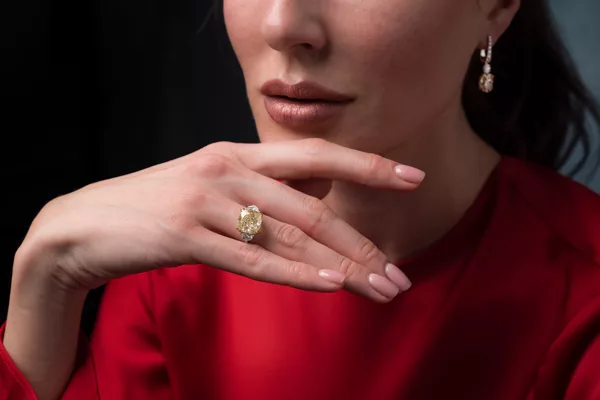




Jewelry news for Week 39: what changed from 21 to 27 September 2026?
This Week 39 jewelry news edition, covering 21–27 September 2026, brings together four developments relevant to anyone considering an engagement ring, natural diamond, laboratory-grown diamond or coloured gemstone. The common thread is clear: carat weight alone is becoming a less useful way to understand a jewel. Cut quality, precise terminology, individual colour and a design that suits its wearer increasingly shape the decision.
Elongated diamond shapes remain in demand, but proportions are decisive
The Rapaport Market Comment published on 24 September described positive sentiment in Antwerp, with two-carat-and-larger round diamonds moving well and strong orders for oval and pear shapes. Internationally, elongated fancy shapes such as oval, marquise and emerald cuts continued to move, while well-cut stones with attractive proportions could command premiums.
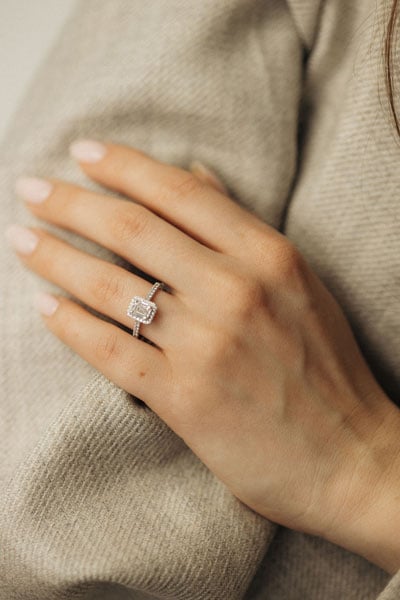
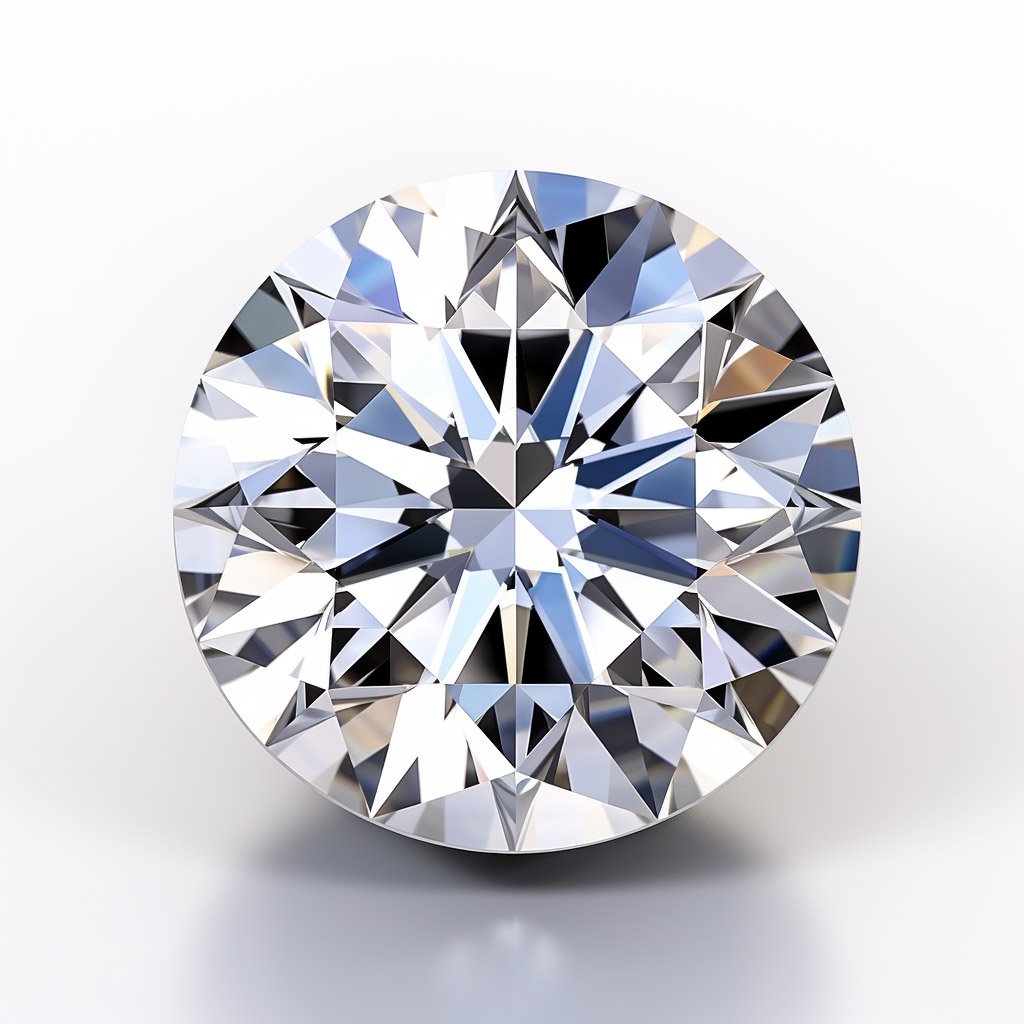
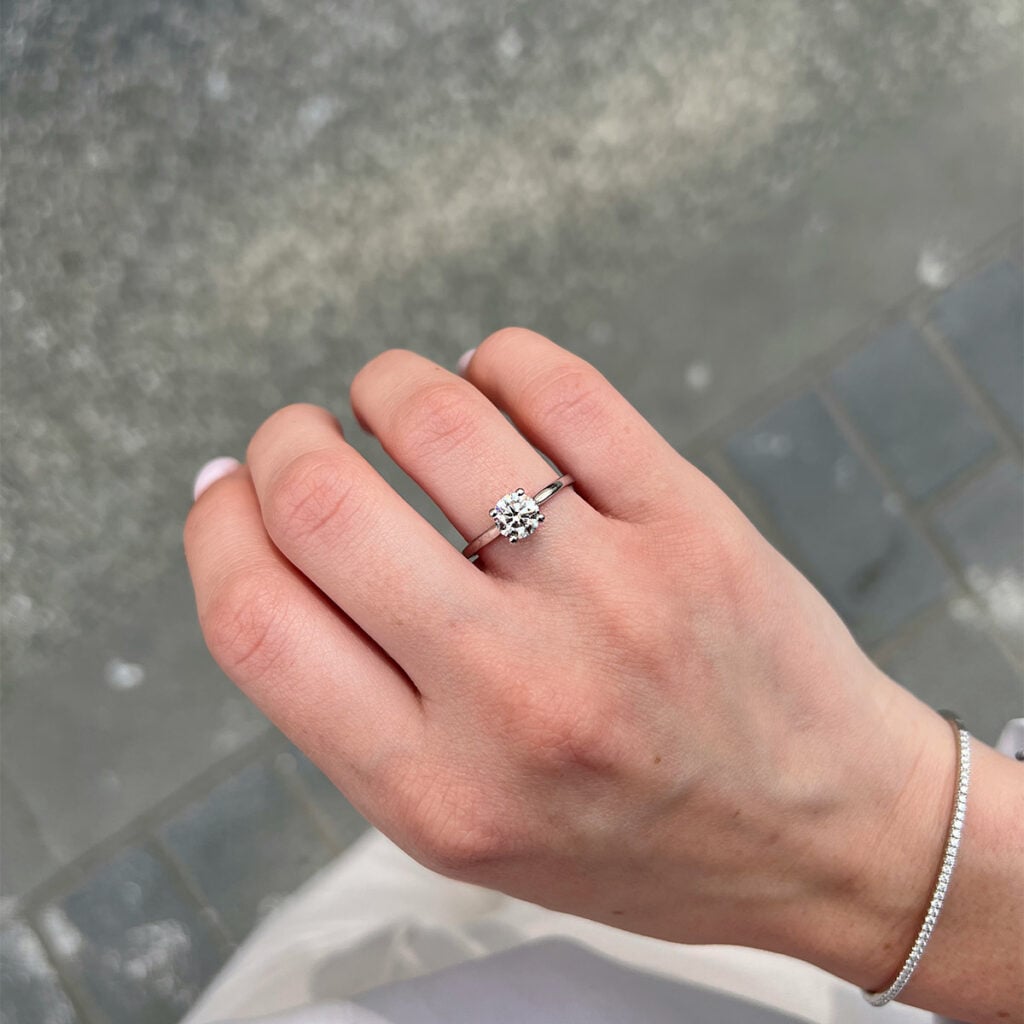
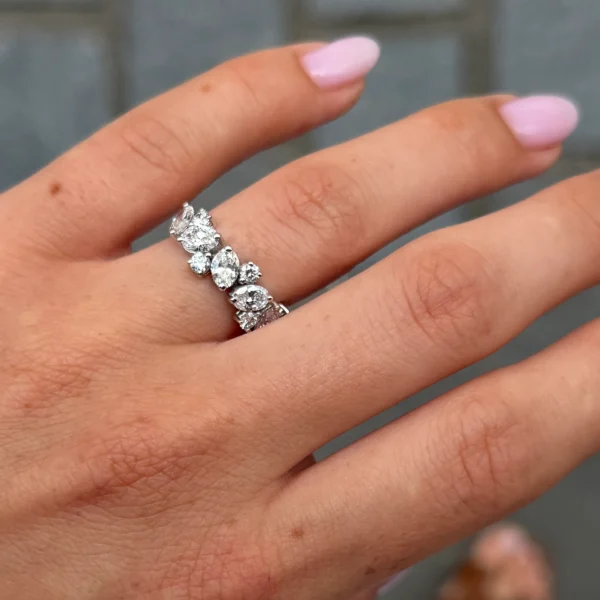
These are international wholesale observations, not Belgian consumer-sales statistics. Nevertheless, they reinforce a useful principle for buyers: two diamonds of the same weight and nominal shape can look very different on the hand. Length-to-width ratio, symmetry, facet arrangement and setting design all influence a ring’s presence.
Begin with our guide to understanding diamond quality, then compare different engagement-ring styles. When assessing an oval, pear or elongated cushion diamond, we look beyond the grading report to the outline, light performance and balance on the finger.
The natural-diamond sector has adopted a new collective identity
On 22 September, JCK reported that the Natural Diamond Council had become The Diamond Collective. The organisation says it aims to support consumer confidence through clarity, transparency and facts while placing more emphasis on culture and creativity. Some observers have noted that removing “natural” from the organisation’s name may itself require additional explanation.
For a jeweller, the essential practice does not change: a diamond’s origin should be identified immediately and unambiguously. “Natural diamond” and “laboratory-grown diamond” are not interchangeable marketing descriptions. They are distinct categories with different origins, availability and market structures. Orogem provides further information about certified natural diamonds and the Verdissimi laboratory-grown diamond collection.
Our approach remains straightforward: clearly identified, correctly documented and personally selected. There is no single choice that is right for everyone. The decision depends on design, budget, desired dimensions and the importance a customer assigns to origin.
Ruby-sector news highlights why every coloured gemstone is individual
Rapaport reported on 27 September that Gemfields had recorded a substantial impairment on its interest in the Montepuez ruby mine. The company cited lower-than-expected recovery of premium-quality rubies. At the same time, it reported solid operations and good recovery of premium emeralds at the Kagem mine.
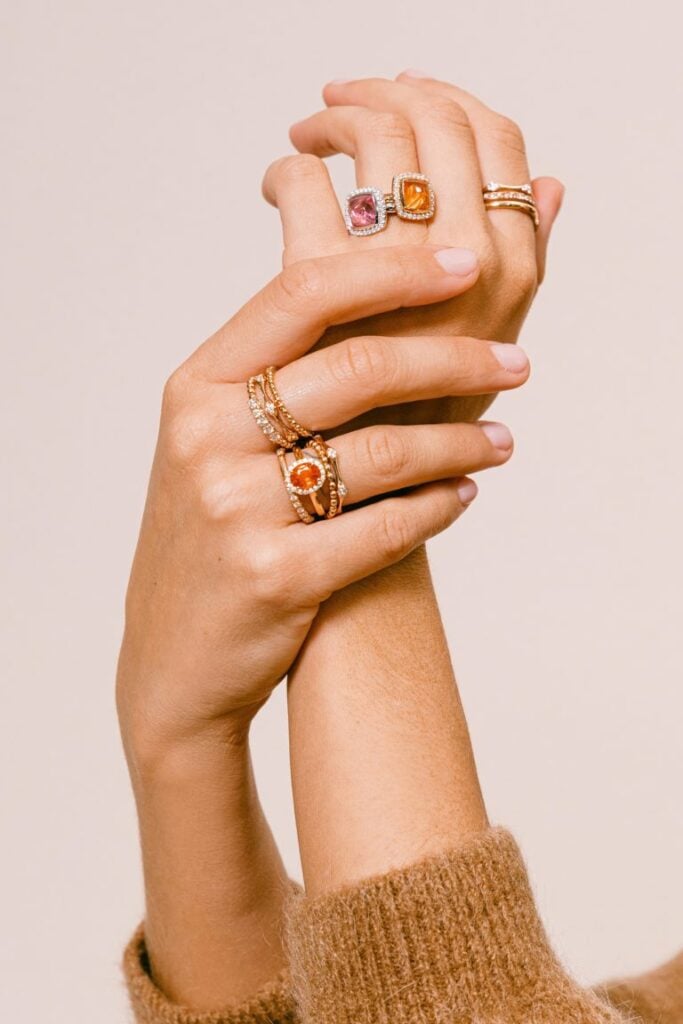
This company result is not a forecast for retail prices. It does, however, illustrate why the words “ruby” or “emerald” never tell the complete story. Hue, saturation, clarity, cut, treatment, origin and documentation together determine the character of a coloured gemstone. Explore our coloured gemstone rings and, during a personal selection, ask which characteristics have been documented for the individual stone.
Laboratory-grown diamonds are developing as a design category
A collaboration between Brilliant Earth and the Elizabeth Taylor archive, launched on 24 September and covered by JCK, uses laboratory-grown diamonds and a laboratory-grown blue sapphire in bold, glamorous designs. One campaign does not establish a market-wide trend. It does demonstrate how laboratory-grown jewelry can move beyond the simple promise of “more carats for the budget”.
Design, occasion and personality can become the starting point. A laboratory-grown diamond may be chosen for a striking engagement ring, an anniversary jewel or a piece intended for more frequent, expressive wear. See our laboratory-grown diamond engagement rings. The quality of the setting, the proportions and the complete design remain every bit as important as the stone’s weight.
Week 39 therefore confirms a broader direction: customers benefit most from clear categories and guidance that looks beyond labels. Would you like to compare natural and laboratory-grown diamonds, elongated shapes or individual coloured gemstones side by side? Arrange a personal consultation with Orogem Jewelers in Antwerp.