Nederlands
 Français
 Italiano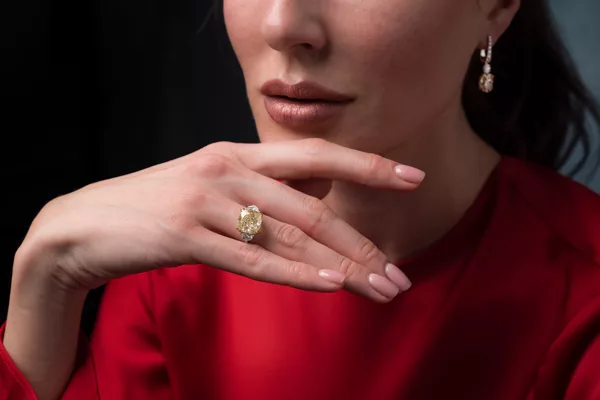


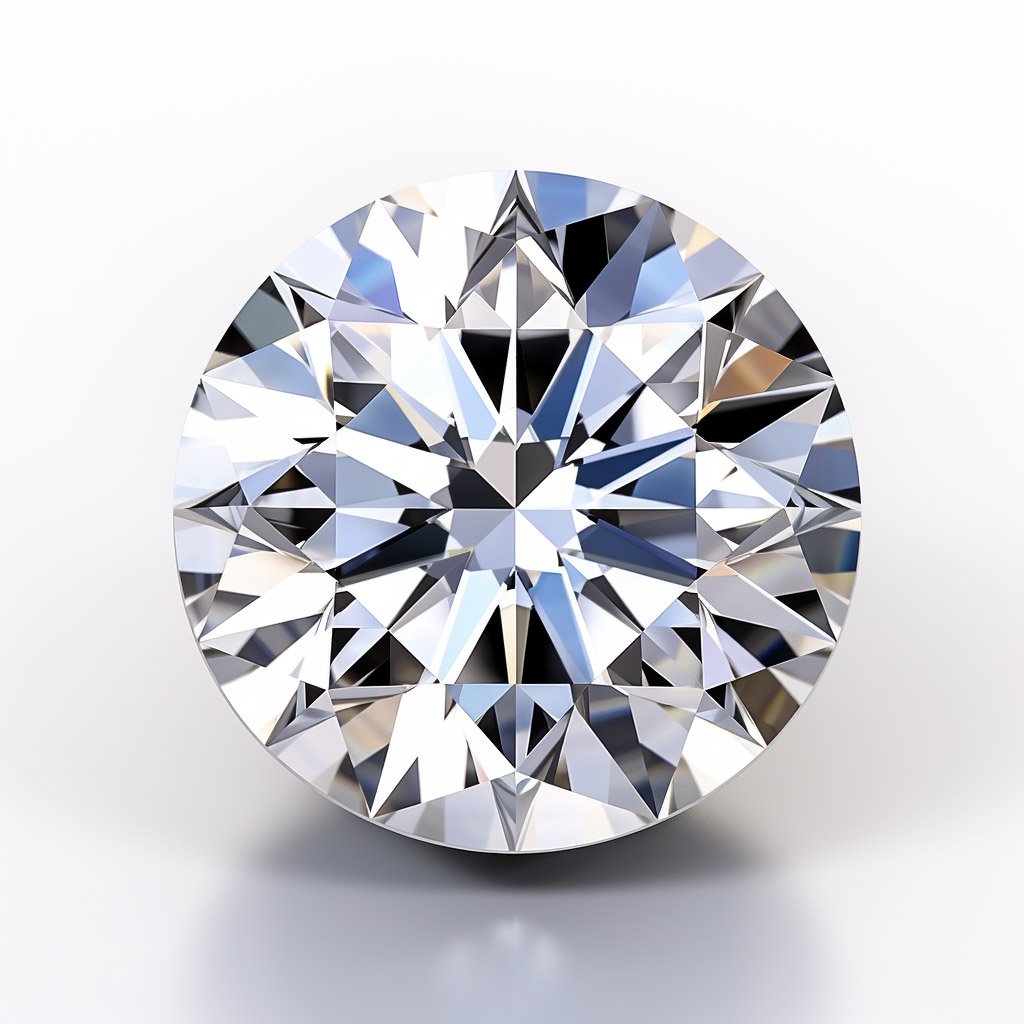


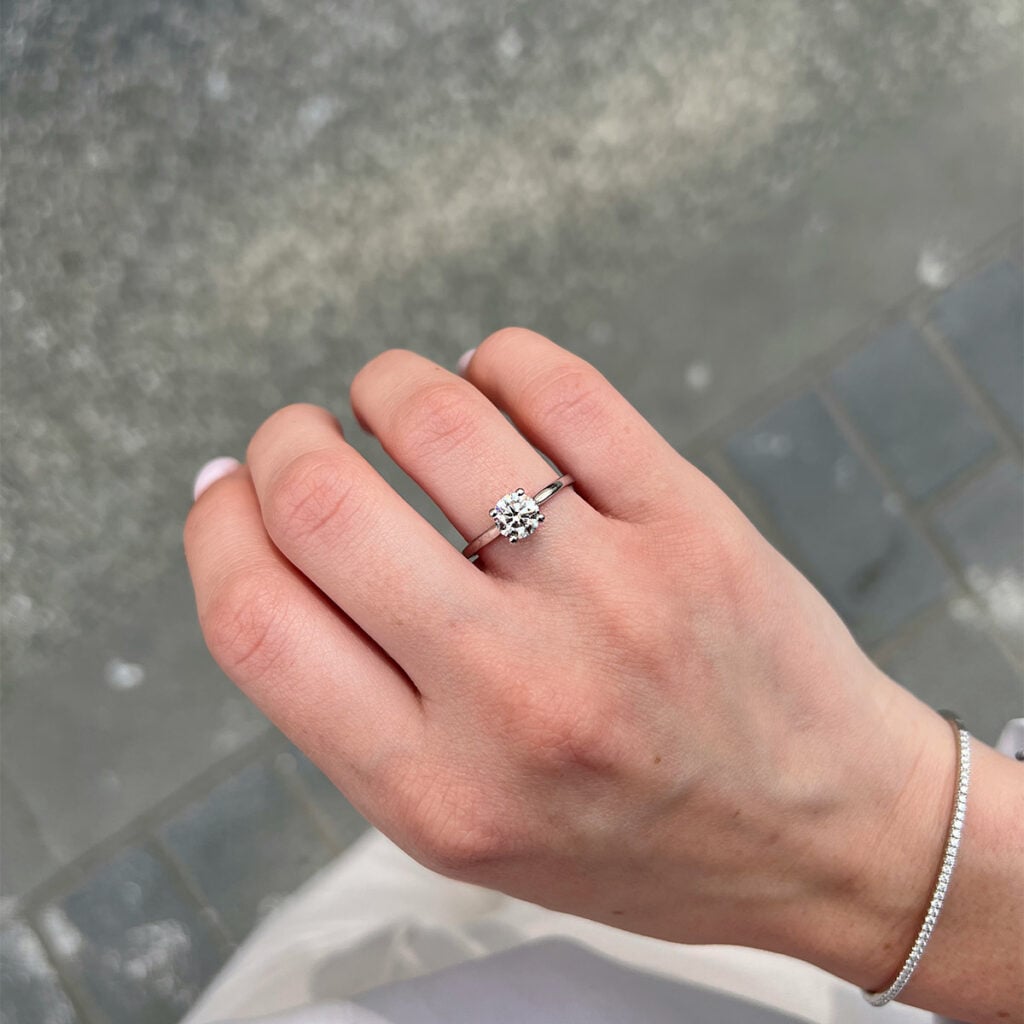
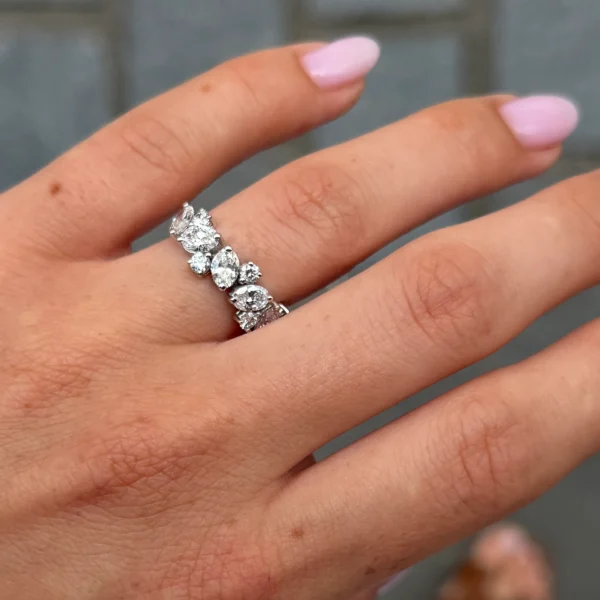
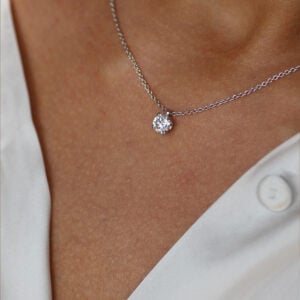
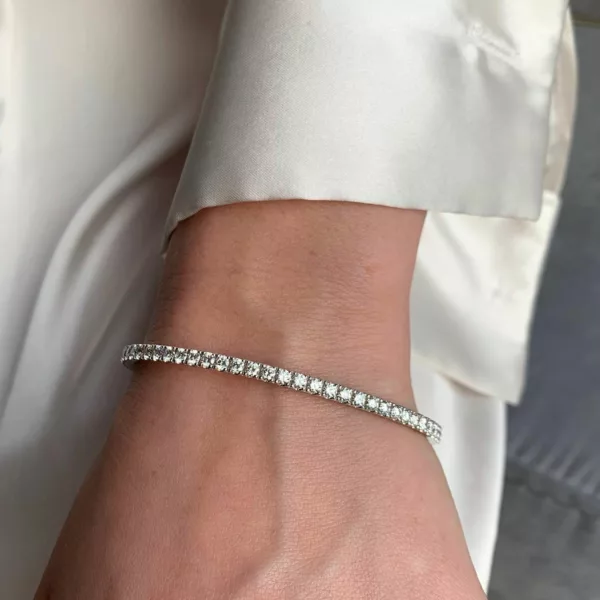
In week 40, from 28 September to 4 October 2026, jewelry news focused less on a single new cut and more on the materials, origins and design choices behind a jewel. Gold moved sharply, the Argyle Pink Diamonds brand and its final inventory changed hands, bridal coverage put custom work and diamond-set bands firmly in focus, and Paris Fashion Week showed how laboratory-grown diamonds can be part of a broader design story rather than the only story.
Gold moved sharply, but the long-term cost question remains
On 28 September, spot gold fell as much as 4% to $4,111 per ounce, its lowest level since 5 August. Reuters linked the move to rising US Treasury yields and expectations of further interest-rate increases. The important point for jewelry buyers is not that finished rings suddenly become 4% cheaper. A jewel’s price also reflects the metal already purchased by the workshop, diamond or gemstone cost, craftsmanship, setting and VAT. The movement does, however, underline why quotations for custom pieces cannot remain open indefinitely when precious-metal prices are volatile.
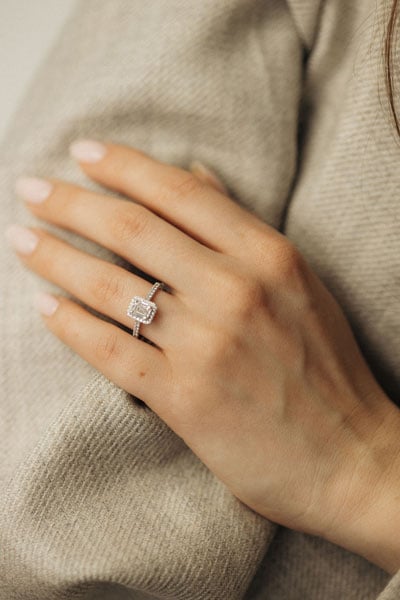
For a customer choosing an engagement ring, the practical comparison is between complete designs. An 18K ring with a fine but structurally sound band may use less metal than a heavier sculptural model, while platinum behaves differently in production and wear. At Orogem, the discussion starts with the design, finger size and daily use, not with trying to predict tomorrow’s gold market. Browse our engagement rings in Antwerp to compare different proportions and metals. Source: Reuters, 28 September 2026.
Argyle pink diamonds enter a new chapter
Rio Tinto announced on 1 October that ownership of the Argyle Pink Diamonds brand had transferred to British jeweller Boodles. The agreement includes the last remaining Argyle pink-diamond inventory, associated trademarks and digital assets. The Argyle mine in Western Australia closed in 2020, so this is not a restart of production. It is a change in how a finite, documented group of stones will be presented and released.
This matters because colour alone is not enough to describe a rare natural diamond. Origin, grading, intensity, distribution of colour and documentation all shape the story. Customers should be cautious with broad phrases such as “pink diamond” when the report and provenance are not specified. For Orogem, the useful customer-facing lesson is simple: ask what is verified, read the laboratory report and compare the actual appearance of the stone. The same approach applies to yellow, brown and other fancy-colour diamonds. Source: Rio Tinto, 1 October 2026.
Bridal jewelry is becoming a complete design project
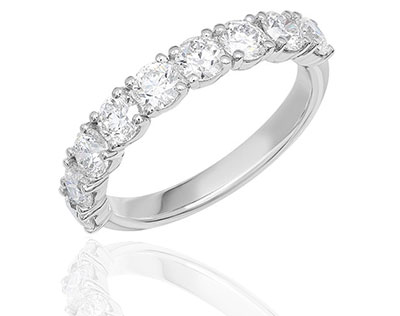
Rapaport’s October bridal issue, announced on 30 September, highlights custom sales, growing interest in diamond-set wedding bands, antique and vintage engagement rings, and alternatives to conventional bridal design. This is verified editorial focus, not Belgian sales data. Even so, the themes reflect the questions we increasingly hear at the counter: how will the wedding band sit next to the engagement ring, can an heirloom stone be reset, and can a familiar solitaire be made more personal?
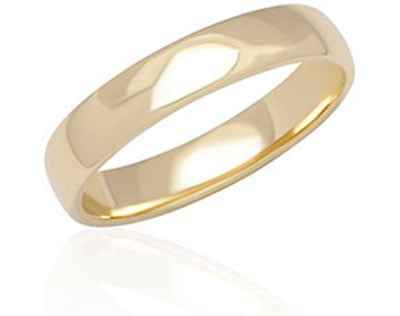
The customer-facing implication is to consider the engagement ring and future wedding band together. A low basket, wide halo or protruding setting may require a shaped band; a higher setting can allow a straight band to sit flush. Antique-inspired cuts and mixed-shape bands can add character without making a ring difficult to wear. Orogem can also make adjustments through custom design. Start with our diamonds ready to ship, or compare them with our lab-grown diamond engagement rings. Source: Rapaport, 30 September 2026.
Laboratory-grown diamonds are moving into a design-led conversation
At Paris Fashion Week, Swarovski presented a broad universe including crystal statement pieces, fine jewelry set with laboratory-grown diamonds and saturated colour combinations. Vogue’s report described large proportions, layered strands, feathers, bows and strong colour. The presentation itself is verified; treating maximalism as a wider consumer trend remains an interpretation rather than sales evidence.
For buyers, the useful point is that a laboratory-grown diamond need not be sold only as “more carats for less.” Cut, setting, metal, comfort and the overall composition still determine whether the finished jewel works. Larger stones can make proportion errors more obvious, so basket height, band width and stone ratio deserve attention. Orogem’s lab-grown diamond jewelry can be compared by design as well as by report. Every laboratory-grown centre stone should be identified clearly, and its independent report should travel with the jewel. Source: Vogue, 30 September 2026.
What to take from week 40
The common thread is better specification. Precious-metal volatility makes the complete quotation important. Rare coloured diamonds require precise provenance and grading. Bridal buyers benefit from planning the two-ring set rather than choosing each ring in isolation. Laboratory-grown diamonds work best when design quality receives as much attention as carat weight. Visit Orogem in Antwerp to compare stones and settings in person, or begin with our online selection of engagement rings.