Nederlands
 Français
 Italiano




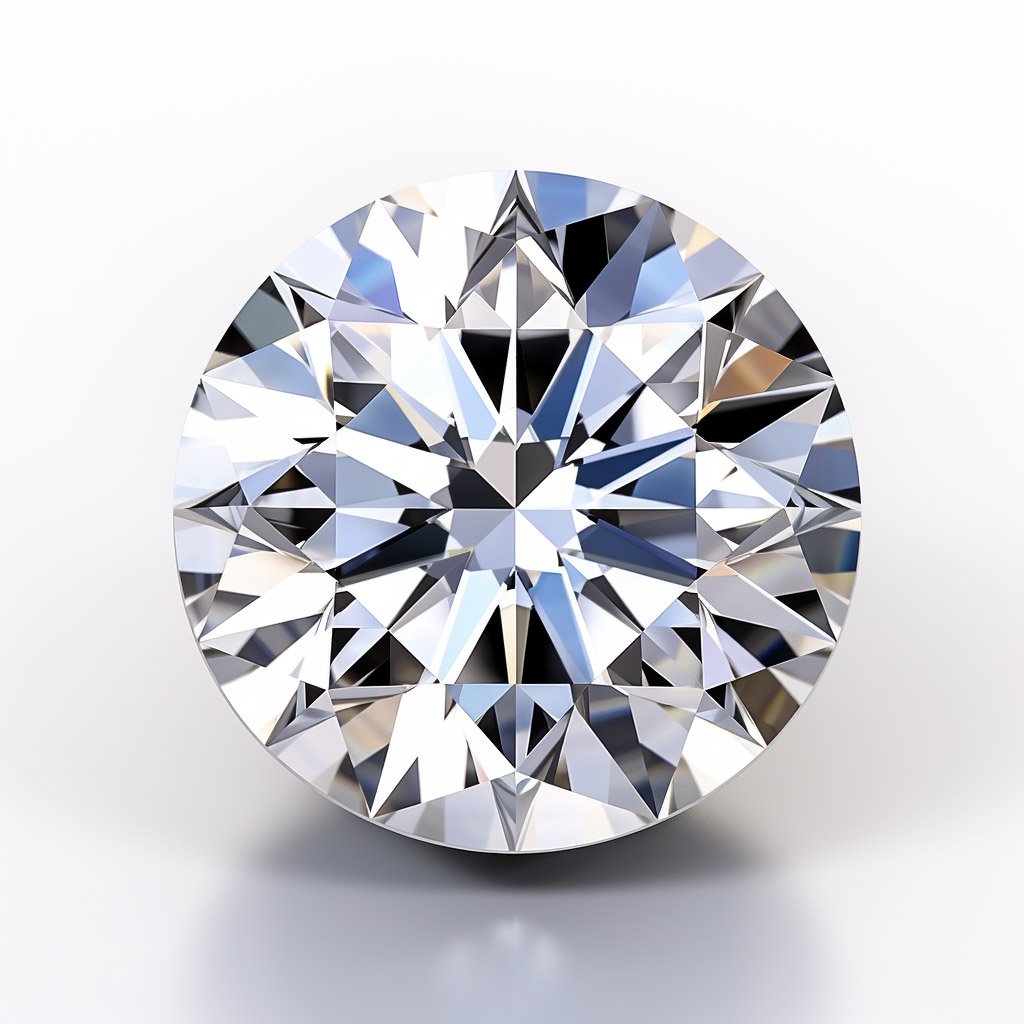





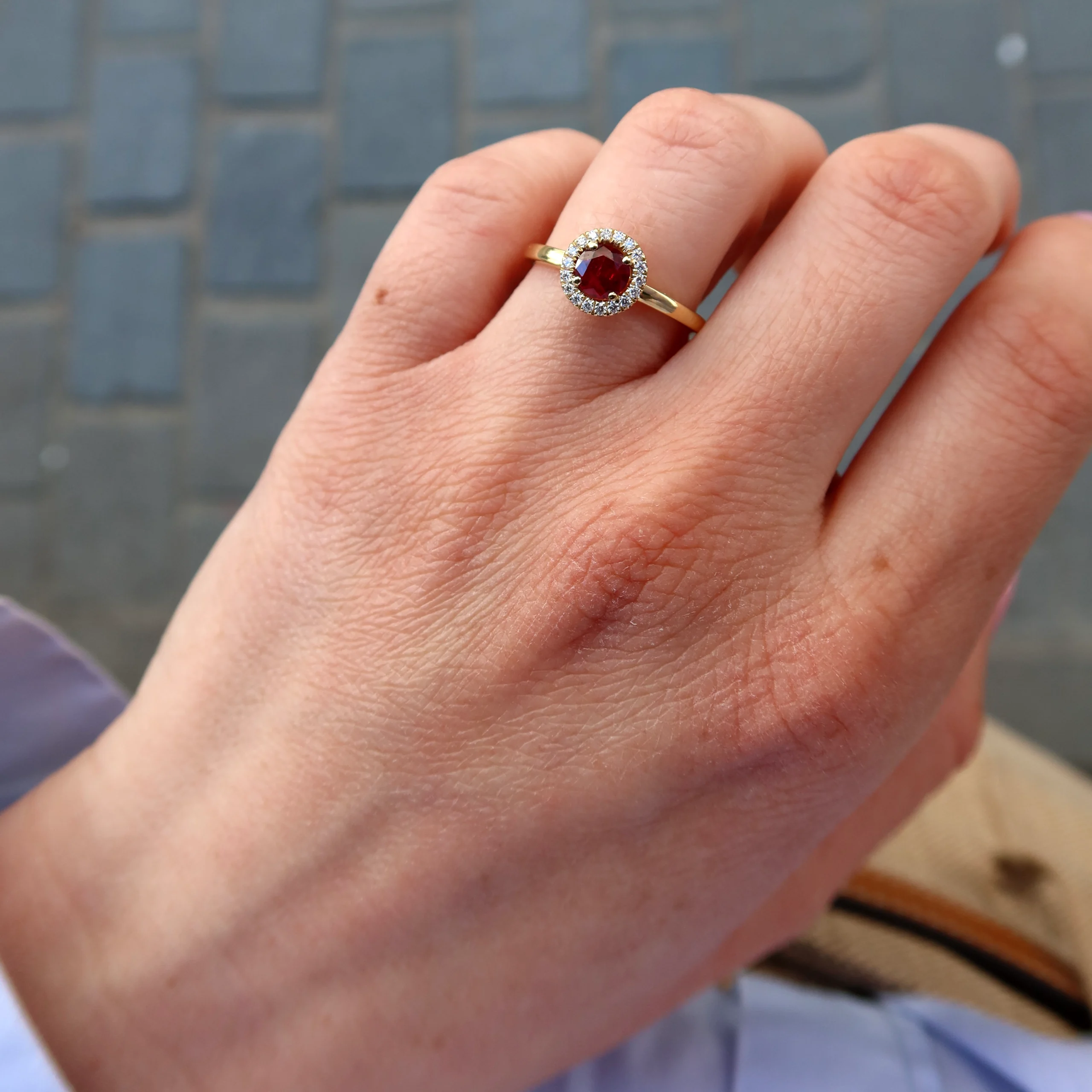
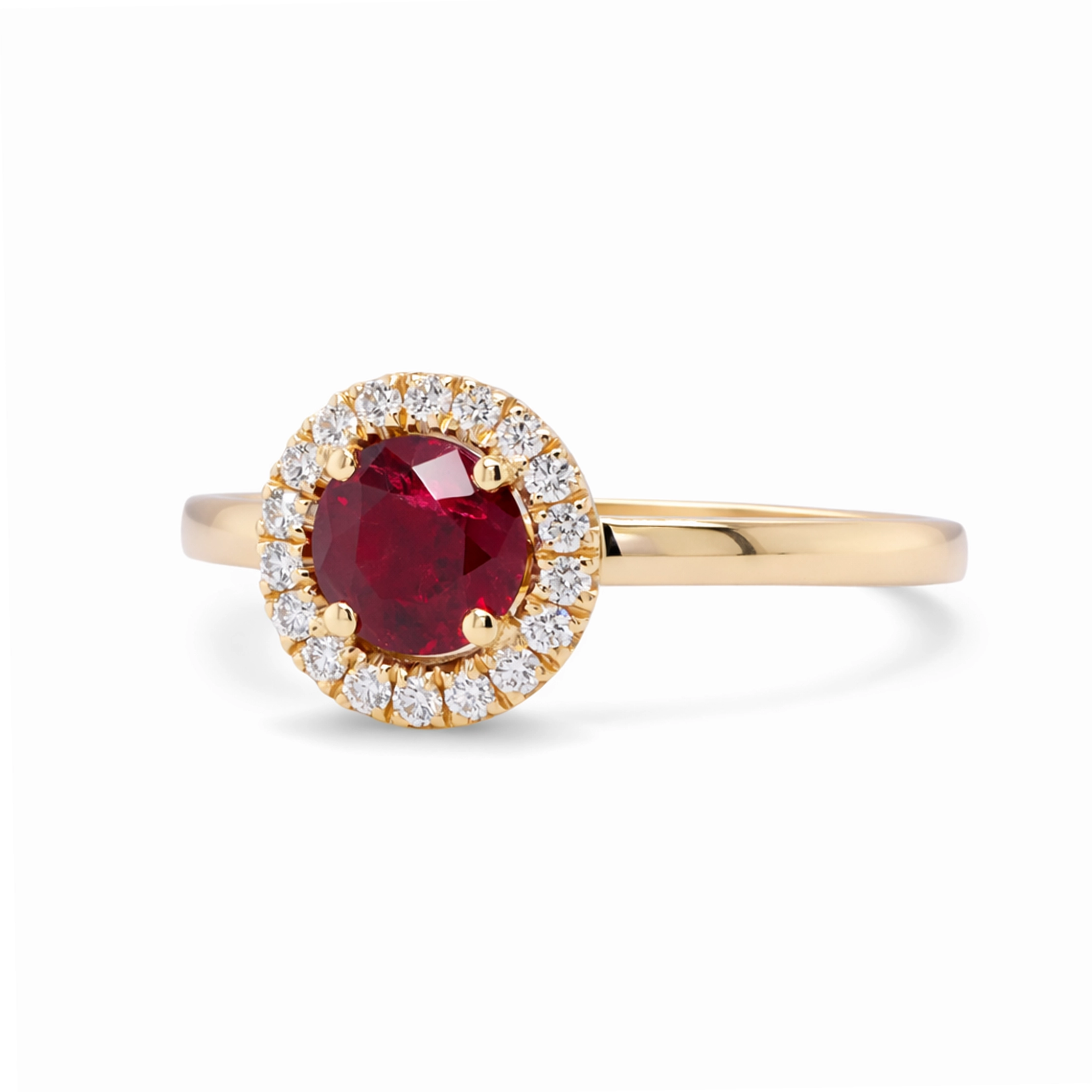


A 0.51 carat round ruby, set within a halo of 0.10 carat of diamonds, in 18K yellow gold.
A ruby is a sapphire that got enough chromium. They are the same mineral — corundum, aluminium oxide — and the same hardness, 9 on the Mohs scale, second only to diamond. What separates them is a threshold of saturation, and the trade has never fully agreed where it lies. Below it a stone is a pink sapphire; above it, the same species with more chromium in the lattice becomes a ruby and its price changes category.
Chromium does something else worth knowing. It absorbs blue and green light and re-emits red, which means a fine ruby does not merely reflect red — it fluoresces, glowing faintly under sunlight and under the ultraviolet in daylight. It is why rubies can appear to burn from within in a way garnets and spinels, which look similar at a glance, never quite do.
Yellow gold is the traditional mount and the reasoning is the same as with emerald: red and yellow are neighbours on the spectrum, so warm metal continues the colour instead of competing with it. The colourless halo interrupts that continuity at the girdle and draws the outline.
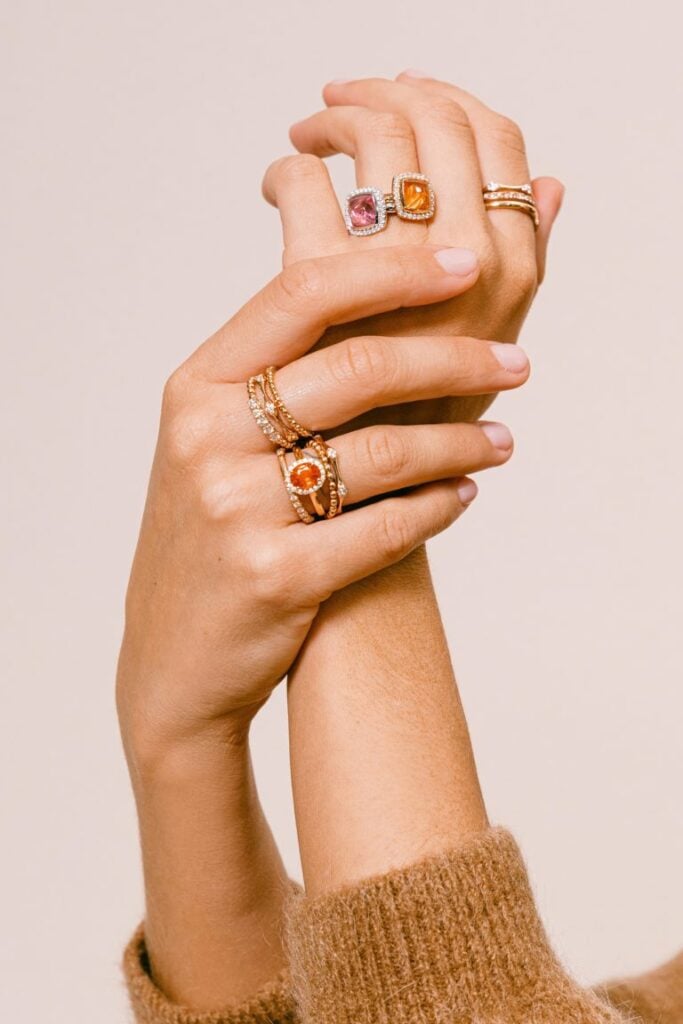
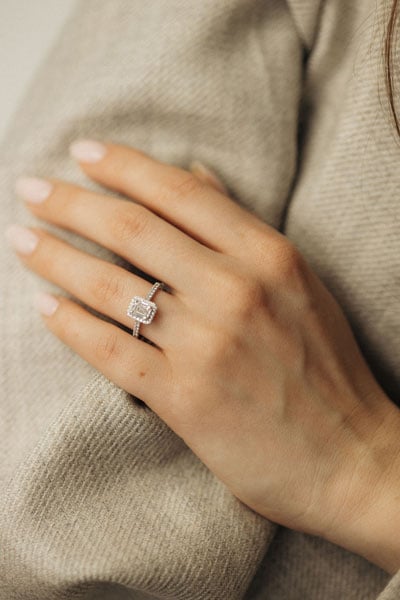
The other end of the same chromium scale: 0.52 ct pink sapphire halo ring.