Nederlands
 Français
 Italiano






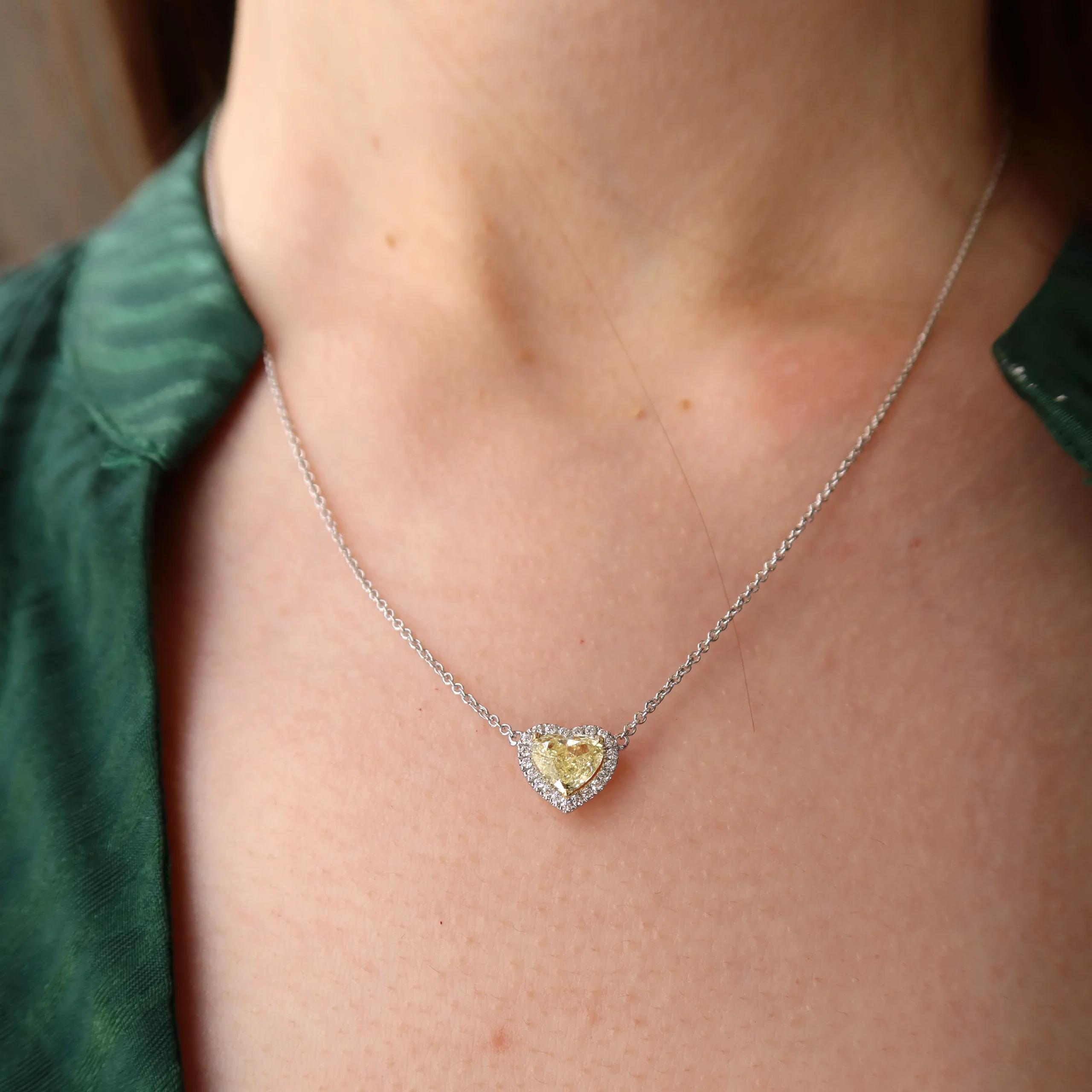
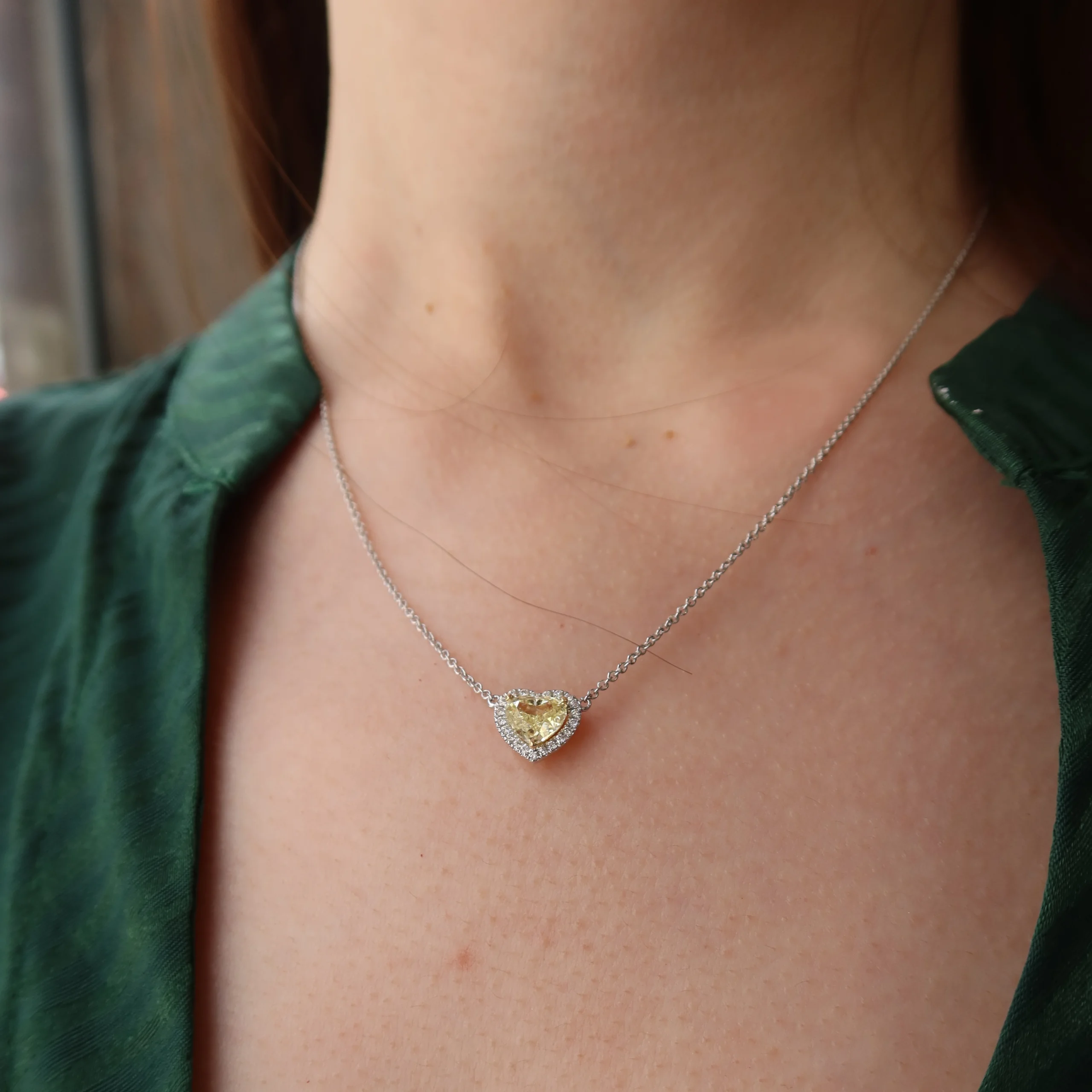
1.00 ct heart cut Fancy Yellow diamond with halo, GIA, in 18K white and yellow gold
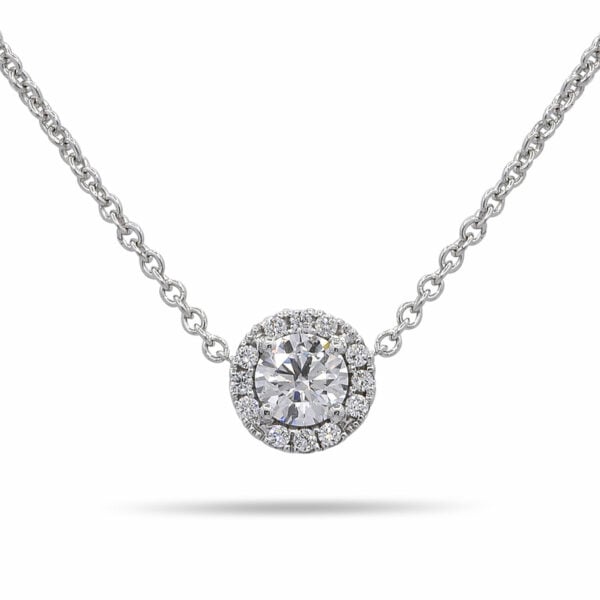
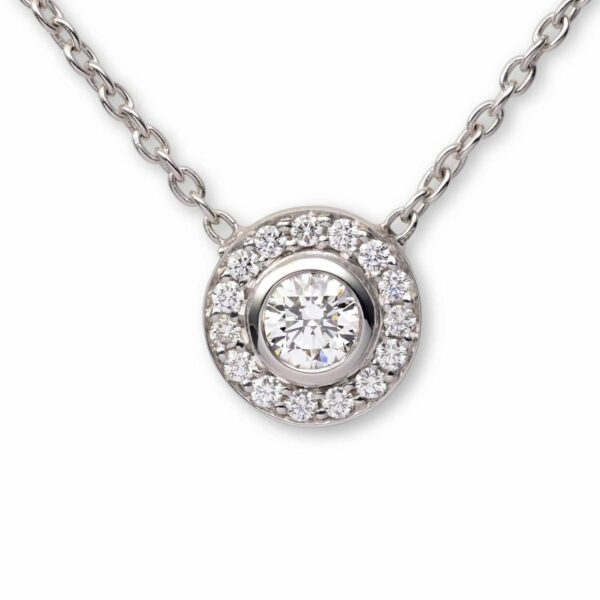
A natural Fancy Yellow diamond of 1.00 carat in heart shape, GIA certified, clarity SI1, surrounded by a halo of white brilliants totalling 0.09 ct, colour D–F, clarity VS. Pendant in 18K white and yellow gold. GIA report 2507373659. One of it.
Why the white halo makes the yellow stone yellower
The eye does not measure colour absolutely but against whatever sits beside it. The same yellow diamond reads paler among warm tones and deeper against white — that is not a photographer’s trick but a property of perception itself.
A halo of colourless brilliants therefore places a rim of maximum neutrality around the stone, and it is exactly there that the colour gains. The contrast does what a colour grade higher would do, without your paying for it. It is why fancy colours are so often set with a white halo, and why the same stone surrounded by yellow metal alone would read weaker.
It is also the explanation for the two metals here: white gold where the white stones sit, so the halo stays colourless and does its work, and yellow gold at the heart itself.
The heart shape, and why it is so difficult
Of all the cuts, the heart is the least forgiving. A round brilliant is mathematically designed and looks the same in every orientation; a heart has an axis of symmetry that is either there or not. Two lobes must match in height and width, the cleft between them must sit centred and cut cleanly, and the point must stand exactly opposite that cleft. A few hundredths out of true and the eye catches it at once — even someone who knows nothing about diamond can see when a heart is wrong.
With it goes the cutter having to sacrifice weight to reach the shape. That is why a well cut heart comes out dearer per carat than a round stone, and why in this shape you look at the outline first and the grades second.
In a yellow diamond something is added: as in a pear, the colour concentrates towards the point. A heart therefore reads deepest at the bottom and lightest at the top — a gradient a round stone does not have.
SI1 on a necklace
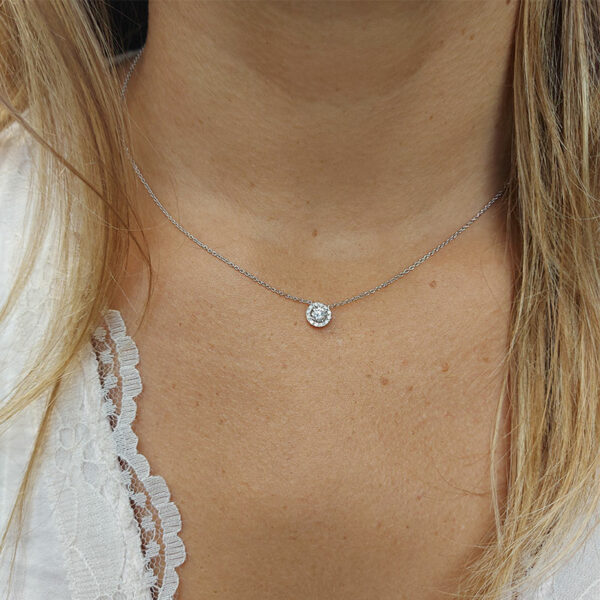
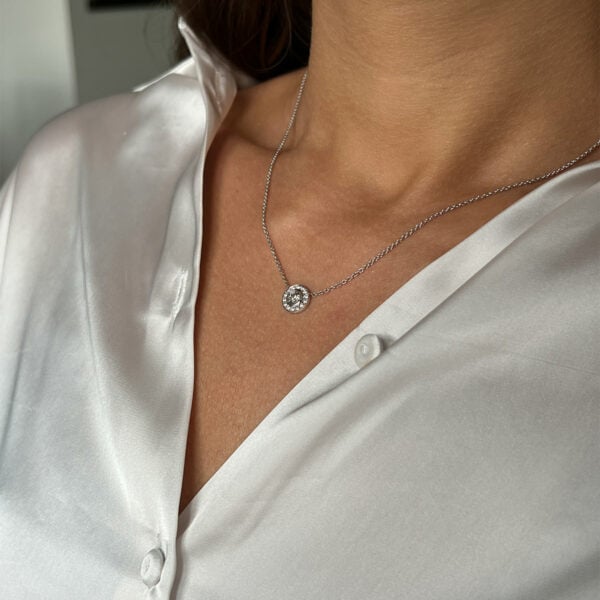
SI1 means inclusions are clearly visible under ten times magnification. Two things make that weigh less here than it sounds. In a saturated yellow stone the colour is itself a veil: inclusions stand out against it less sharply than in a colourless diamond. And a pendant is worn sixty centimetres from somebody else’s eyes, not thirty as a ring is.
In fancy colours, colour sets the value and clarity follows. Insisting on VS in a yellow diamond is paying for something this stone, at this distance, barely shows.
Natural, which here is the whole point
A natural diamond, not laboratory-grown and not colour-treated. In fancy colours that distinction is the core of the value — yellow colour can be manufactured, and whether it was is stated on the report. GIA report 2507373659 states the origin of colour explicitly.
A one-off from Antwerp
Hand-set in our workshop. Insured delivery free throughout Europe. Once this one is gone it does not come back.