Nederlands
 Français
 Italiano




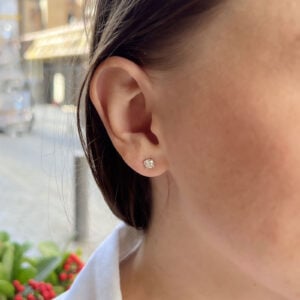
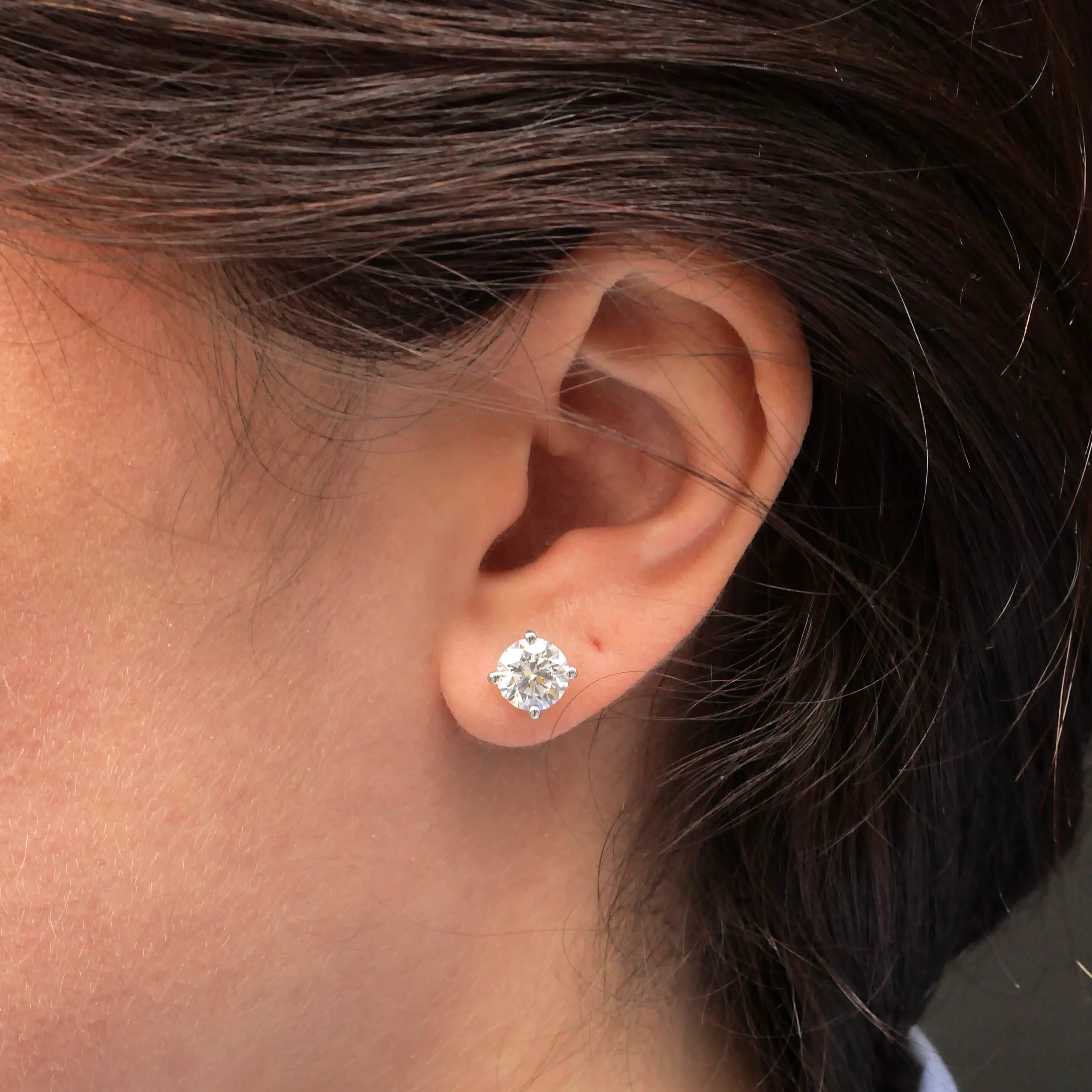
3.18 carat total weight, D VVS2, 18K white gold
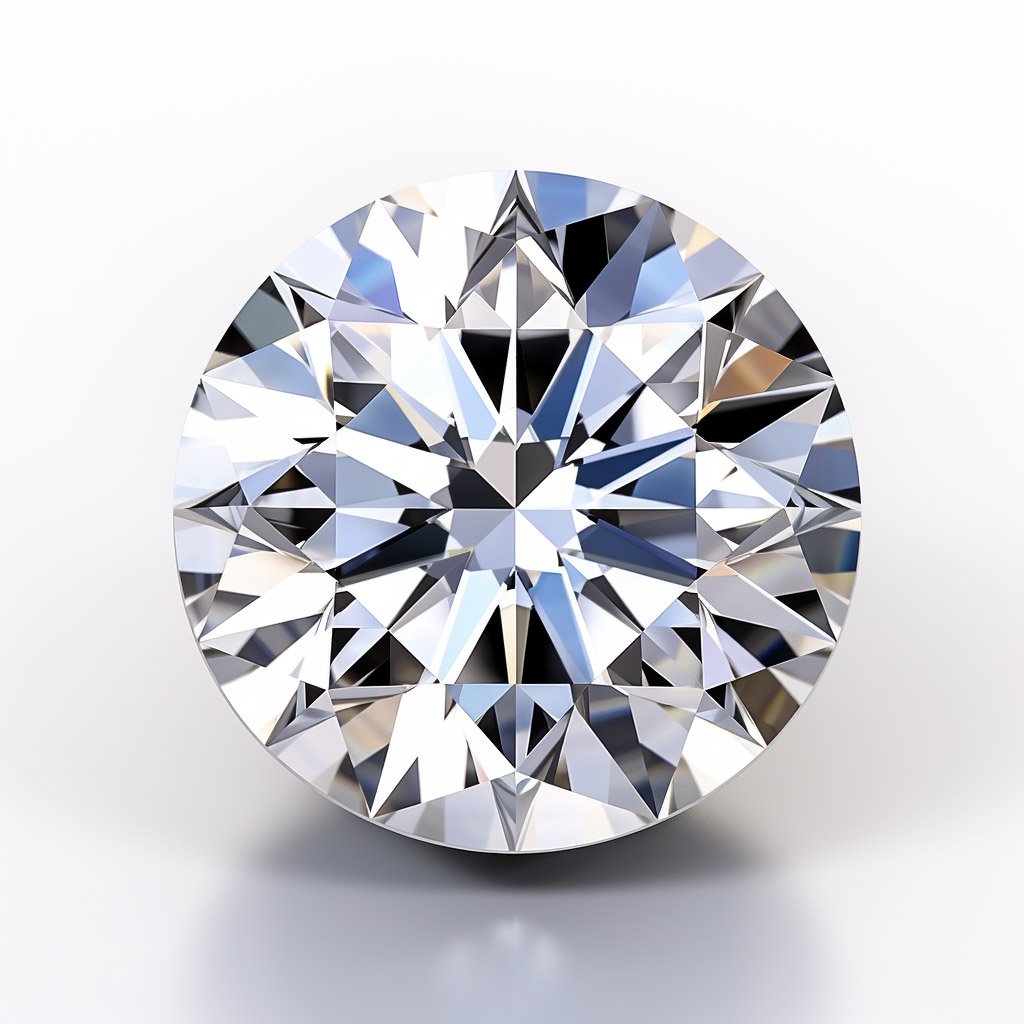
A pair of IGI-certified lab-grown brilliants totalling 3.18 carat, colour D, clarity VVS2, in four-claw studs in 18K white gold. That is 1.59 ct per ear — a stone of about 7.6 millimetres. Report LG813609662.
At this size the back matters as much as the stone
This is the part nobody mentions when studs get large, and it is the thing you will actually notice after a week.
A diamond this size has weight, and an earlobe is soft tissue. Left on a standard butterfly back, a heavy stud slowly rotates forward and downward over the course of a day — the post tilts, the stone ends up facing the floor instead of outward, and from the front you see the edge of the setting rather than the table. People blame the piercing; it is almost always the back.
Two things fix it. A larger back spreads the load over more of the lobe and stops the post pivoting — the simplest and most effective change. And a screw back adds security, which at this value is worth having in its own right: a butterfly that works loose on a train seat is a very expensive afternoon.
We fit these with a back suited to the weight as standard, and we will change it to a screw fitting on request before it ships. If you already own large studs that sit forward, this is almost certainly why.
Why the jump from two carats costs more than it shows
Carat is weight and weight is volume, so the visible return flattens as the stones get bigger. The comparison inside our own range makes it concrete.
Our 2.18 ct tw pair is 1.09 ct per ear, about 6.7 mm. This pair is 1.59 ct per ear, about 7.6 mm. Forty-six per cent more weight buys roughly thirteen per cent more width.
That is not an argument against it — thirteen per cent at this scale is clearly visible, and 7.6 mm is firmly in statement territory. It is an argument for knowing what you are paying for, and for not assuming the next step up the range will look proportionally bigger. It will not.
D VVS2 at 7.6 millimetres
Colour D is the top of the scale. VVS2 means a grader can find the inclusion from the crown under ten times magnification, but needs trained eyes and good light to do it.
At this size those grades start to be worth something beyond the paperwork. A 7.6 mm stone has a table large enough that an SI inclusion could be findable by eye, and enough spread that body colour has somewhere to show — neither is true at half a carat. Of the whole range, this is the size at which paying for the top grades stops being purely a certificate decision.
What still matters most, as on every pair, is that the two stones match each other: two diamonds either side of a face are compared constantly, and a mismatch is visible to anyone.
Specification
- Stones: two lab-grown diamonds, brilliant cut, 3.18 ct total (1.59 ct each, about 7.6 mm)
- Colour: D Clarity: VVS2
- Certificate: IGI LG813609662
- Setting: four-claw studs, 18K white gold
Lab grown, certified by IGI
The stones are diamond in every physical and chemical respect; they were grown rather than mined. Our lab-grown diamonds are always certified with an IGI report — we do not offer GIA-certified lab-grown diamonds.
The rest of the size range
Smaller: 1.40 ct tw D VVS2 and 2.18 ct tw D VVS1. Larger: 4.06 ct tw. The full range is under lab grown diamond earrings.
Buying in Antwerp
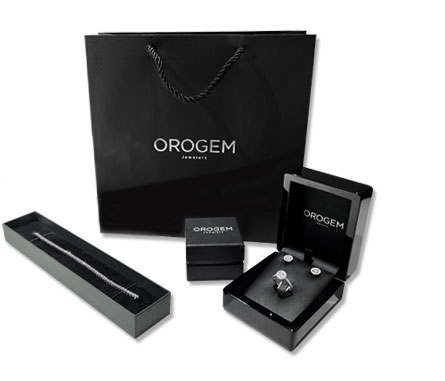
In stock in our workshop in the Antwerp diamond district. Sent insured, in a case, with the IGI report.