Nederlands
 Français
 Italiano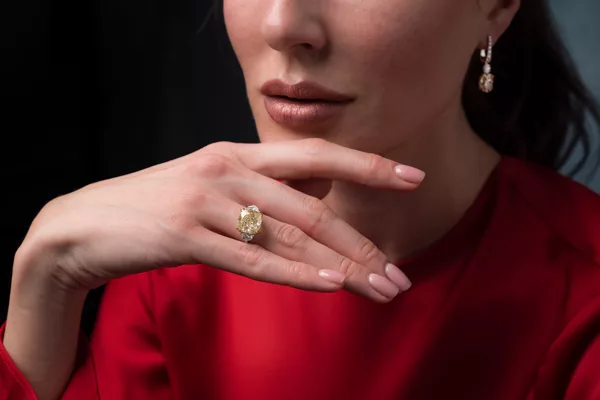




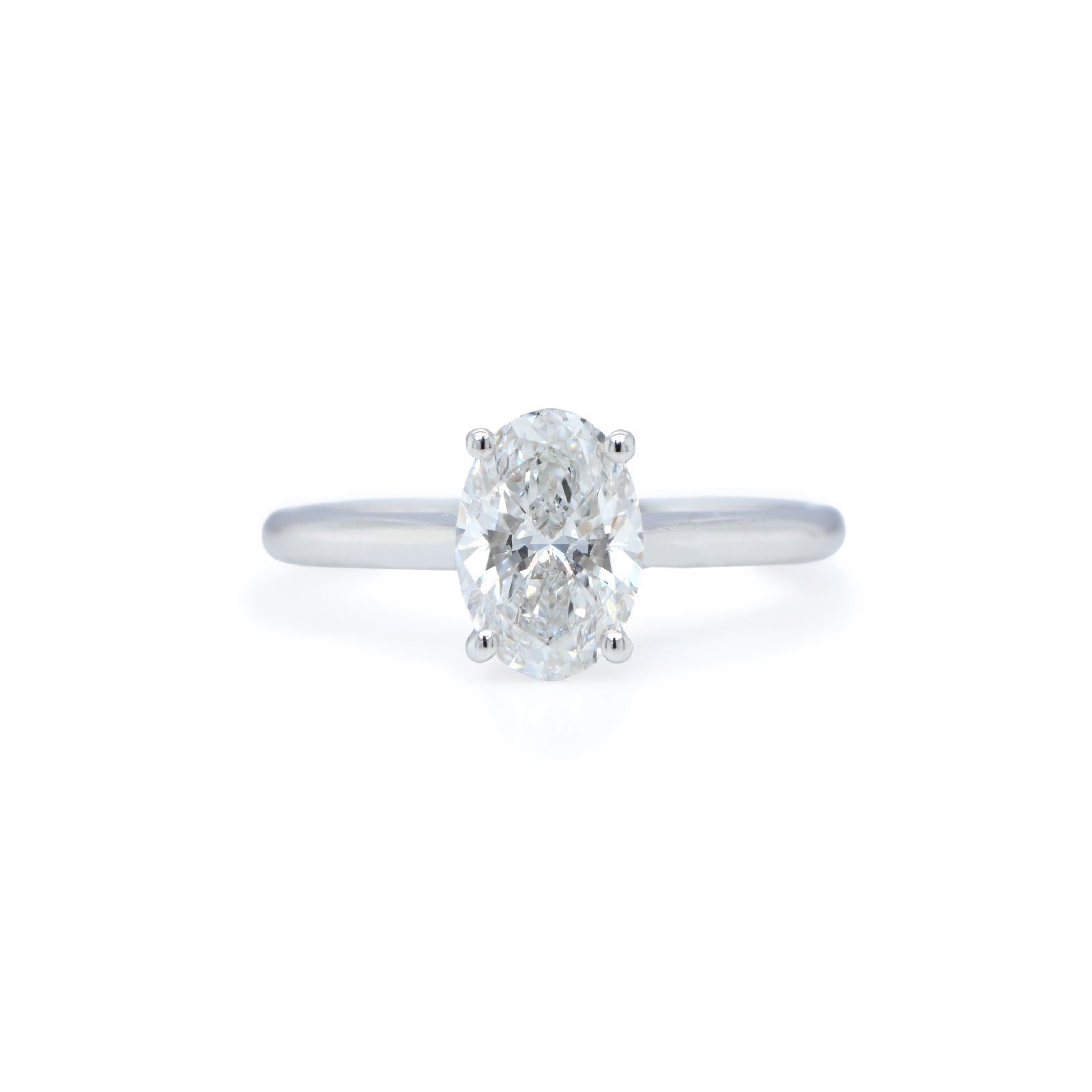
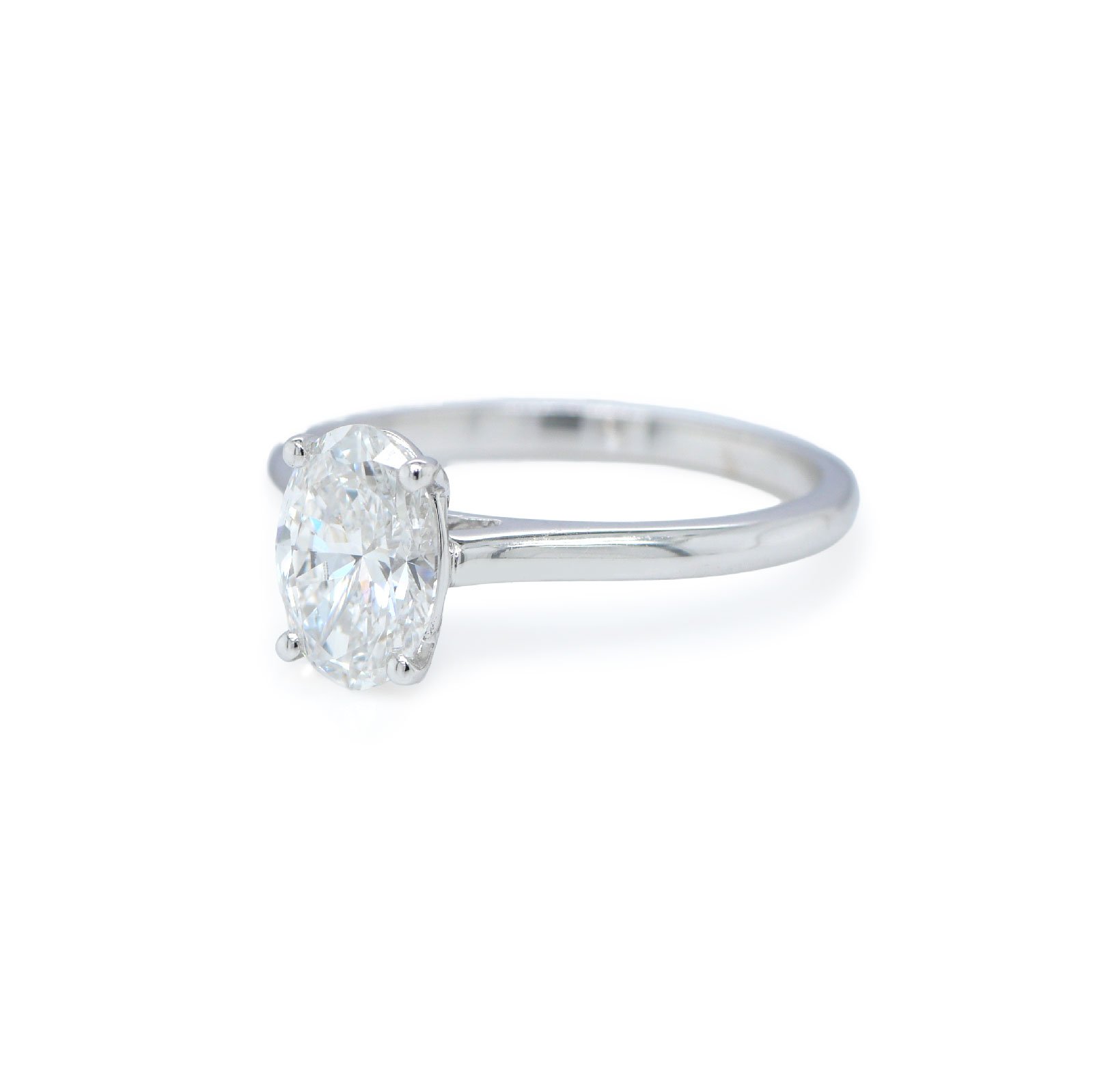
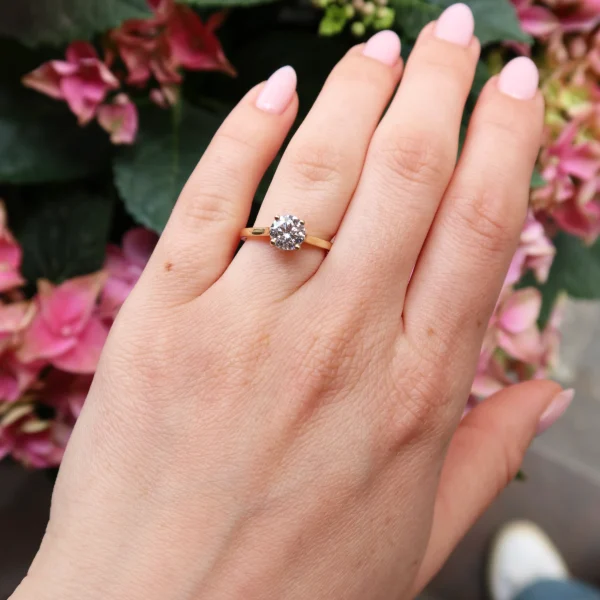
1.08 ct lab grown oval diamond solitaire, D VVS1, in 18K white gold
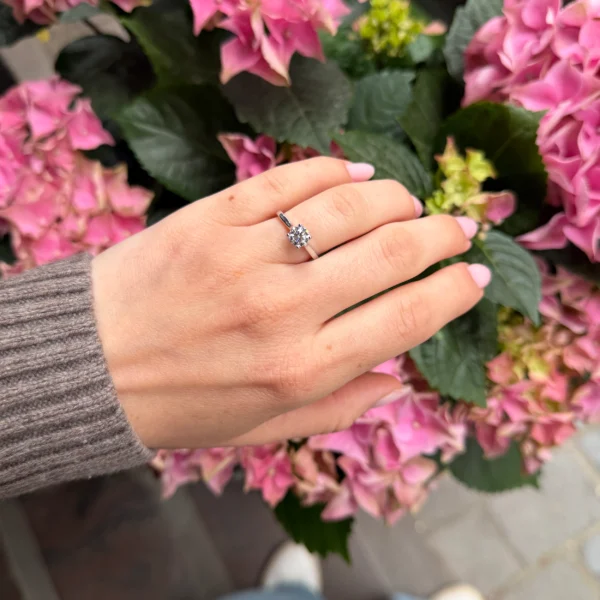
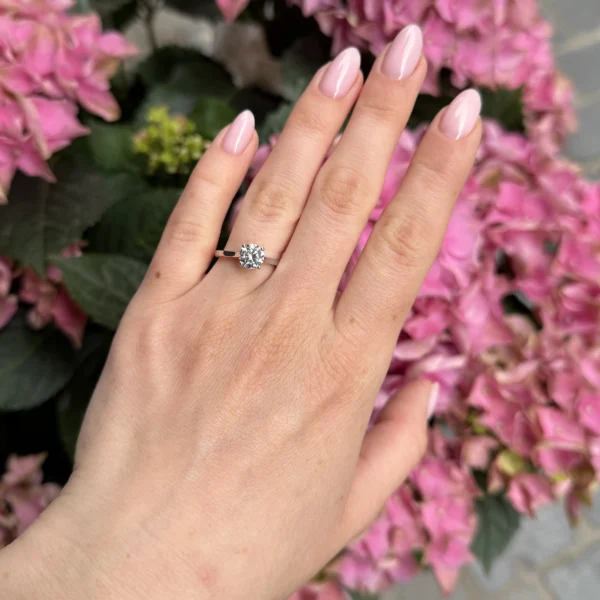
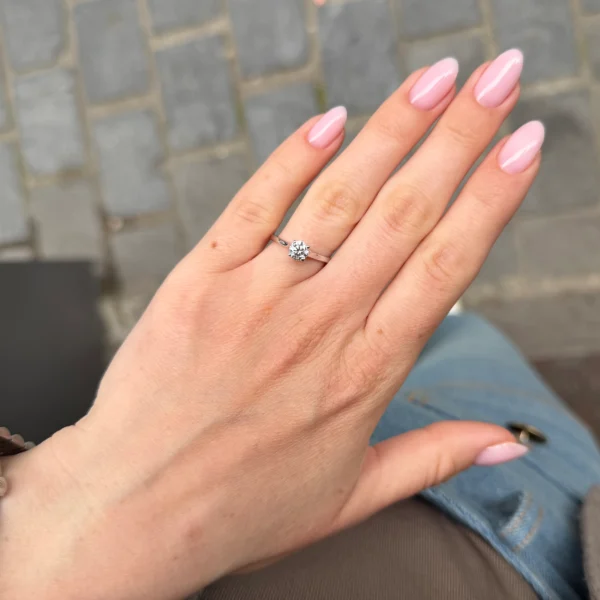
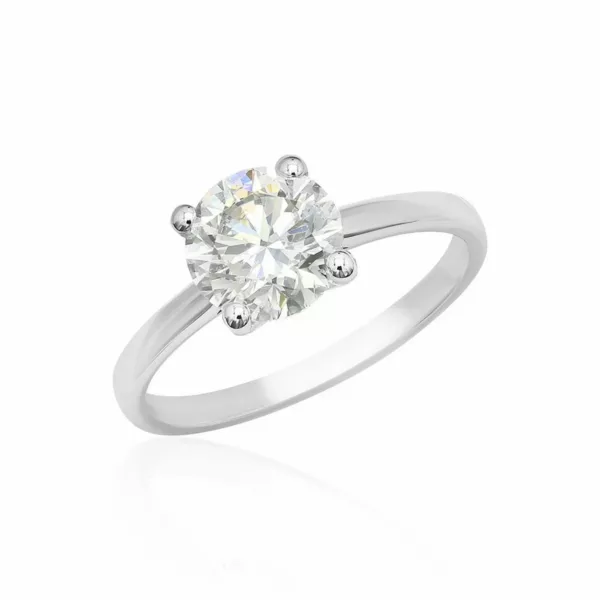
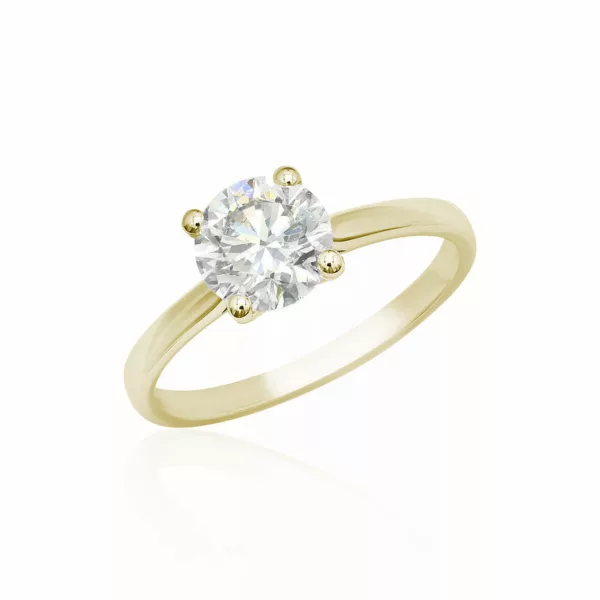
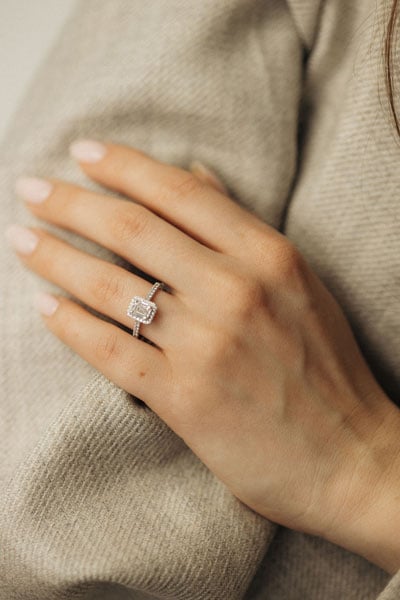
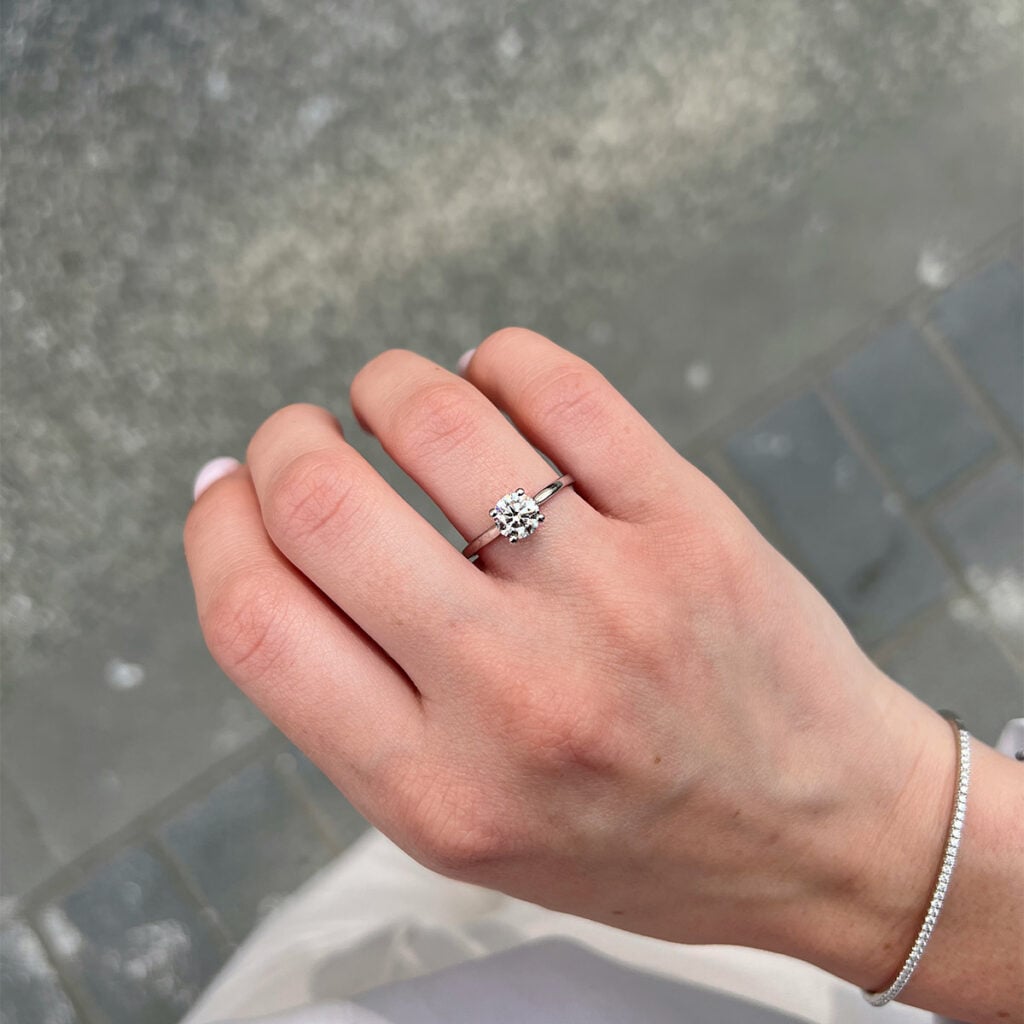
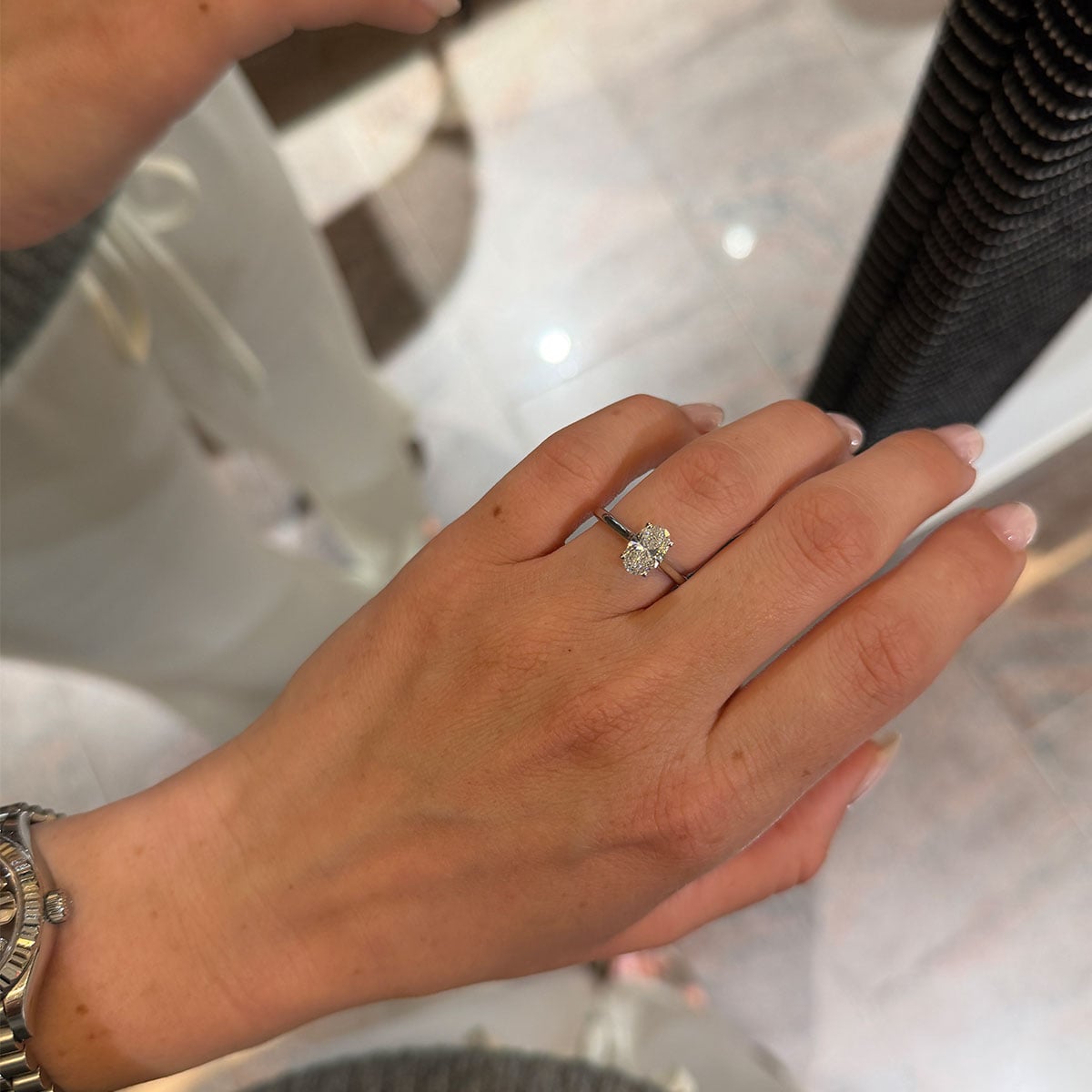
One laboratory-grown oval cut diamond of 1.08 carat, graded D in colour and VVS1 in clarity, held in four slim claws on a plain tapered band in 18K white gold. No halo, no pavé, no side stones. IGI report LG806604993. There is one of it.
The stone is lab grown
In the title, and again here. D VVS1 is the top of the colour scale and one step below the top of the clarity scale — a specification that, in a mined oval of this weight, costs a multiple of this ring. It is reachable because the stone was grown rather than mined.
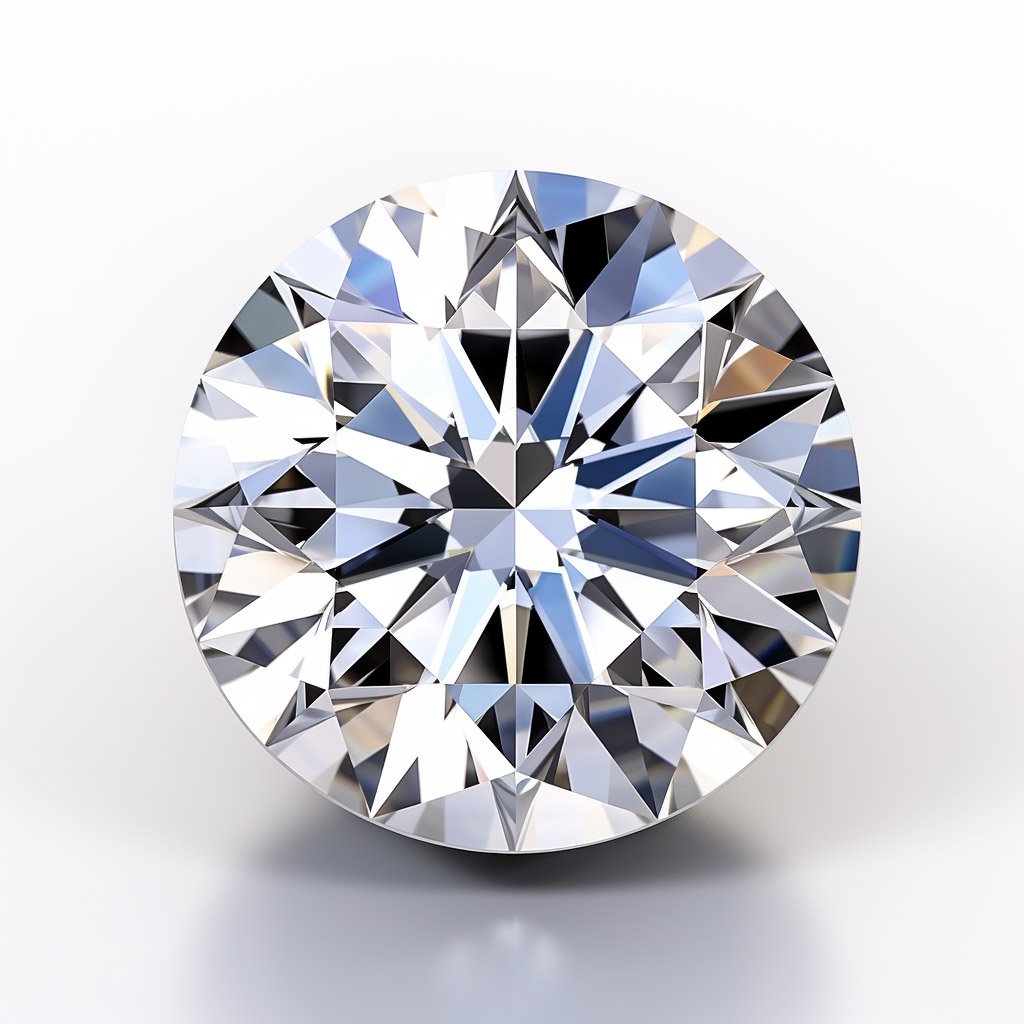
Real diamond: crystallised carbon, hardness 10, graded by IGI on the same scales as mined stones.
1.08 carat, and why that number matters less than it used to
In mined diamond the one-carat line is a real price step. Demand clusters on round numbers, so a 1.00 ct stone costs disproportionately more than a 0.95 ct that looks identical on a hand. Cutters know it and deliberately sacrifice weight to land above the line.
In laboratory material that premium has largely gone, because supply is not competing for the same scarce rough. The practical consequence: you get a stone comfortably over the carat without paying the toll the mined market charges for that number. If “more than a carat” counts for you — and quietly it counts for a lot of people — this is the cheapest honest way to have it.
Plain band or pavé? We hold both at this weight
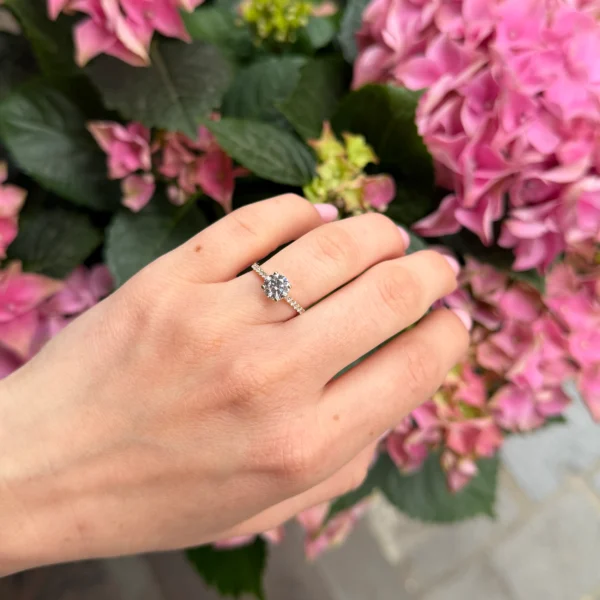
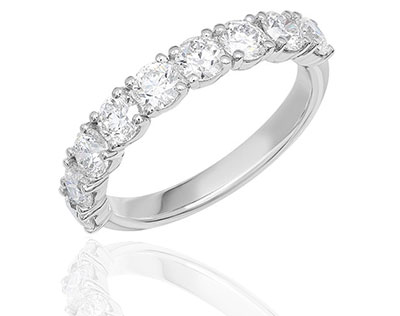
The 1.00 ct oval with a pavé band carries the same colour and clarity in the same metal. Worth knowing exactly what the difference buys.
The pavé version adds 0.12 ct of small diamonds along the shoulders. That makes the ring read as a continuous line rather than a stone on a wire, and at one carat that continuity gives it more presence than weight alone would.
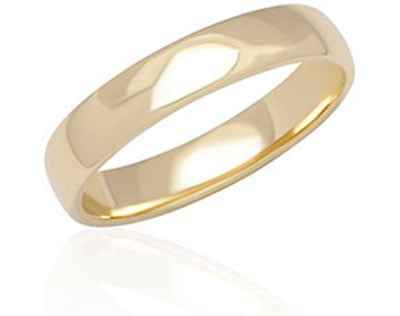
This version puts everything into the stone and nothing into the band — and at 1.08 ct the stone here is the heavier of the two as well. Practically that buys you two things: it resizes freely in both directions, where a pavé band can only move within limits, and there are no bead-set stones to be checked each year. Of the two, this is the low-maintenance ring.
Neither is the better ring. One is about how it looks, the other about how it lives.
The oval
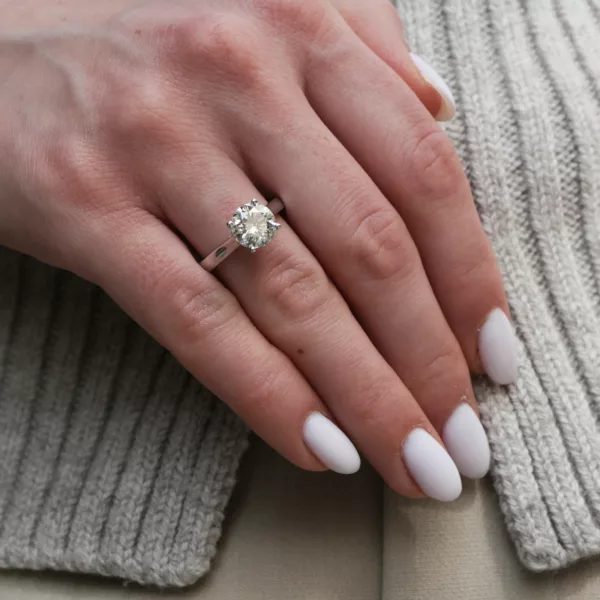
Carat is weight, not width. An oval spreads more across the top than a round of the same weight and lengthens the finger, so this one reads larger than 1.08 suggests.
Every oval has a bow-tie, the dark band across the centre where the facets return no light. Studio lighting is built to fill it in, so come and turn the ring under ordinary light — that is the one thing no photograph shows you honestly.
The certificate
IGI report LG806604993. The LG prefix is IGI’s designation for laboratory-grown; the report states the origin explicitly and grades colour, clarity, cut quality and carat on the same scales used for mined diamond. The number is laser-inscribed on the girdle.
A one-off
Hand-set in our Antwerp workshop. Resizing is included. Insured delivery is free throughout Europe.
Related — the lab grown oval range, 1.00 to 3.08 ct
Every oval we hold, by weight, so you can compare without hunting: